Field: Technology
Your blood pressure could be dangerous even when your numbers look normal
Published | Technical Staff
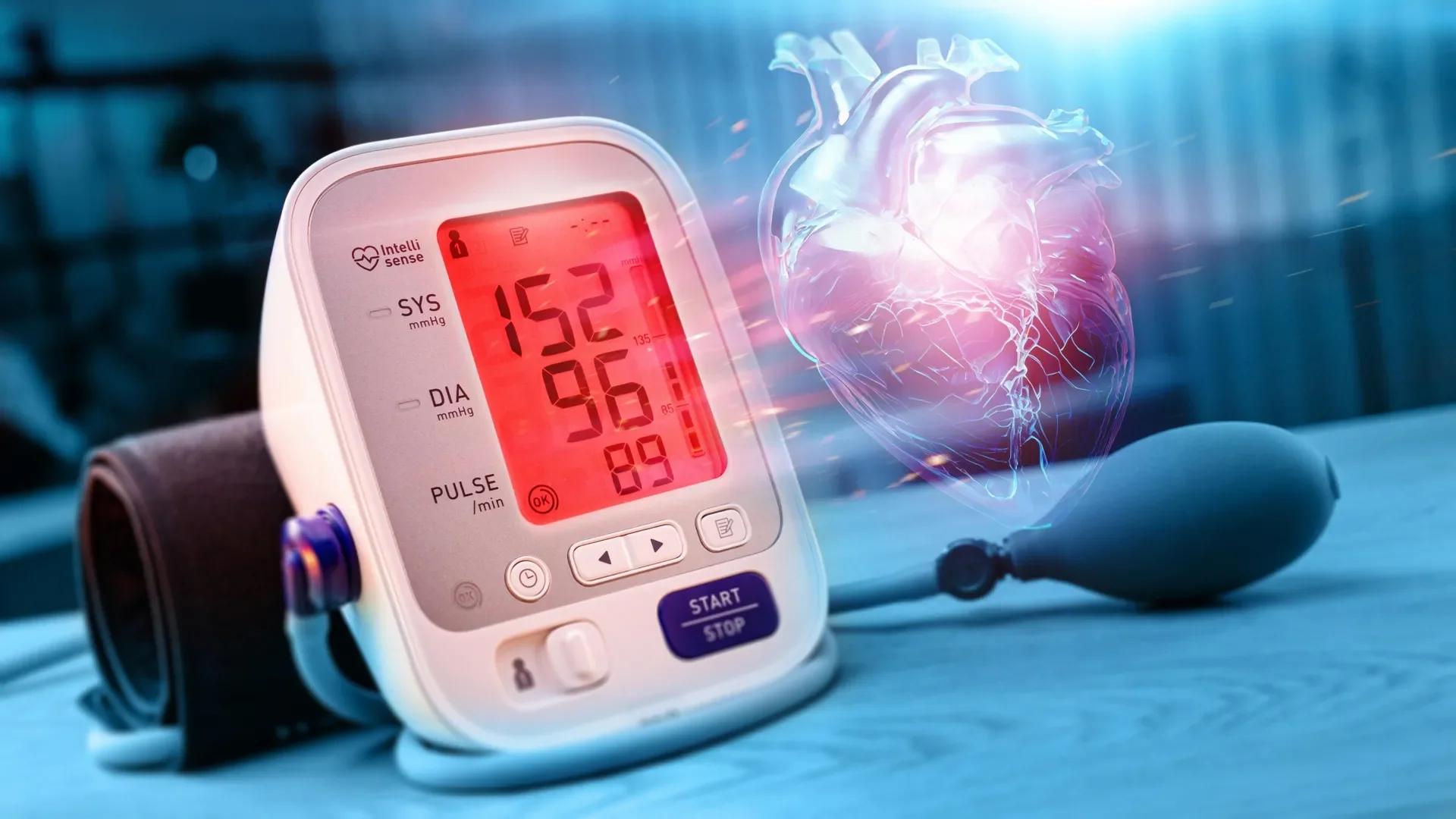
Visualization
The intricate interplay of neuronal signaling and cardiovascular function has long been the focus of neuroscientific and medical research. Recent advancements have illuminated a previously underappreciated aspect of this complex system: the brain's capacity to regulate blood pressure beyond mere average numerical readings. Researchers from the University of Virginia School of Medicine have uncovered a small but critical population of adrenergic neurons nestled within the brainstem that governs blood pressure stability, revealing a novel mechanism that might be pivotal in understanding cardiovascular health.
Traditionally, clinicians evaluate blood pressure through average systolic (top number) and diastolic (bottom number) readings, leaving the inherent fluctuations that can occur throughout the day relatively unexplored. The new revelations suggest that these fluctuations—sharp and rapid oscillations—can contribute to cardiovascular risks independently, even when patients exhibit average readings that fall within accepted norm ranges. By employing advanced neurophysiological techniques, the researchers demonstrated that the seemingly minor loss of these specialized nerve cells leads to substantial blood pressure instability, marking a pivotal shift in how we conceptualize hypertension. "What we found is that a loss of just a few hundred nerve cells leads to unstable blood pressure even though the mean blood pressure was normal," elucidated Stephen Abbott, PhD, the lead investigator on the study, encapsulating the essence of their groundbreaking discovery.
This mechanism, tightly controlled by brainstem adrenergic neurons, indicates that maintaining blood pressure constancy is just as essential as controlling its average value. The team utilized advanced electrophysiological methodologies, combining in vivo imaging with sophisticated blood pressure monitoring, to delineate how perturbations in these neurons correlate with functional outcomes in blood pressure regulation. The findings were meticulously documented in the journal Circulation Research, warmly welcomed by the cardiology community as an indispensable contribution to the field.
Interestingly, the researchers noted the same adrenergic neurons appear compromised in patients suffering from multiple system atrophy, a progressive neurodegenerative disorder linked with Parkinson's disease. These patients often grapple with profound challenges in cardiovascular regulation. The researchers speculate that similar disruptions might underlie blood pressure irregularities across a broader spectrum of medical conditions—even in cases where standard blood pressure measurements appear stable. Further investigations, they propose, could harness this knowledge to design targeted interventions aimed at mitigating hazardous blood pressure fluctuations.
The framing of hypertension is evolving thanks to these findings, nudging the healthcare community towards a more nuanced comprehension of blood pressure management that emphasizes the stabilization of readings in real-time scenarios, instead of a sole focus on lowering numeric measures. Abbott’s team asserts, “It's not just about lowering the numbers - it's about keeping blood pressure stable from moment to moment”—an ethos that could redefine clinical protocols in cardiovascular care.
Funded by the National Institutes of Health under grant HL148004, the research sits at the intersection of neuroscience and cardiovascular health—a harmony actively supported by the nascent Paul and Diane Manning Institute of Biotechnology at UVA, dedicated to advancing the translational timeline from laboratory discoveries to patient treatments. By elucidating these mechanisms, the researchers illuminate a path forward toward novel therapies aimed at countering the deleterious effects of blood pressure variability.
As this investigation paves the way for future studies, it beckons a deeper exploration into how the connections between the central nervous system and cardiovascular system can inform treatment paradigms. The potential for illuminating a hidden source of cardiovascular risk and developing advanced preventive strategies stands to profoundly impact the future of both heart health and brain function, marking a transformative moment in the ongoing quest to enhance patient care and avert life-threatening cardiovascular events.