Field: Technology
Your blood could reveal inflammatory bowel disease 10 years before diagnosis
Published | Technical Staff
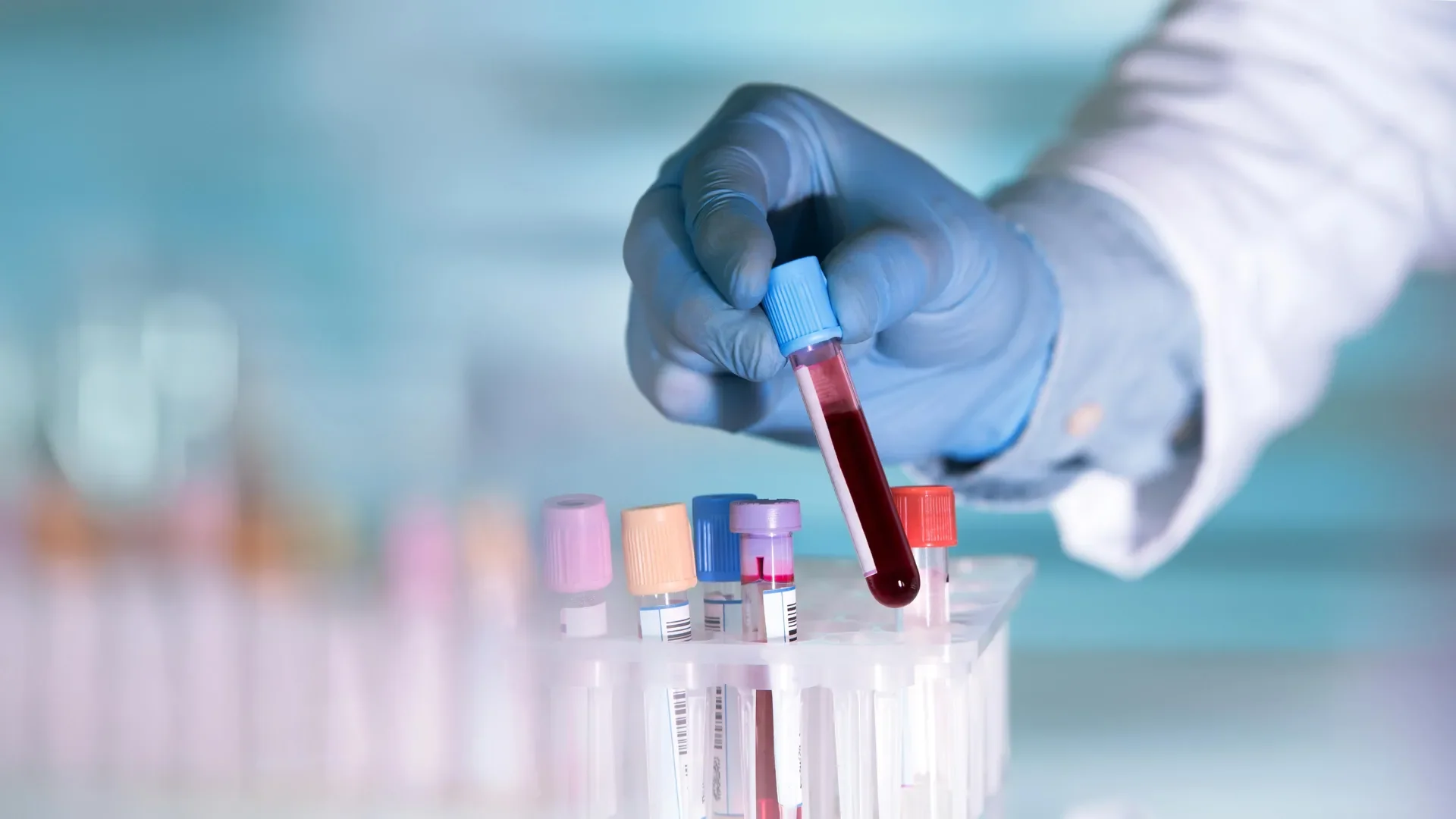
Visualization
In a groundbreaking study unveiled at UEG Week 2026, researchers have unveiled the intricate changes within the immune system that may act as precursors to the inflammatory bowel diseases (IBD) Crohn's disease (CD) and ulcerative colitis (UC), potentially allowing detection up to a decade prior to clinical diagnosis. The implications of these findings for early intervention could alter the landscape of IBD management, ushering in a new era of predictive medicine based on blood serum analysis.
Inflammatory bowel disease encompasses a range of debilitating gastrointestinal disorders, characterized by persistent inflammation due to an aberrant immune response targeting the intestinal tract. Historically, the onset of IBD has remained obscured, with a typical diagnosis only materializing after significant mucosal damage occurs. However, researchers are progressively understanding that the pathogenesis of IBD may initiate years beforehand, manifesting as subtle yet significant changes in immune activity.
To delve deeper into the immunological forewarnings of IBD, the study scrutinized serum samples from a cohort of 500 individuals—200 of whom developed CD, 200 exhibiting UC, and 100 healthy controls, matched for age and sex. Blood samples were meticulously collected at the time of diagnosis as well as at intervals of two, four, and a striking ten years prior. This longitudinal approach provided a unique vantage point to effectively track the shifting landscape of immune responses during the decade leading up to clinical manifestation.
The analytical arm of this study deployed robust methodologies, examining antibody reactions to an impressive 357,000 distinct antigens derived from a spectrum of sources including microbiota, dietary elements, and endogenous tissues. The sheer breadth of antigen exposure encompassed by these samples yielded a staggering 123,980 unique antibodies. Such immunoglobulin diversity in healthy individuals highlighted a striking dichotomy when juxtaposed against those destined for IBD. Indeed, a marked reduction in antibody diversity in subjects who would eventually develop Crohn's and ulcerative colitis was observed, underscoring the hypothesis that an immune system pathologized by IBD exhibits a constricted repertoire of responses.
Further granularity was achieved through the differential analysis of antibody responses between the two conditions. Participants who would develop Crohn’s shared a specific elevation in antibodies directed against herpesviruses and bacterial flagellin, a protein integral to bacterial motility. Particularly notable were the heightened responses associated with complicated forms of Crohn's disease involving the ileum, suggesting a direct link to the manifestation of more severe disease trajectories. Conversely, subjects progressing to ulcerative colitis experienced a distinctive escalation in responses to both herpesviruses and autoantigens, coupled with a reduction in antibodies targeting encapsulated bacteria—pathogens adept in evading immune scrutiny.
The crux of the study relied upon machine learning algorithms to parse through this extensive dataset, discerning immunological signatures that could stratify risk between healthy controls and those at high risk of IBD development. Outputs revealed promising results: the generated predictive models could categorize future cases of Crohn's with an Area Under the Curve (AUC) of 0.90, while ulcerative colitis predictions yielded an AUC of 0.84. These figures reveal a notable proficiency in pattern recognition, translating immune signatures into meaningful predictive insights. Furthermore, delineating complicated Crohn's from less severe variants presented an AUC of 0.85, pinpointing the potential for tailoring therapeutic interventions based on early detection of immunological profiles.
Lead author Dr. Arno Bourgonje emphasized the significance of these early findings, asserting, "The discovery of distinct antibody profiles associated with complicated Crohn's disease prior to the onset of clinical symptoms suggests that immune profiling could facilitate earlier disease risk stratification." This anticipates a future where blood-based antibody assays not only congregate clinical insights but also offer a revolutionized approach to identifying patients meriting immediate intervention.
However, while these revelations herald a promising shift toward presymptomatic identification, the researchers caution against overzealous application in routine clinical practice. Establishing the robustness of these findings across diverse populations remains paramount, necessitating further validation to ascertain their predictive reliability compared to established genetic markers and clinical diagnostics. Fundamental to this next phase will be developing assays that are not only reproducible and affordable but also demonstrably enhance patient outcomes in real-world settings.
In conclusion, the exploration of early immune markers in blood serum reveals a compelling avenue for preemptive identification of inflammatory bowel disease. As the scientific community endeavors to corroborate and expand upon these initial findings, there is an optimistic horizon wherein medical professionals could harness predictive immunology to revolutionize the diagnostic and therapeutic landscape for IBD, providing patients with the opportunities for timely and targeted interventions that could significantly alter their disease trajectories.