Field: Technology
Yale scientists unravel the complexities of biological aging through rigorous analysis of effective interventions.
Published | Technical Staff
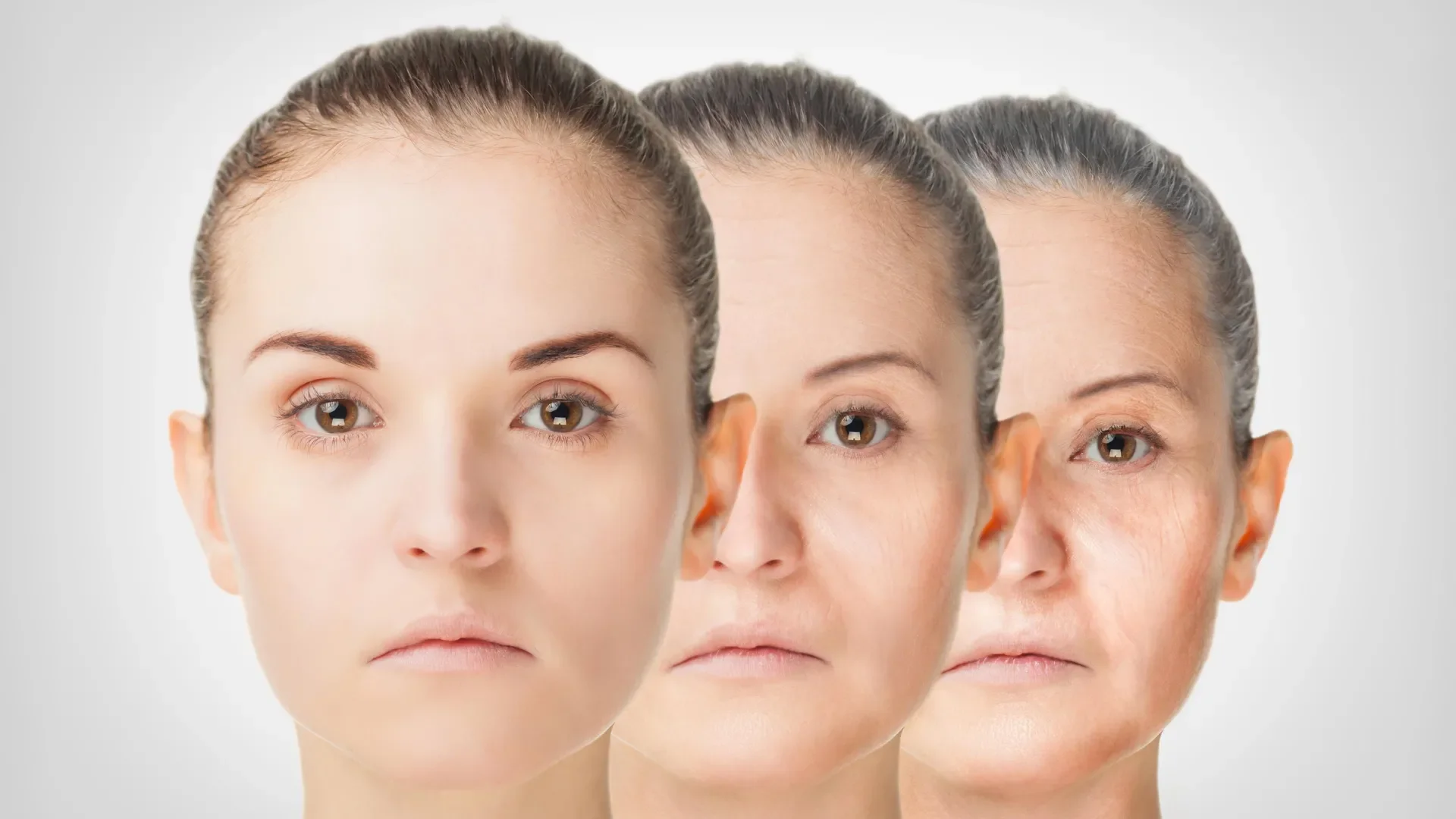
Visualization
In a significant progression of aging research, a comprehensive study undertaken by Yale University's team has illuminated the factors that genuinely influence biological aging. The research, published in *Nature Medicine*, meticulously analyzed 51 clinical studies and revealed that while certain prescription medications, lifestyle modifications, and dietary adjustments yield measurable reductions in biological age, popular over-the-counter supplements largely exhibit no substantial impact.
At the forefront of this investigation, lead author Raghav Sehgal, an associate research scientist in psychiatry at Yale, shifted his focus from a singular disease approach, such as cancer, to understanding the aging process itself, recognizing that aging plays a pivotal role in a multitude of health conditions. This shift reflects a growing awareness among scientists that biological age—a concept quantifying the physiological state of an individual—can diverge significantly from chronological age, with genetic and environmental factors contributing to this disparity.
Central to the study were advanced blood-based measurements deploying methodologies such as epigenetic clocks, which analyze methylation patterns on DNA. These chemical modifications act as biological markers, indicating the metabolic and physiological status of an individual and evolve as humans age. In this innovative research, the Yale team scrutinized more than 110 DNA methylation biomarkers, including 16 well-established epigenetic clocks. Remarkably, these biomarkers allowed researchers to infer biological age from blood samples repeatedly taken before and after interventions.
The findings uncovered profound insights regarding lifestyle interventions: diets infused with Mediterranean principles, low-fat recipes, or carbohydrate-restricted choices, when coupled with regular exercise, exhibited the most pronounced effects in staving off the inexorable march of biological aging. The results indicated that a holistic approach combining diet and physical activity not only supports health but also significantly lowers epigenetic age.
Meanwhile, the analysis revealed pharmaceutical agents such as metformin—a well-regarded medication for managing type 2 diabetes—and semaglutide—initially developed for weight management—showed a noteworthy ability to influence biological aging. These medications, alongside anti-TNF therapies that curb inflammation (with TNF, or tumor necrosis factor, being a key player in inflammatory responses), emerged as frontrunners in the quest to combat biological aging effectively.
In contrast, the search for effective over-the-counter supplements yielded disappointment. The array of supplements tested proved largely ineffectual in affecting the biological age markers, a finding that culminated in a reassessment of their purported benefits. Additionally, the researchers noted that individuals harboring chronic diseases displayed marked changes in their aging biomarkers, suggesting that pathological conditions may interact with biological aging more profoundly than previously understood.
As the Yale scientists move forward, their next endeavor lies in testing these outcomes on larger, more heterogeneous populations to validate the consistency of the interventions' effects. Such advancements in the specificity of biological age metrics could herald a transformative epoch in anti-aging research. By employing validated biological age measurements, researchers could replace long-term clinical trials with a more immediate assessment framework, enabling a swifter identification of effective anti-aging therapies.
Ultimately, it is essential to approach the implications of these findings with a balanced lens. While changes in biological age could signify improved health markers, they do not automatically guarantee an extension of life or immunity from age-related diseases. The Yale research underscores an evolving understanding of aging—not as an inevitable demise but as a biological frontier accessible to intervention. In this intricate landscape, the potential to reshape the interaction between human biology and time looms ever closer, challenging assumptions and opening doors to new strategies in healthspan and lifespan improvement.