Field: Technology
When Your Gut Bacteria Run Out of Fiber, They May Start Eating Your Gut Lining
Published | Technical Staff
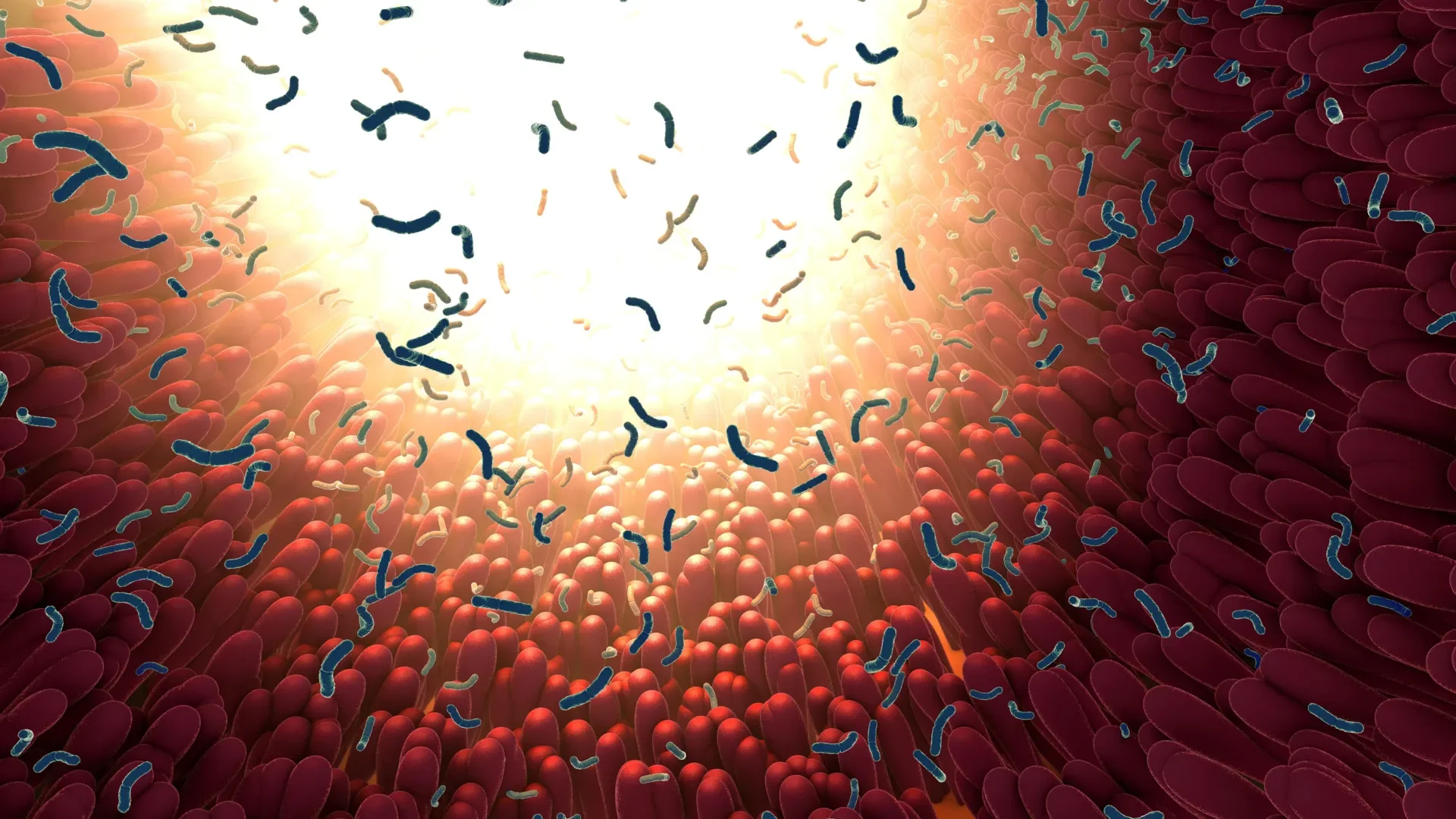
Visualization
In the cryptic depths of the human gastrointestinal tract, a hidden world thrives, teeming with microbial life that plays an indispensable role in human health. The latest research emerging from the Ludwig Institute for Cancer Research brings to light a profound and alarming revelation about the relationship between dietary constituents and gut microbiota: when deprived of fiber, gut bacteria may turn to the body’s own protective mucus lining for sustenance, leading to detrimental health outcomes. The ramifications of this discovery extend beyond the established significance of dietary fiber and encourage a deeper exploration of overlooked proteins in plant foods, which could be pivotal in maintaining a balanced microbiome.
Broadly characterized within the spectrum of plant-based diets are positive associations with enhanced digestive health, fortified immune responses, optimized metabolism, and improved cardiovascular health. At the heart of this microbial symbiosis lies the gut microbiome, a robust consortium of microorganisms tasked with breaking down indigestible food components that exceed the enzymatic capabilities of human physiology. A kaleidoscope of interactions unfolds as these microbes engage with dietary substrates, producing an array of metabolites that can significantly influence host health.
Fiber's critical role as a prebiotic substrate for gut microbes has long been established. It acts as a robust source of nutrition, sustaining microbial diversity. However, recent studies spearheaded by Jenna AbuSalim and Joshua Rabinowitz have unearthed a more intricate narrative. These researchers assert that in addition to fiber, a family of previously underestimated plant proteins—termed "proteins imitating fiber,” or Prif—also exerts a noteworthy influence on which microbial metabolites are produced during nutrient breakdown. The findings stand out against a backdrop where dietary fibers are lauded, but the potential for Prif to reorder microbial activities had remained largely untapped.
In their publication in the *Proceedings of the National Academy of Sciences*, the research team delved into the realm of phenol metabolites—organic compounds that emerge from the microbial catabolism of amino acids like tyrosine and phenylalanine, prevalent in dietary proteins. This analysis unveiled a clear distinction between the beneficial metabolites, such as phenylpropionate and hippuric acid, linked to healthy body weight and gut function, versus the harmful derivatives of tyrosine, including p-cresol sulfate and phenol sulfate, which herald poorer prognoses in conditions such as kidney disease and certain malignancies.
Through meticulously designed experiments, the researchers established that both fiber and Prif were instrumental in shifting the balance of these metabolites. By providing alternative substrates, they dissuaded the gut bacteria from degrading the intestinal mucus—a critical protective layer that separates gut flora from the epithelial cells. Such degradation not only compromises the integrity of the gut lining but also leads to the synthesis of harmful phenolic compounds.
Employing stable isotope labeling, the scientists traced the pathways of these proteins, observing a marked divergence in the metabolic fate of beneficial versus harmful phenolics. The harmful phenolic substances were predominantly sourced from the gut breakdown of the host's own mucosal proteins, while the beneficial substances stemmed from indigestible plant proteins. This discovery hints not only at a dual protective mechanism conferred by plant foods—via fiber thwarting the degradation of gut lining and Prif providing viable substrates for health-promoting metabolites—but also shines a spotlight on the potential transformative impact of dietary adjustments on gut microbiota.
As Rabinowitz states, “The interplay between diet and the gut microbiome holds vast therapeutic potential.” Nutrition science could, indeed, reach a pivotal turning point, with implications that extend to nutritional labeling. The notion of affixing Prif to food packaging alongside fiber could emerge as a pivotal step in informing consumer choices and altering dietary recommendations moving forward.
In a complementary investigation featured in *Nature Metabolism*, the researchers challenged long-held beliefs regarding the origin of bodily metabolites traditionally attributed to gut microbiota, scrutinizing the less studied realm of indole metabolites derived from tryptophan. The insights gleaned from this study further complicate the narrative of microbial contributions to human biochemistry and suggest a more significant role for host proteins and digestion than previously appreciated.
As these revelations unfold, they illuminate the delicate interplay between environmental factors—specifically dietary constituents—and microbial ecosystems shaping human health. Future research endeavors will undoubtedly probe these dynamics more deeply, elucidating how specific dietary patterns, particularly those rich in diverse plant proteins and fibers, might harness beneficial microbial pathways, promote metabolic resilience, and enhance overall physiological wellness. The journey into the intricate chemistry of our gut has only commenced, yet it promises a horizon rich with potentialities for enhancing human health through carefully curated dietary strategies.