Field: Technology
Vitamin C as a potential inhibitor of cancer-linked chemicals in the stomach
Published | Technical Staff
Visualization
Emerging research from the University of Waterloo has opened a significant window into the complex interplay between diet and cancer risk, particularly focusing on the often malign effects of nitrates and nitrites found in various food sources. These compounds, prevalent in cured meats and certain vegetables, can undergo nitrosation in the stomach, producing potentially carcinogenic substances. However, this study posits that vitamin C may be an effective antagonist in this biochemical chain, a claim supported through a detailed mathematical modeling approach.
In recent decades, the consumption of nitrates and nitrites has surged within North American diets, paralleling increased instances of associated health risks. While these compounds perform essential roles, particularly in vascular health through nitric oxide synthesis, their conversion into harmful byproducts during digestion has raised alarm among health professionals. Nitrosation, involving the reaction of nitrates or nitrites with secondary amines in an acidic environment—such as found in the stomach—can yield various nitrosamines, classified as human carcinogens.
Dr. Gordon McNicol and his team embarked on this investigation amidst a backdrop of conflicting study outcomes regarding the cancer risk imposed by dietary nitrates. Their innovative approach utilized a mathematical model designed to simulate the journey of these compounds through the human digestive system, mapping interactions among salivary glands, the stomach, small intestine, and the plasma. The model hinges on complex variables such as concentration gradients, reaction kinetics, and the influence of gastric pH on nitrosation reactions.
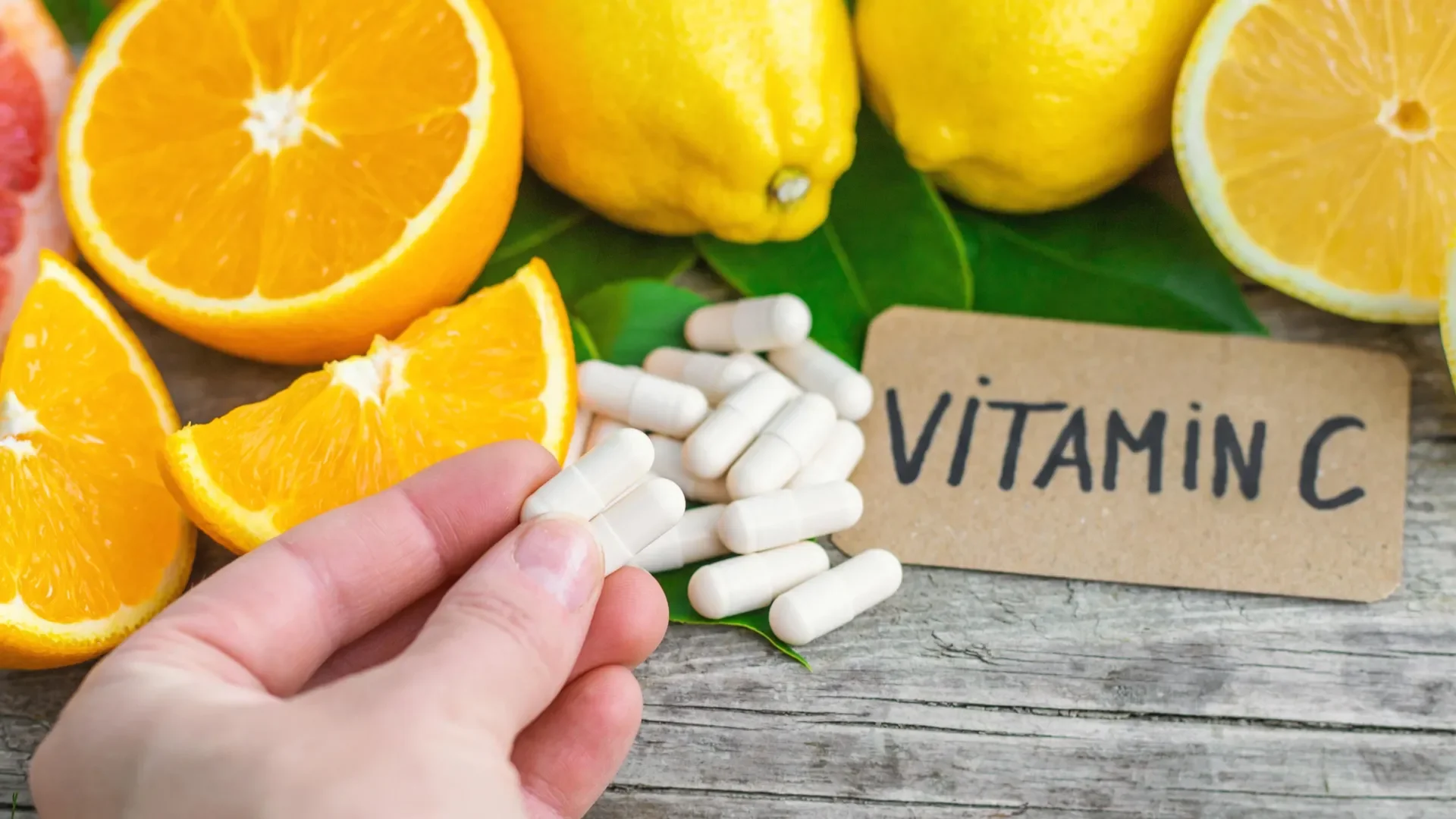
The simulations yielded a promising hypothesis: vitamin C, a well-known antioxidant, seems to impede the nitrosation process when consumed concurrently with nitrate-rich foods. This is particularly interesting given that vegetables like spinach and beets that naturally occur with high nitrate content also boast significant levels of vitamin C. The dual presence of these compounds in certain diets may elucidate why the health impacts of consuming nitrates can be inconsistent. Vitamin C, with its reductive potential, may effectively neutralize nitrosating agents, curtailing the formation of harmful nitrosamines.
To further scrutinize the practical applicability of their findings, McNicol and his collaborators tested the effects of vitamin C supplementation post-meal. Their model predicted that a regime of vitamin C intake after eating could lead to a marked decrease in the generation of nitrosation products, particularly following the consumption of processed meats. This suggests a tailored dietary strategy that could mitigate the carcinogenic potential of commonly ingested foods.
However, it is critical to approach these conclusions with caution. The framework the researchers have established, while robust, emerges from mathematical simulations rather than direct clinical trials. Such models serve as vital preliminary data, shaping future empirical experiments aimed at translating theoretical insights into tangible health outcomes.
As Dr. Anita Layton notes, the study offers a “mechanistic roadmap” for traversing the intricate nexus between diet, digestion, and the complex chemistry underlying cancer risk. By pinpointing critical factors—ranging from nitrous exposure and antioxidant levels to gastric conditions and oral microbiome interactions—this model may empower scientists to design targeted interventions and clinical trials.
The intricate chemistry explored through their models may redefine dietary recommendations, particularly concerning timing and composition of meals in relation to nitrosation risks. Further investigation is essential, yet the implications of these findings could potentially lead to new protocols that leverage vitamin C as a dietary intervention against cancer-linked reactions in the digestive tract.
Published in the Journal of Theoretical Biology, the study titled "Vitamin C as a nitrosation inhibitor: A modelling study across dietary patterns and water quality" introduces a compelling narrative around dietary anthropology, molecular biology, and epidemiology, and beckons future research in human nutritional science to unearth the full preventive potential of this ubiquitous vitamin. The quest to mitigate cancer risks through informed dietary strategies continues, with vitamin C at the forefront of promising developments.