Field: Technology
Vitamin C: A Potential Lifesaver for Patients at Risk of Leukemia
Published | Technical Staff
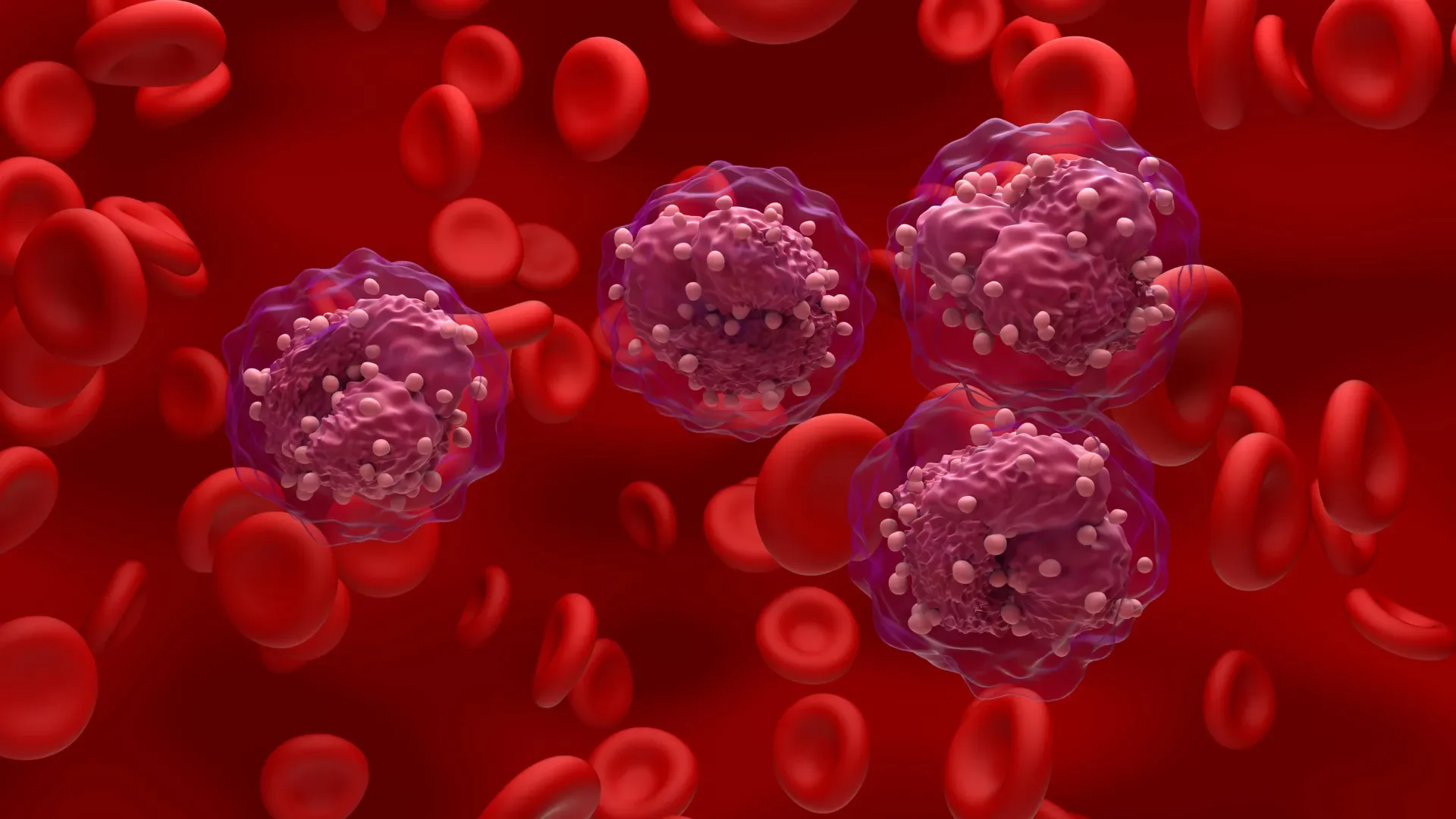
Visualization
In a remarkable intersection of nutrition and oncology, recent findings from a clinical trial illuminate the potential of vitamin C supplementation to enhance survival rates in patients with precancerous blood disorders and early-stage blood cancers. The trial, rigorously designed as a randomized, double-blind, placebo-controlled study, emphasizes a growing narrative in cancer research: the idea of intercepting cancer before it manifests. Conducted by the Van Andel Research Institute in collaboration with the Stand Up To Cancer Epigenetics Dream Team, this investigation could pivotally change the approach to preventing the deadly progression of blood malignancies, particularly acute myeloid leukemia (AML).
Encompassing a cohort of 109 individuals diagnosed with conditions such as clonal cytopenia of undetermined significance (CCUS) and myelodysplastic syndrome (MDS) — both recognized precursors to AML — this pioneering phase 2 EVITA trial meticulously examined the effects of a daily oral dose of 1,000 mg of vitamin C over a year. The participants, notably aged and often ineligible for aggressive treatments such as stem cell transplantation, were randomized into two groups, with one receiving the active supplement while the other was administered an indistinguishable placebo devoid of vitamin C. This method not only mitigated potential biases but also ensured the objectivity of treatment assessments, adhering to the gold standards of clinical research.
As researchers harvested blood samples throughout the trial, a striking discovery emerged: a substantial percentage of participants exhibited insufficient levels of vitamin C prior to supplementation. In those receiving the vitamin, plasma concentrations rebounded to optimal levels, which correlated with a reduction in adverse events and an alteration in immune signaling molecules, particularly cytokines. These molecules are central to the body’s inflammatory response and have established connections to cancer cell proliferation. The modulation of these cytokines raised intriguing questions about vitamin C’s role in dampening inflammation and potentially curtailing the aberrant growth of blood cells.
Though the primary endpoint — the rate of abnormal blood cell proliferation — did not show significant statistical changes, the exploratory analyses painted a hopeful picture. Participants receiving vitamin C exhibited a statistically significant increase in survival, with a notable number alive three years post-treatment compared to those on placebo. This survival edge opens avenues for further investigations and suggests that vitamin C could foster an environment less conducive to the development of leukemia-related complications.
Dr. Peter A. Jones, a distinguished professor at the Van Andel Institute and co-leader of the project, remarked on the implications of the findings, underscoring a shift in focus towards cancer interception – a preemptive strike against the onset of malignancy. He noted ongoing efforts to dissect the mechanisms through which vitamin C may restore normal epigenetic functions in hematopoietic cells, crucially emphasizing the potential to alter the trajectory of diseases that typically leave healthcare providers with only a watchful eye and no robust interventional strategies.
Leading the clinical aspects of the study, Dr. Kirsten Grønbæk, a hematologist from the University of Copenhagen, echoed the need for further larger-scale studies to substantiate these promising preliminary findings. The EVITA trial is notably the first of its kind to evaluate the efficacy of oral vitamin C in this demographic, distinguishing it from previous research that often focused on intravenous applications and solid tumors.
The role of vitamin C in cancer therapeutics is deeply layered and has generated debate for decades. Initial skepticism regarding its effectiveness arose from inconsistent results across various studies, often marred by methodological discrepancies. However, advancements in research methodologies and technologies have illuminated its multifaceted roles beyond mere nutritional support, particularly as a modulator of gene expression and normal cellular development.
For patients with pre-leukemia disorders, vitamin C supplementation poised as a low-cost, widely accessible intervention could represent a significant shift in management strategies. As Dr. Casey O’Connell of the USC trial site articulated, the frustrating monotony of “watch and wait” can give way to actionable strategies that address the underlying factors driving the disease.
The implications of EVITA are potent, hinting at a future where essential vitamins could play roles not only in maintenance of general health but also in the sophisticated landscape of cancer care. As researchers remain cautiously optimistic about these results, the scientific community stands ready to embark on the next phase of critical evaluation, with the hope that vitamin C will emerge as a formidable ally in the fight against leukemia and its precursors.