Field: Technology
Vitamin B12 as a Potential Therapeutic Agent for Verheij Syndrome
Published | Technical Staff
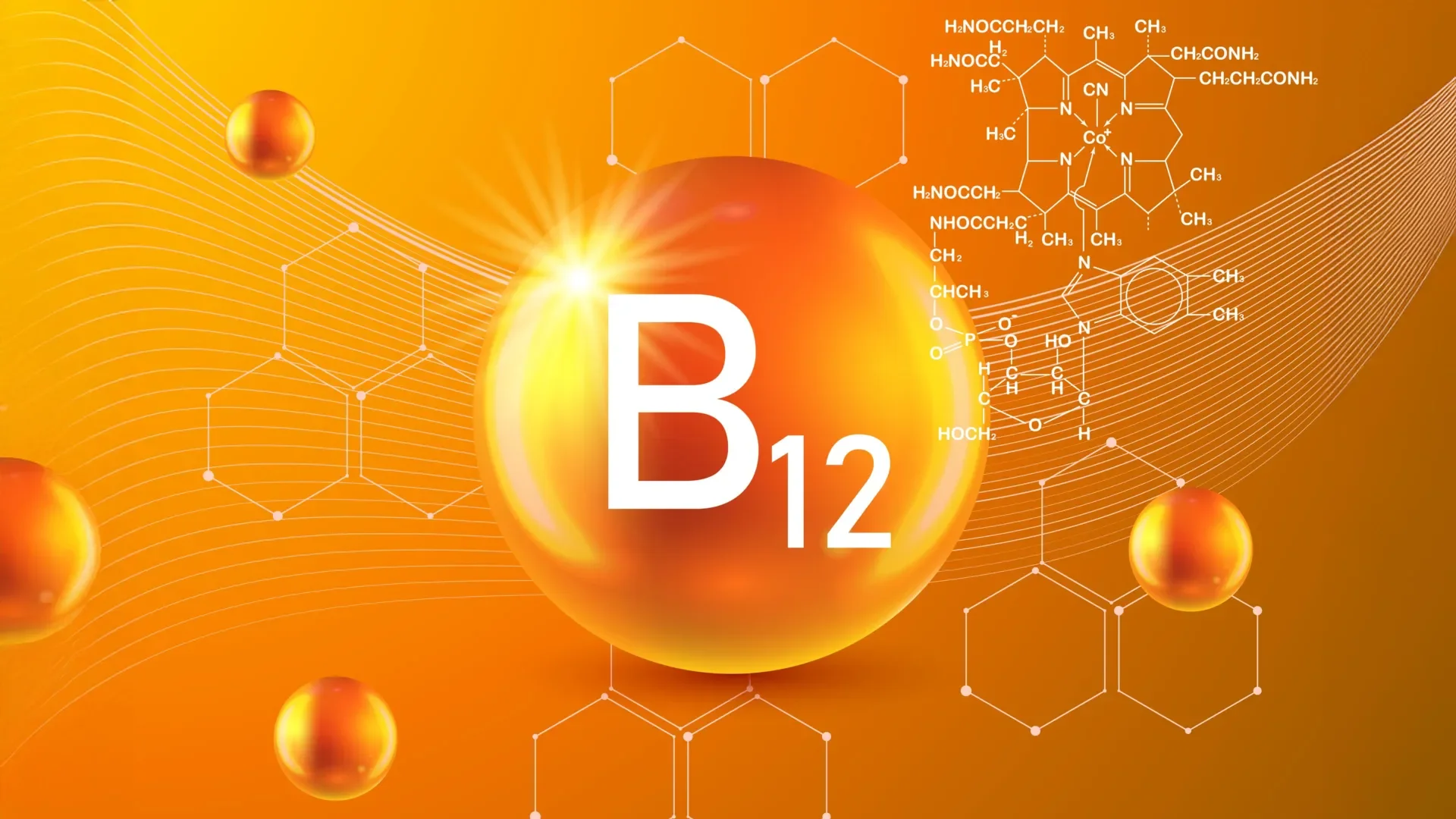
Visualization
A groundbreaking investigation emerging from the Max Planck Institute for Biology of Ageing has illuminated the remarkable potential of vitamin B12 in counteracting the developmental deficits associated with Verheij syndrome, a rare genetic disorder characterized by significant growth restrictions and pervasive developmental delays. This exploration into the metabolic ramifications of a specific genetic mutation and the vitamin's ameliorative properties opens not only a window into therapeutic avenues for this distressing condition but also a broader dialogue regarding the intricate interplay between vitamin metabolism and genetic expression.
The centerpiece of this research revolves around the essential process of RNA splicing, wherein introns are excised, and exons are joined to yield mature messenger RNA, a precursor to protein synthesis. Disruption of this process, primarily due to mutations within the splicing machinery, can severely impair cellular function, particularly in those cellular pathways that underpin growth and development—hallmarks of disorders like Verheij syndrome.
The investigative team harnessed the model organism *Caenorhabditis elegans*, a nematode known for its well-mapped genome and conserved biological processes. Here, they embarked on a series of genetic screenings that unveiled a mutation in a gene pivotal to RNA splicing with profound implications for both metabolism and growth. Observations revealed that *C. elegans* bearing this mutation exhibited stunted growth, remaining considerably smaller than their wild-type counterparts, a phenotype echoed in human patients afflicted by Verheij syndrome.
Upon delving into the metabolic mechanics impacted by the splicing mutation, the researchers identified marked disruptions in metabolic pathways reliant on vitamin B12. With this critical insight, they posited that elevating the availability of vitamin B12 could restore normalcy to these perturbations. The experimental administration of vitamin B12 resulted in a remarkable restoration of the disrupted metabolic pathways, thereby rectifying the growth deficits in the mutant worms. As Jonathan Kölschbach, the study's first author, encapsulates the significance of their finding: "A change in a fundamental process of RNA processing had such a targeted effect on vitamin B12-dependent metabolism."
These encouraging results prompted an exploration of whether such metabolic alterations were replicated in human subjects. Utilizing publicly available datasets complemented by clinical insights from collaborating neuropediatricians, the research team probed blood samples from individuals diagnosed with Verheij syndrome. The findings pointed to similar metabolic disruptions, suggesting that the mechanisms elucidated in the *C. elegans* model might indeed resonate within human pathophysiology.
While the tantalizing prospect of vitamin B12 as a nutritional linkage to improved outcomes in Verheij syndrome remains speculative, the implications are profound. Conclusive evidence from further studies will be critical to determining if vitamin B12 supplementation could serve as an effective intervention for affected individuals. Yet, the implications of this discovery extend beyond Verheij syndrome, inviting a reevaluation of the metabolic underpinnings that accompany a spectrum of genetic disorders associated with aberrant RNA splicing.
As Adam Antebi, the director of the Max Planck Institute and the study's lead author, posits, this research underscores how fundamental biological inquiries utilizing model organisms can yield transformative insights into human health. The correlations drawn from the nematodes to human diseases signal a nascent era in the understanding of rare genetic disorders, shaping potential therapeutic frameworks that could harness the humble yet essential role of vitamins in cellular and developmental processes. The trajectory ahead is replete with possibilities, as the nexus of vitamin metabolism and genetic expression hints at new paradigms in the treatment of genetic maladies.