Field: Technology
Unraveling the Cognitive Landscape: The Distinct Face Processing Mechanisms in Autistic Children
Published | Technical Staff
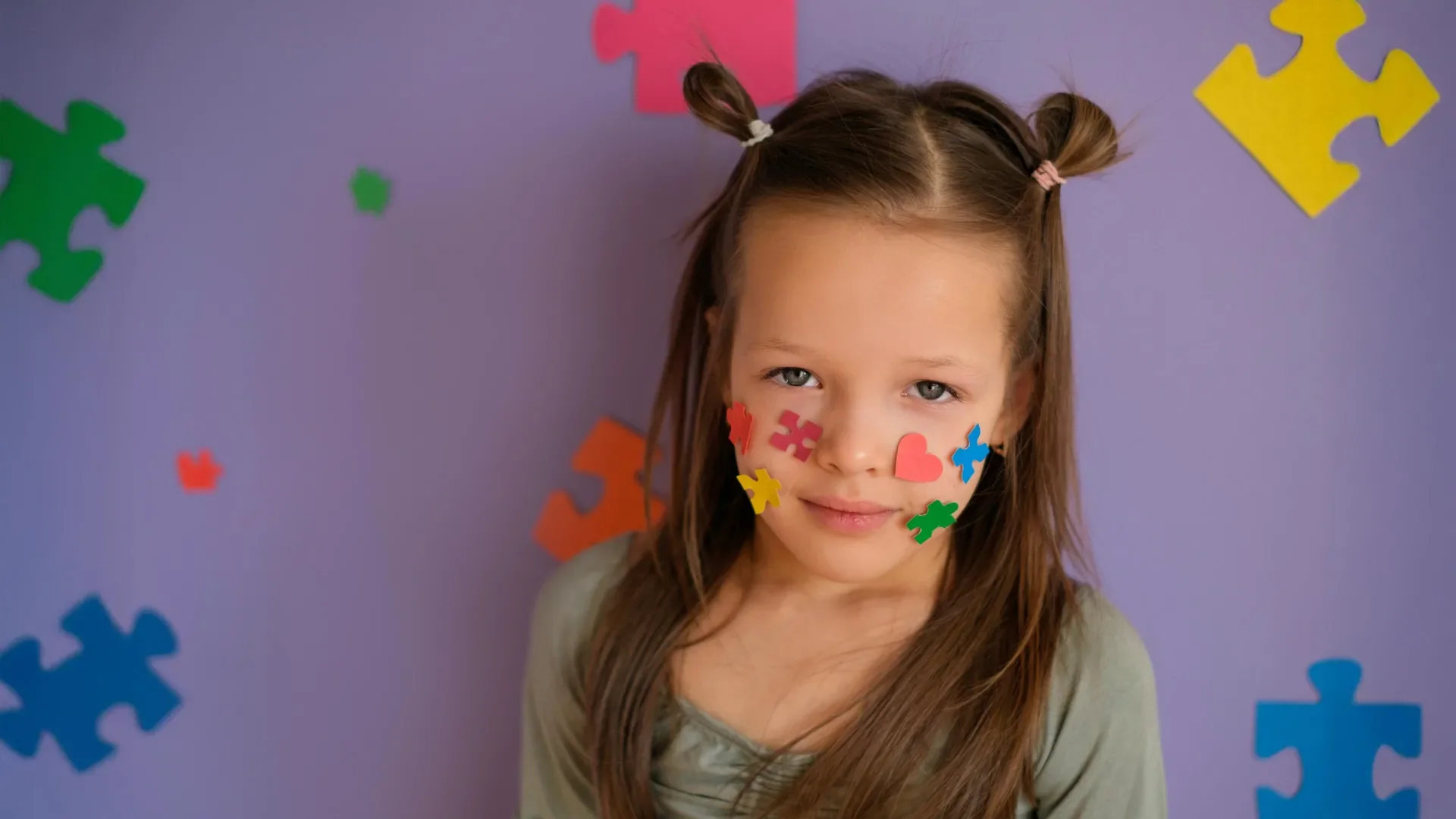
Visualization
In a groundbreaking study published in *Nature Mental Health*, a team of researchers from Yale University has brought to light the nuanced differences in facial recognition processing in autistic children compared to their neurotypical peers. This research marks a significant stride in understanding the neurological underpinnings of autism, particularly how it affects the processing of faces—an area crucial for social interaction and emotional interpretation.
The investigation stemmed from longstanding observations that many autistic individuals exhibit atypical behaviors such as diminished eye contact, less frequent face viewing, and challenges in recalling facial identities or interpreting emotional expressions. In the early 2000s, pioneering studies had already established a correlation between autism and reduced neural activity in the regions of the brain known to facilitate face processing. Fast forward to today, with a more sophisticated investigative approach, the research led by James McPartland, PhD, Director of the Center for Brain and Mind Health, underscores the need for a broader perspective on this characteristic.
Utilizing electroencephalography (EEG), which provides a temporal resolution of milliseconds, McPartland and his colleagues meticulously recorded a wealth of electrical data across the scalp of approximately 400 children—both autistic and neurotypical—while they viewed images of faces alongside various everyday objects. Rather than following traditional methodologies that often limit the scope of brain activity analysis to select regions, the research examined signals from all 128 electrodes placed around each participant's scalp. Through this comprehensive approach, the research aimed to capture the full tapestry of neural activity, akin to surveying an entire city by satellite imagery rather than from a single downtown street.
The results were telling: the electrical activity correlating with face recognition manifested more distinctly in neurotypical children. By employing advanced machine learning algorithms to parse the rich dataset, the researchers determined that the capacity to decode facial recognition from the brain's electrical signals diminished in autistic children. Notably, while the face-specific neural response in neurotypical children exhibited a clear trajectory of maturation and specialization with age, the responses from autistic children remained notably less defined.
The implications of the findings indicated that autism-related differences in face processing may emerge much earlier than previously established markers, such as the N170, a well-documented brain signal typically apparent around 170 milliseconds post-exposure to facial stimuli. By assessing a broader temporal range of electrical activity, McPartland and his team identified alterations in processing stages that precede the N170, hinting at more nascent developmental origins of the observed cognitive divergences.
These revelations not only illuminate the architecture of face processing in autistic individuals but also raise pertinent questions about clinical approaches to diagnosis and intervention. The historical focus on eye contact as a metric for assessing social engagement has been met with skepticism, as emerging evidence underscores that such pressures can exacerbate distress in autistic children rather than offer genuine support. Instead, a deeper comprehension of how face processing evolves in these children could steer clinical strategies toward more effective, individualized interventions.
As we dissect the implications of this pioneering study, it becomes evident that the distinctions in face processing observed are rooted in intrinsic developmental mechanisms associated with autism, rather than merely resulting from life experiences. The divergence in neural refinement and specialization seen in neurotypical individuals starkly contrasts the stabilization in autistic children's face processing trajectories, as highlighted by McPartland's analysis.
In light of these findings, early interventions focusing on enhancing emotional recognition skills in autistic children could offer promising avenues for support. By introducing targeted strategies in early childhood, caregivers and educators may foster more adept interactions in social contexts, ultimately empowering autistic individuals to navigate the complexities of interpersonal communication more effectively.
Yet, it is essential to recognize that autism encompasses a spectrum of experiences, and many individuals may not encounter significant difficulties in social engagement. As the research unfolds, the emphasis shifts towards discernment—distilling when and how interventions are warranted—acknowledging that not all autistic individuals require support in the same manner or to the same extent.
Navigating a world where face perception is often critical to social functionality can be daunting for those whose neural processing diverges from the neurotypical norm. However, with ongoing research, such as that led by McPartland and his team, the scientific community moves closer to unraveling the complexities of the autistic cognitive experience, facilitating a deeper understanding and more compassionate responses to those whose brain architectures shape their world uniquely.