Field: Technology
Unearthing a Viking Legacy: The Discovery of Norway's Monumental Silver Coin Hoard
Published | Technical Staff
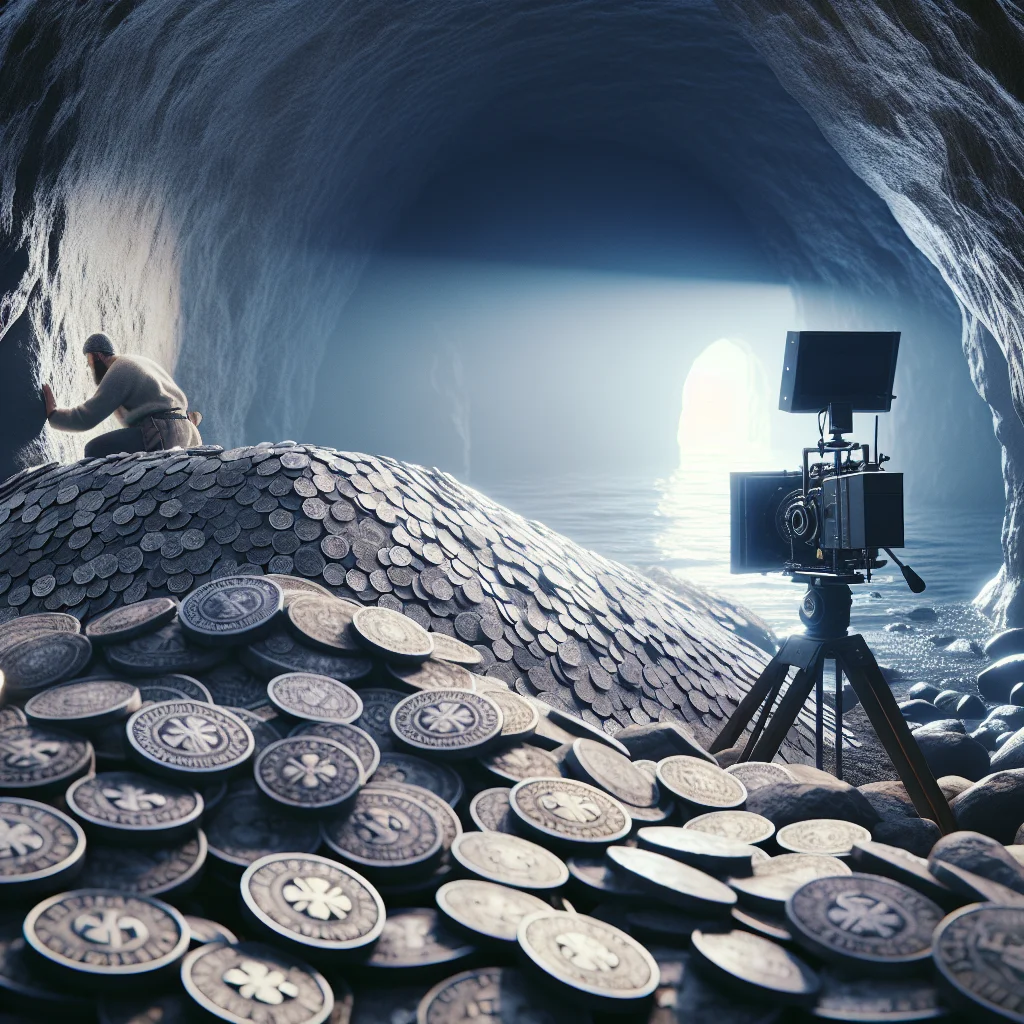
Visualization
Nestled within the verdant landscapes of eastern Norway, a stunning archaeological find has emerged, redefining the scope and scale of Viking Age treasures. In a discovery poised at the intersection of serendipity and meticulous scientific endeavour, nearly 3,000 silver coins have been unearthed, heralding the largest Viking Age hoard ever found in Norway. This cache surpasses the previous record, held nearly two centuries by the Arstad hoard found in 1836, which contained some 1,850 coins.
The discovery was initiated on April 10, when metal detectorists Rune Sætre and Vegard Sørlie came across 19 silver coins in a field. Sensing the potential magnitude of their find, they promptly contacted the local archaeological authorities. Subsequent excavations led by May-Tove Smiseth, an archaeologist with Innlandet County, quickly revealed the broader scope of the treasure. As digging progressed, the coin count soared into the triple digits, and it eventually burgeoned to the monumental figure we recognize today, with further finds anticipated as the excavation continues.
The scientific importance of this hoard extends beyond its sheer size. The coins, predominantly minted during the late Viking Age—circa 980 to 1047 CE—bear the visages and insignia of key historical figures such as Cnut the Great, Aethelred II (known colloquially as Aethelred the Unready), and Harald Hardrada of Norway. The numismatic analysis suggests that these coins encapsulate a transformative period in Scandinavian monetary history. Harald Hardrada, for instance, initiated Norway’s first standardized national monetary system early in his reign, a pivotal development marked by the transition from foreign to locally minted coins. This hoard, according to numismatist Svein Harald Gullbekk, likely represents the economic fruits of this significant minting reform.
The coins have been preserved remarkably, looking nearly minted—a fact that astounded researchers and enhanced the historical value of the find. From a metallurgical standpoint, these artifacts provide a lens into the alloy compositions and minting techniques of the era. Silver, a pivotal economic staple of the Viking Age, was often procured through trade or raiding and was crucial in the craft of coinage. The quality and preservation of these coins might suggest a rapid burial and minimal interaction with corrosive elements, a hypothesis that ongoing geochemical analyses and metallurgical studies will continue to explore.
Moreover, the context of this hoard's burial could shed light on Viking Age societal structures and economic practices. As archaeologist Jostein Bergstøl notes, the area was a significant hub for iron production from the 10th to the late 13th centuries. This detail potentially positions the hoard as a monetary reserve linked to this industry, hidden away possibly in anticipation of societal unrest or economic instability—a common practice noted in other contemporary European treasure finds.
As the excavation progresses, each coin is meticulously cataloged and studied using a combination of numismatic analysis, metallurgical testing, and historical research. This integrated approach not only ensures a comprehensive understanding of the hoard itself but also contributes to the broader narrative of Viking Age history in Scandinavia and its expansive trade networks that reached from Constantinople to the shores of North America.
This hoard promises to ignite further scholarly discussion and research, offering fresh insights into the Viking world. Its discovery not only underscores the rich historical tapestry of Scandinavia but also exemplifies the critical role of modern archaeology in uncovering the secrets of the past. The ongoing study of the Morstad hoard, as this find has been named, is set to be a cornerstone project for the Museum of Cultural History, underscoring a saga not just of past economies but of historical connectivity and the enduring legacy of the Viking Age.