Field: Technology
The secret to slower aging may be hiding in your gut
Published | Technical Staff
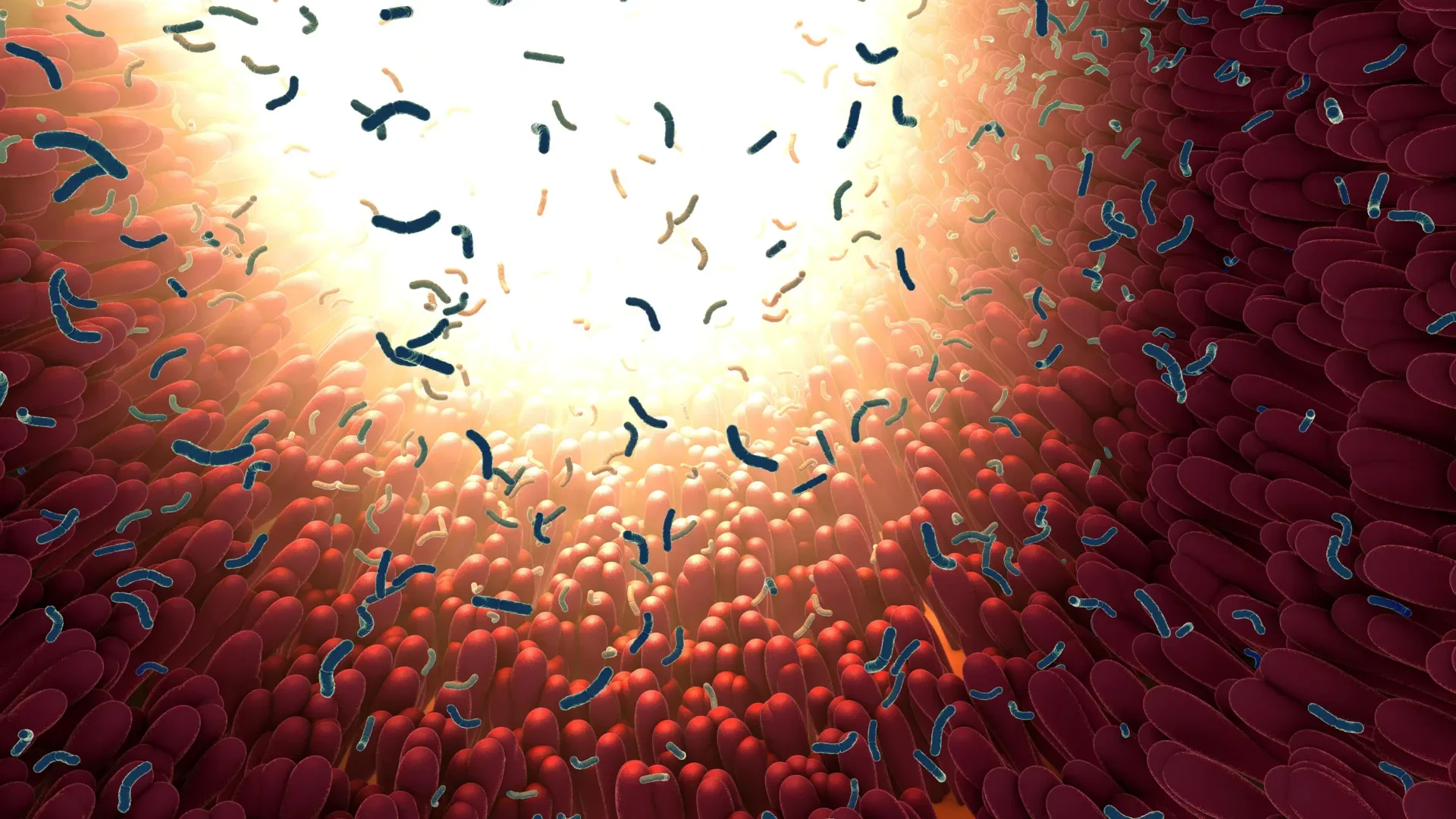
Visualization
An intricate dance emerges between our gut microbiome and the biological pace of aging, weaving a narrative that challenges the long-held notion of chronological age as the sole marker of one's vitality. Researchers at the University of Hawaiʻi at Mānoa have identified a significant correlation between gut bacterial diversity and biological aging rates—a connection that could illuminate new pathways toward understanding longevity and healthspan.
In a meticulous study published in *Scientific Reports*, the team examined stool and blood samples from 123 adults, spanning a broad spectrum of ages. The data revealed that variations in gut microbiota were responsible for approximately 15% of the differences seen in biological aging—a metric that diverges from traditional chronological age by delving into the underlying molecular changes in the body. Using cutting-edge biomarkers such as DunedinPACE, which quantifies biological aging through DNA methylation patterns, the research connects the dots between microbial composition and aging trajectories.
Notably, certain genera emerged as champions in this arena. Specifically, *Bifidobacterium adolescentis* was linked to slower biological aging, while *Succinivibrio dextrinosolvens* correlated with an accelerated aging process—a remarkable insight that could transform our understanding of how gut health influences our body's aging clock. The findings suggest that fostering the right gut microbial environment may serve as a strategic intervention for enhancing longevity.
The latitude of microbial composition in the gut offers a dynamic interplay with lifestyle factors, emphasizing the malleability of our microbiome in response to diet, lifestyle, and environmental influences. This adaptability elevates the microbiome to a unique position in precision health research, as it not only reflects individual health status but also serves as a potential factor for modifiable health strategies. Lead author Braden P. Kunihiro articulates the potential implications succinctly: "It suggests that the microbiome may reflect important aspects of biological resilience and aging."
Furthermore, the inclusion of Native Hawaiian and Pacific Islander participants enriches this exploration, emphasizing diverse populations whose experiences have been traditionally overlooked in aging and microbiome studies. Co-author Ruben Juarez highlights the importance of investigating how socio-environmental factors shape biological outcomes. This intersection of behavior, environment, and biological data paves the way for future investigations into the lasting impacts of lifestyle choices on health, potentially revealing how gut bacteria can mediate these experiences into lasting biological signatures.
While the correlations presented are compelling, researchers caution that causation remains to be definitively established. The presence of specific gut microbes does not intrinsically denote a mechanism of action that influences the aging process. Future studies must unearth whether modulating the gut microbiome—through diet, probiotics, or other interventions—can in fact yield measurable effects on biological aging.
The journey into the realm of microbial signatures does not merely stop with identifying associated species. As the scientific community continues to dissect these complex interrelations, the prospect of crafting personalized health interventions—tailored to individuals’ unique microbiomes—could revolutionize approaches to wellness and longevity. This foundational research represents a pivotal turn in aging science, setting the stage for deeper investigations into our internal ecosystems and their substantial influence on overall health and longevity. Alika K. Maunakea, the senior author, encapsulates the enthusiasm surrounding these findings, urging for further inquiry to decipher the underlying mechanisms at play that may eventually enable us to harness the microbiome toward promoting long-term health.
As this field expands, the implication is clear: the bacteria that flourish within our guts may just hold the keys to unlocking the secrets of aging, offering a tantalizing glimpse at a future where we can actively influence our biological destiny through the choices we make each day.