Field: Technology
Superheated magma could fuel towering lava fountains
Published | Technical Staff
Visualization
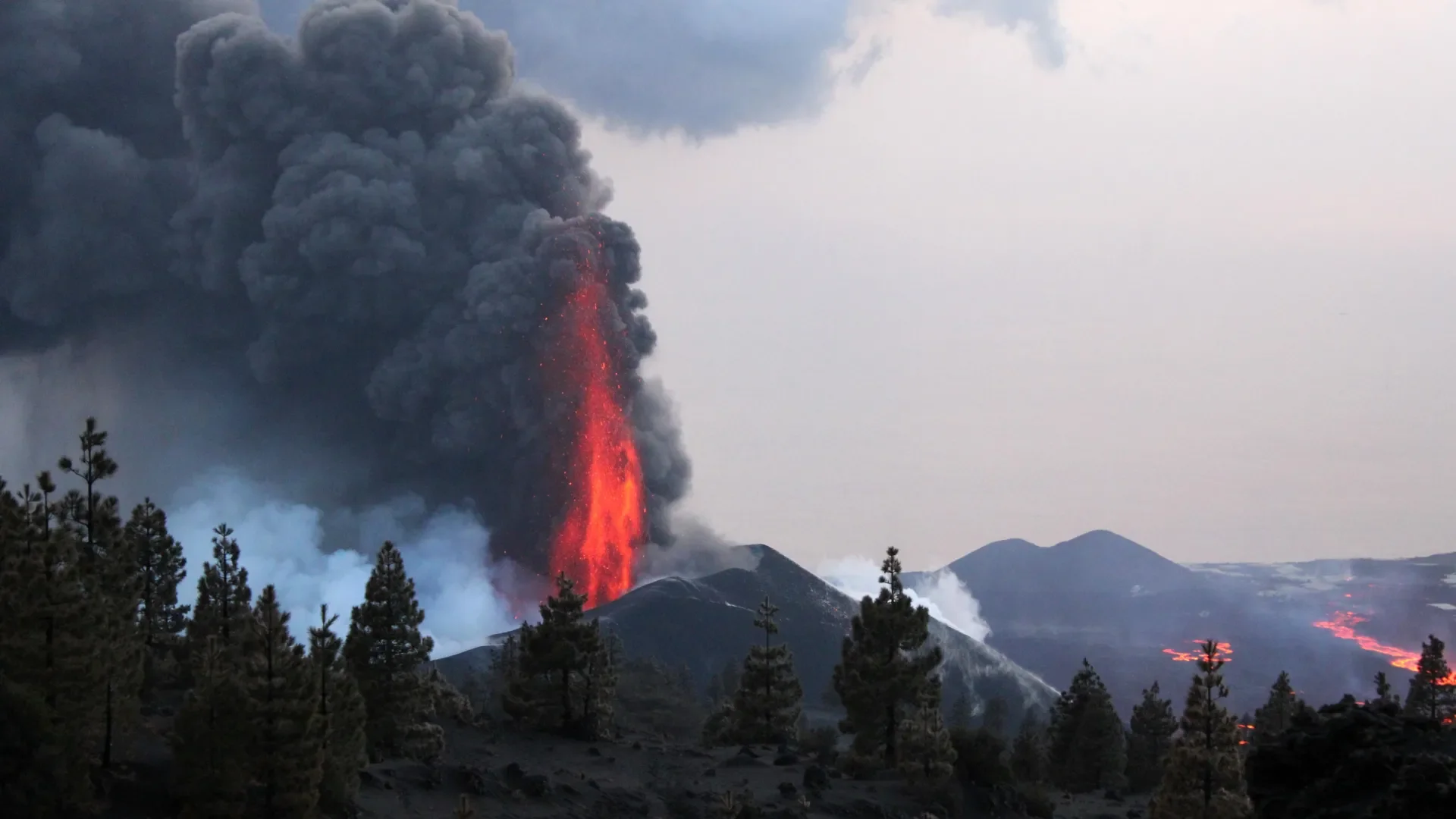
The dynamic behavior of volcanic eruptions has long captivated both scientists and the public alike, particularly when contrasting the stunning, towering fountains of lava that some volcanoes unleash against the slow, tranquil flows seen in others. Recent research spearheaded by a team from The University of Manchester unveils a hidden variable that could shed light on this phenomenon: superheated magma and its transformative effects on crystal formation within it.
At the core of this investigation lies a detailed examination of volcanic material obtained from the 2021 Tajogaite eruption on La Palma, Spain. During their study, researchers uncovered that extreme thermal conditions—specifically, superheating—can significantly alter the timeline of crystal formation in magma. This delay in crystallization, which can extend beyond eight hours for superheated magma compared to a mere 20 minutes for non-superheated magma, offers crucial insight into the factors that govern a volcano's eruptive behavior.
Superheating, characterized by magma reaching temperatures that exceed the stability threshold for crystalline structures, creates a distinctly fluid and homogeneous molten rock that can ascend with considerably less resistance. Under normal circumstances, as magma cools within the Earth, crystals begin to coalesce around pre-existing microscopic crystalline "seeds." This process not only influences the magma's viscosity but also dictates how easily gas can escape, directly impacting how it erupts at the surface.
The innovative methodologies employed in this research involved fully replicating volcanic environments, allowing scientists to observe the intricacies of crystallization in real time. Utilizing the Diamond Light Source, a cutting-edge scientific facility, the team employed synchrotron X-ray microtomography—a powerful imaging technique that allows for three-dimensional visualizations of materials without dissection. This technique was facilitated by a specially constructed pressure vessel allowing X-rays to penetrate the magma while it simulated eruptive conditions.
As simulations and observations progressed, the connection between heating history and eruption dynamics became increasingly clear. The research team discovered that when magma experienced superheating, its transition from liquid to solid was delayed significantly, altering its ascent profile considerably. The newly acquired data were computationally modeled to simulate volcanic dynamics, revealing a stark dichotomy in eruption types depending on whether and how long the magma had been superheated prior to surface eruption.
The researchers categorized these eruptive outcomes into two primary types. Magma subjected to superheating maintained a fluidic state, enhancing its ability to travel swiftly to the surface. This fluidity means less internal friction for escaping gases, leading to vigorous, explosive eruptions characterized by spectacular lava fountains. In contrast, magma crystallizing at higher temperatures begins to exhibit increased viscosity, resulting in slower upward motion and a higher likelihood of effusive eruptions—where lava flows calmly and steadily rather than explosively.
The implications of this research extend beyond mere academic curiosity. Understanding these dynamics is crucial for evaluating volcanic hazards. With the ability to monitor various signals—such as seismic activity, ground deformation, and gas emissions—scientists can glean insights into potential eruptions. However, as this study demonstrates, two volcanoes with seemingly analogous magma compositions and gas conditions can remarkably differ in eruption behavior due to the subtle but significant influence of superheating and its subsequent impact on crystallization timing.
Thus, the acknowledgment of superheated magma's role in shaping eruptive dynamics compels a reevaluation of existing volcanic forecasting models. By incorporating this nuanced understanding of the relationship between thermal history and crystallization, volcanologists may improve their ability to predict whether an impending eruption is likely to result in impressive fountains of glowing lava or gentle, flowing streams—knowledge that is not only scientifically intriguing but also vital for public safety in volcanic regions.
In conclusion, the study opens a new avenue for inquiry into the complexities of volcanic activity, emphasizing the pivotal role of superheating in determining the fate of eruptive phenomena. As researchers continue to delve into the thermal and geological intricacies of magma, it seems increasingly clear that the inner workings of these natural formations are just as tumultuous and varied as the eruptions they give rise to.