Field: Technology
Slow-Acting Dopamine Pathway May Explain How Bitter Tastes Become Cravings
Published | Technical Staff
Visualization
In a profound exploration of the intricacies that govern our dietary preferences, researchers at the University of California, San Francisco unveil a complex neurobiological mechanism that elucidates how our brains learn to crave foods, notably those that initially elicit distaste, such as coffee. Their findings, published in the prestigious journal Nature, pivot around a lesser-known, slow-acting dopamine pathway that mediates nutrient-driven learning, enhancing our understanding of the interplay between taste, nutrition, and craving.
Dopamine, a neurotransmitter conventionally associated with immediate behavioral reinforcement, features prominently in the discourse surrounding habit formation and reward-seeking behaviors. Professor Zachary Knight, a senior author of the study, emphasizes the dichotomy inherent in dopamine's role; while the rapid pathways have been extensively characterized, the slower signaling mechanisms remain largely enigmatic. It is this slow dopamine release, particularly from the gut to the brain, that forms the crux of Knight's latest investigation.
The team utilized a cohort of mice as experimental subjects, administering either sugar water or a milkshake-like liquid directly into the animals' stomachs, thus circumventing oral taste perception. This methodological choice was critical in isolating the physiological response triggered solely by nutrient content rather than flavor. Upon reaching the gut, the nutrients activated a protracted dopamine signal in the basolateral amygdala—a region integral to processing emotional responses and food intake behaviors. Notably, while blocking this dopamine signal did not inhibit the mice's consumption of food, it did obstruct their ability to associate a novel flavor with caloric content.
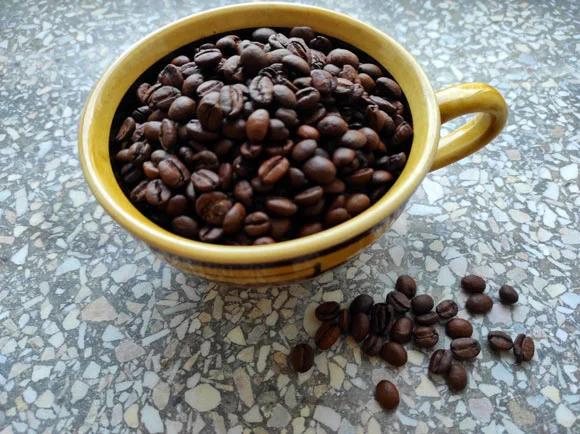
The authors' exploration delves deeper as they artificially stimulated the dopamine fibers following the introduction of a calorie-free flavor, resulting in an altered preference in the test subjects. This pivotal finding underscores the central thesis of their work: the slow dopamine system plays an essential role in shaping our food preferences over time. As Knight articulates, once the central nervous system establishes a flavor association—exemplified by coffee and its psychoactive constituent, caffeine—the perception of taste is transformed, reinforcing the drive to consume.
An additional layer of inquiry was added through a reanalysis of prior positron emission tomography (PET) scans involving thirteen male participants, complemented by a novel functional magnetic resonance imaging (fMRI) study incorporating thirty-eight adults. Both investigations revealed nutrient-triggered neuronal activity localized predominantly to the left hemisphere of the brain. Such lateralized responses were unexpected and warrant further exploration into the underlying mechanisms.
The implications of this research extend into potential therapeutic applications, particularly regarding GLP-1 receptor agonists—medications that mimic incretin hormones produced in the gut and have been shown to modify eating behaviors significantly. Although the current study did not explicitly examine the impact of GLP-1 on the newly identified dopamine pathway, Knight acknowledged their potential to influence nutrient-linked dopaminergic signaling, thereby modulating the reinforcement landscape of food desirability.
This paradigm shift in understanding opens the door to speculative yet exciting possibilities: rather than solely manipulating hunger or satiety, future pharmacological interventions could adjust the foundational processes that cultivate specific food preferences. By navigating the neural pathways connecting the gut's nutrient sensors with learning centers in the brain, researchers might eventually refine these mechanisms, paving the way for novel strategies geared toward shaping our dietary inclinations.
As the body of evidence continues to build around the slow dopamine pathway and its role in flavor-nutrient learning, the potential to alter ingrained dietary habits fosters a tantalizing prospect for nutrition-based therapy and behavioral modification—one sip at a time.