Field: Technology
Scientists Wipe Out Deadly Brain Tumors in Every Mouse Tested with New Cancer Therapy
Published | Technical Staff
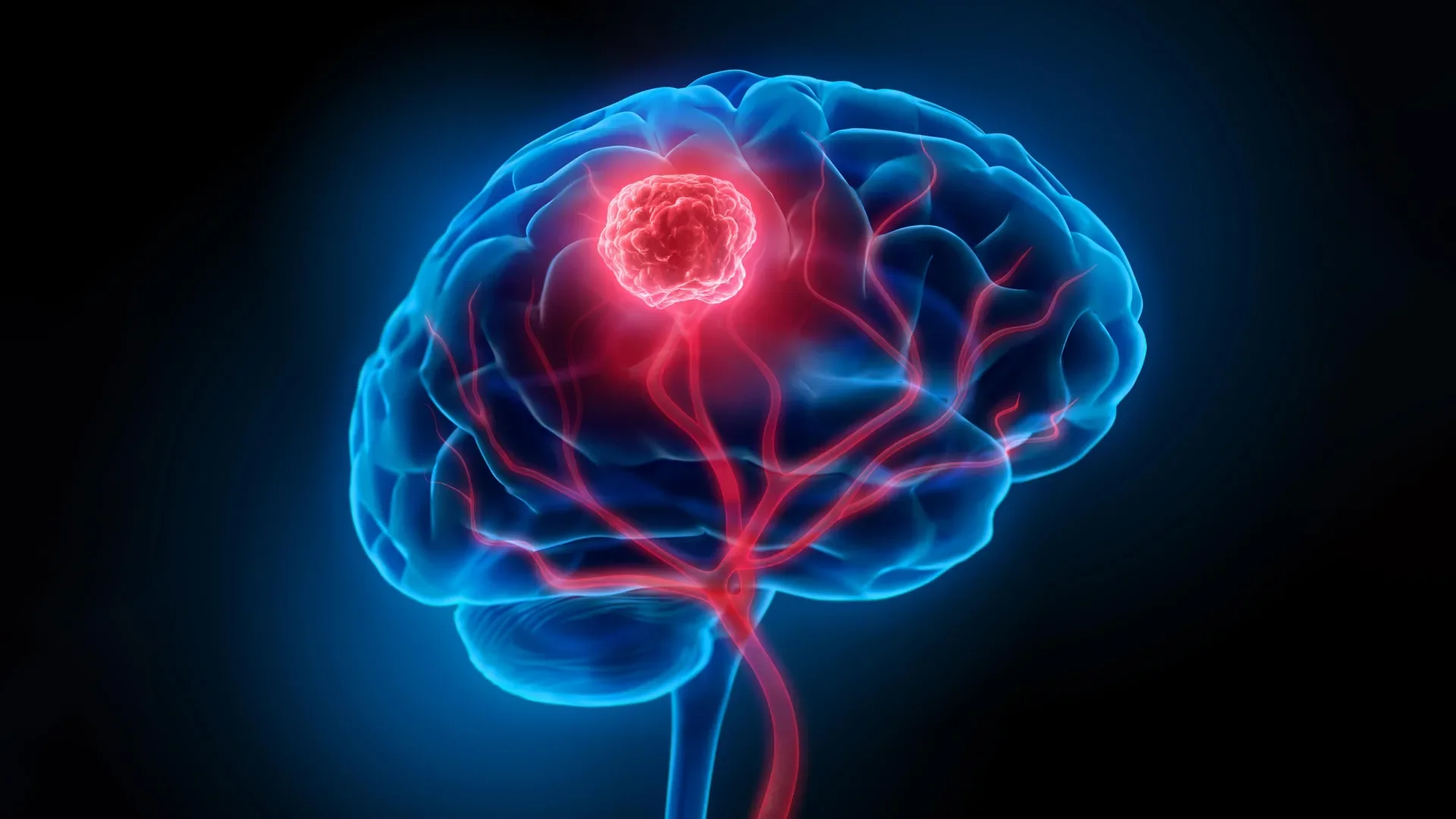
Visualization
In a groundbreaking advancement in immunotherapy, researchers at the University of California, San Francisco (UCSF) have ushered in a transformative strategy for combating one of the most formidable childhood cancers: diffuse midline glioma (DMG). This aggressive brain tumor, notorious for its almost universal fatality within one year of diagnosis, has historically resisted traditional treatment modalities. Enter B-SYNC CAR-T, a novel therapeutic intervention demonstrating unprecedented efficacy by effectively obliterating DMG tumors in multiple mouse models through a method that activates only within the brain environment, leaving surrounding tissues untouched.
Central to the innovation is the engineering of B-SYNC CAR-T cells—immune cells modified to recognize and target tumor cells. At the heart of the treatment lies a sophisticated molecular mechanism that activates these immune cells exclusively upon encountering brevican, a protein inherently found in the brain's extracellular matrix. This strategic targeting represents a critical departure from existing CAR-T therapies, which have faltered in the context of brain tumors due to a lack of specificity and subsequent off-target effects. The architecture of the B-SYNC construct builds upon foundational research into CAR-T engineering spearheaded by Dr. Hideho Okada and Dr. Wendell Lim, who previously explored the limitations of traditional CAR-T functionality versus glioblastomas, another challenging brain malignancy.
To delineate the therapeutic advantage of B-SYNC over prior iterations, it is paramount to examine its operational paradigm. Conventional CAR-T therapies typically entail the installation of Chimeric Antigen Receptors (CARs) on T cells, allowing them to tag and destroy cancer cells based on surface protein recognition. However, the vulnerability of these treatments often resides in their dependence on tumor-specific mutations, like EGFRvIII-targeting in glioblastoma cases, which are found in only a subset of patients and may be rapidly lost as tumors evolve.
In contrast, the B-SYNC system employs a dual-signal amplification strategy, activated by the presence of brevican. Once the synNotch system recognizes this ubiquitous protein, it prompts the CAR-T cells to manufacture CARs aimed at EphA2 and IL13Rα2—proteins commonly overexpressed in both DMG and glioblastoma. The ingenuity of this approach is that it replaces the need to target a limited mutation with the ability to hone in on a biomarker ubiquitous to brain tissue, thereby enriching its applicability across a broader cohort of patients.
The experimental validation involved administering B-SYNC CAR-T cells intravenously to murine models carrying human DMG xenografts. After treatment, the engineered T cells navigated through the circulatory system and selectively activated upon breaching the blood-brain barrier—the hallmark of the method’s design. The recognition mechanism functioned as intended: CAR receptor production was conspicuously confined to the brain environment, with no activation observed in peripheral bloodstream compartments or lymphoid tissues. Such specificity not only mitigates potential systemic side effects but also optimizes immune engagement directly at the tumor site.
Moreover, the promise of B-SYNC lies in not only its cancer-eradicating prowess but its durability. Following the complete ablation of established tumors, researchers subsequently challenged the B-SYNC-treated mice with a new influx of cancer cells approximately seven weeks post-therapy. Remarkably, every treated subject displayed robust immunity against re-emerging DMG cells, confirming the persistence of functional T cell activity long after the initial immune response had been mounted. This sustained anti-tumor immunity appears to be intricately linked to the strategic timing of CAR activation, which may alleviate T cell exhaustion—a phenomenon wherein prolonged immune stimulation results in diminished efficacy.
As preparations gear up for clinical trials projected to commence in April 2027, the pioneering research proposes a paradigm shift in pediatric neuro-oncology treatment strategies. By channeling the full potential of engineered immune responses while sidestepping the pitfalls that have hampered prior regenerative techniques, B-SYNC CAR-T cells may one day offer not just hope, but a functional cure to patients grappling with the despair of diffuse midline glioma. The ensuing field of study promises to unravel further the mechanistic underpinnings of this innovative therapy while broadening its reach into diverse oncological scenarios, ensuring a multidisciplinary approach to cancer care that bridges experimental breakthroughs and clinical application.