Field: Technology
Scientists use sound waves to deliver a new attack on deadly brain cancer
Published | Technical Staff
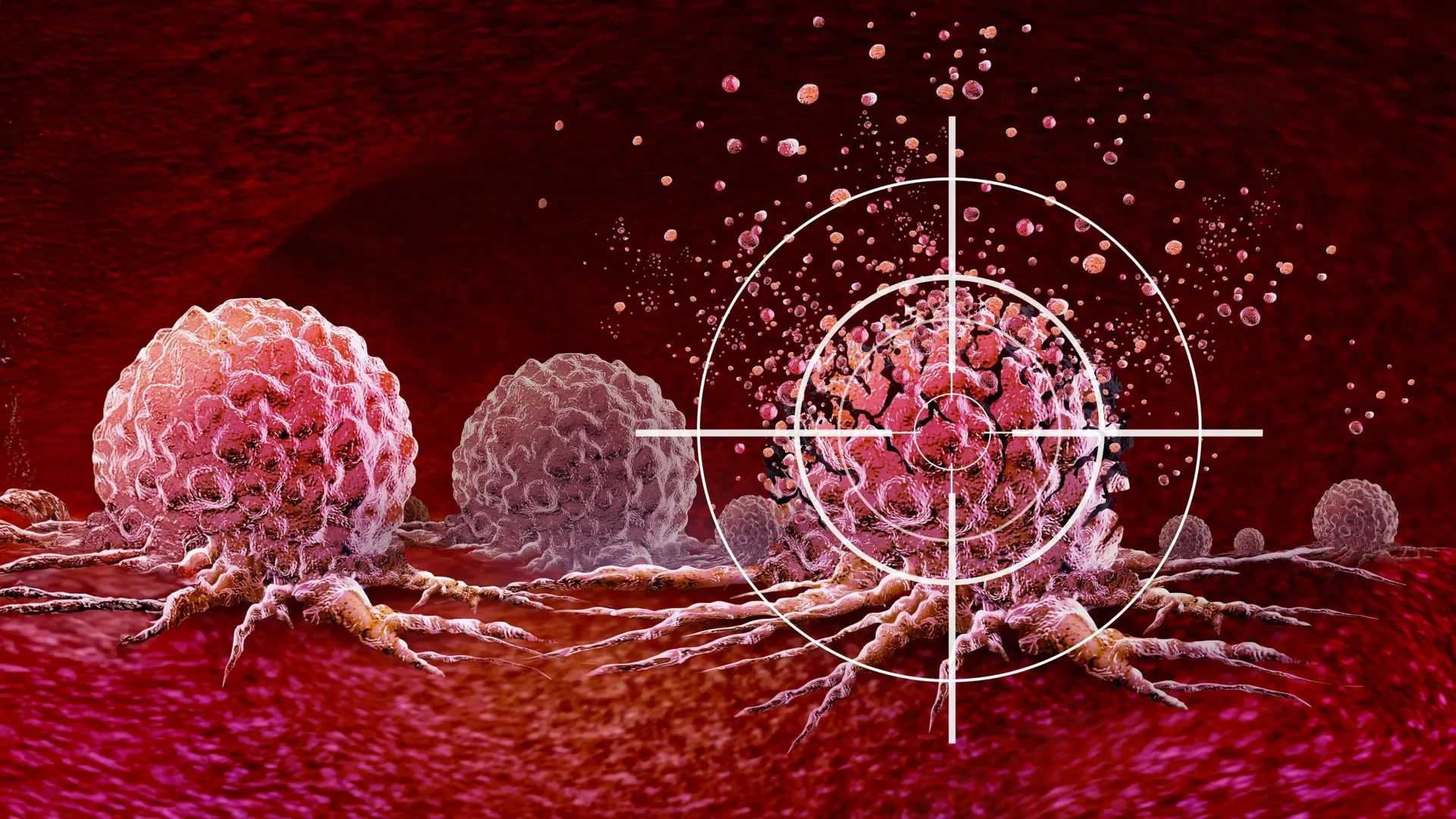
Visualization
In an innovative venture echoing the symbiosis of biology and technology, researchers at the University of Virginia Comprehensive Cancer Center have crafted a cutting-edge strategy in the protracted battle against glioblastoma. This notoriously aggressive brain cancer afflicts thousands annually, presenting formidable challenges to existing treatment modalities. The latest findings articulate a novel approach that leverages focused ultrasound, biodegradable nanoparticles, and the potent capabilities of microRNAs to unleash a new front in cancer therapy.
Glioblastoma multiforme (GBM) remains the most prevalent and malignant brain tumor among adults, claiming approximately 13,000 lives in the United States per year. Its treacherous nature lies not only in its rapid proliferation but also in its penchant for infiltrating healthy neural tissue; this invasiveness severely restricts surgical intervention. Compounding this dilemma is the formidable blood-brain barrier (BBB), a selective permeability shield designed to protect the central nervous system yet inadvertently thwarting the delivery of therapeutics that could potentially eradicate tumorous growths.
Traditional treatment regimens begin with surgical excision aimed at debulking the tumor followed by adjunctive therapies including radiation and chemotherapy. Despite these aggressive strategies, patient prognosis remains grim, with survival rates generally capped at around 15 months post-diagnosis. The researchers’ foresight has led them to adopt an alternative paradigm that pivots from traditional pharmacotherapy to a more multifaceted genetic approach.
Led by Dr. Roger Abounader, the UVA team investigated microRNAs—small, non-coding RNA molecules that play crucial roles in gene expression regulation. These microRNAs can simultaneously interact with and inhibit multiple oncogenes responsible for glioblastoma propagation, thereby attacking the cancerous mechanisms from multiple angles. In silico analyses indicated that the microRNAs identified by Abounader’s group could potentially suppress multiple pathways implicated in tumor growth, including both cell survival and proliferation, thus presenting a heretofore unexploited method of mitigating tumorigenesis.
The crux of this experimental approach hinges on the ability to penetrate the BBB, traditionally a blank canvas teeming with pharmacological limitations. Realizing this, the researchers ingeniously employed focused ultrasound, which, in tandem with magnetic resonance imaging (MRI) guidance, enables precision targeting of the desired cerebral locale. This non-invasive technique employs sonic waves to temporarily modulate the BBB, converting it from a protective barrier into a selectively permeable gate.
In conjunction with the ultrasound, microscopic "microbubbles" are utilized. These bubbles oscillate under the influence of sound waves, creating transient openings in the BBB through mechanical vibrations. This strategic combination allows the engineered nanoparticles—carrying the microRNAs—to traverse the barrier, reaching the tumor microenvironment where they can exert their effects on malignant cells.
Preclinical evaluations showcased in vivo studies that illuminated the efficacy of this approach. The nanoparticles encapsulating the microRNAs exhibited a marked reduction in tumor volumes and increased survival rates in animal models, a stark departure from the more debated efficacy profiles of conventional chemotherapy regimens. Specifically, metrics derived from these studies delineated a statistically significant decrease in glioblastoma growth rates, complemented by favorable survival outcomes.
Yet, despite the promise heralded by these preliminary results, Abounader emphasizes the distinction between experimental discovery and clinical application. Institutional commitment to prudent translational research remains paramount, as further investigations will delineate dosimetry, optimal timing, and long-term effects of such innovative therapies before they can enter human trials.
The pursuit of these groundbreaking findings is part of UVA Health’s broader mandate to refine cancer treatment paradigms through integrative research. With a legacy of leadership in focused ultrasound applications, UVA has partnered with the Focused Ultrasound Foundation to catalyze advancements in immuno-oncology through this emerging technology. The Focused Ultrasound Immuno-Oncology (FUSION) Center stands as a testament to this commitment, striving to fuse ultrasound technology with immunotherapeutic strategies, thereby potentially revolutionizing cancer care across the spectrum of malignancies.
As researchers forge ahead, accumulating empirical evidence to support further investigations, the implications of their work extend beyond glioblastoma. The methodologies developed could translate into therapeutic avenues for a variety of oncological and neurological ailments, highlighting a future where the integration of sound and genetic engineering could alter the treatment landscape significantly.
This dynamic exploration into the confluence of sound waves and molecular biology embodies the relentless quest to mitigate cancer’s formidable burden. As the field advances, the tangible hope is not only to improve survival rates but to catalyze a holistic reevaluation of how we confront some of the most intractable diseases of our time.