Field: Technology
Scientists unveil breakthrough linking antibodies to inflammatory bowel disease, unearthing a 30-year-old enigma
Published | Technical Staff
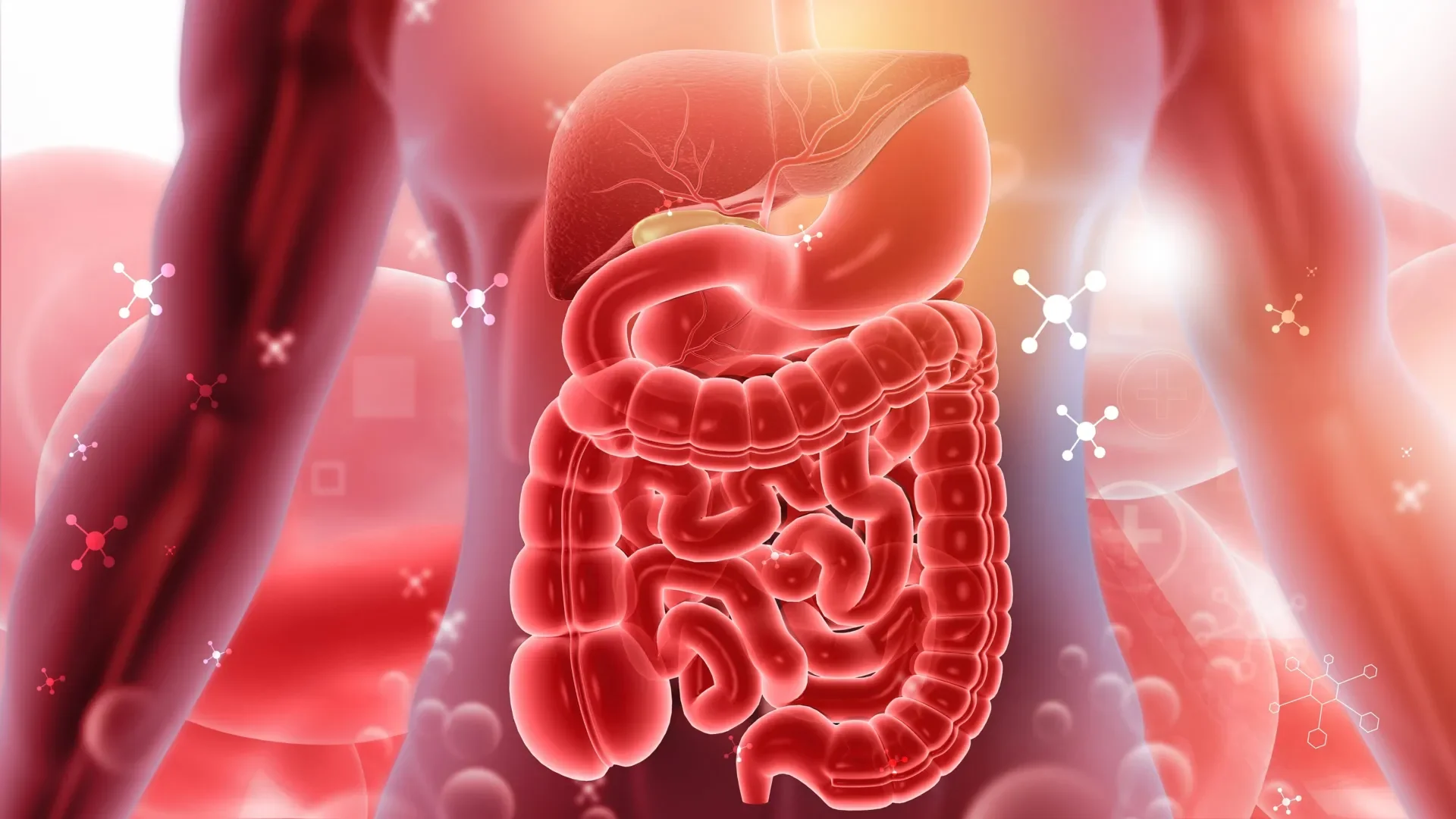
Visualization
In a stunning development with profound implications for the treatment of inflammatory bowel disease (IBD), researchers from the University of Oxford, Newcastle University, and Cambridge University Hospitals NHS Foundation Trust have identified a heretofore hidden malfunction of the immune system that exacerbates this debilitating condition. The findings, published in the New England Journal of Medicine, detail how certain antibodies disable interleukin-10 (IL-10), a critical cytokine responsible for moderating inflammatory responses, thereby elucidating a long-standing mystery in the field of gastroenterology and paving the way for bespoke therapeutic strategies.
For decades, IBD, which encompasses chronic disorders such as Crohn’s disease and ulcerative colitis, has perplexed clinicians and scientists alike. Affecting an estimated 500,000 individuals in the United Kingdom alone and millions globally, the condition often manifests during adolescence or early adulthood with symptoms that can lead to debilitating chronic illness. Traditional management approaches have relied upon immunosuppressive agents and surgery, yet the heterogeneity of IBD and the varied responses to existing treatments have led to substantial patient burden and healthcare costs.
In their comprehensive investigation, the research team assessed the immune profiles of over 4,900 individuals diagnosed with IBD and discovered that approximately 3.5% exhibited elevated levels of antibodies that antagonize IL-10. Notably, these antibodies were absent in healthy control subjects. The presence of these neutralizing antibodies can substantially curtail the protean activities of IL-10, which ordinarily mediates immune homeostasis through various mechanisms, including the attenuation of pro-inflammatory cytokines such as tumor necrosis factor-alpha (TNF-α) and the promotion of Treg (regulatory T cells) differentiation.
The breakthrough extends to a significant genetic insight: a robust association was established between the IL-10-blocking antibodies and the polymorphism HLA-DRB1*01:03, a variant long recognized as a potent genetic risk factor for severe IBD but whose functional implications had eluded investigators for decades. By elucidating how this genetic predisposition correlates with heightened antibody production, the researchers have effectively bridged the gap between genetic risk and pathogenic mechanism—a feat that Professor Holm Uhlig, Director of the Centre for Human Genetics, describes as the provision of critical evidence linking IL-10 dysfunction to severe intestinal inflammation.
In preceding years, insights gained from studying rare, inherited disorders which disrupt IL-10 functionality provided an invaluable framework for understanding common forms of IBD. Investigators noted that in certain cases of severe IBD among young children, genetic defects affecting IL-10 or its receptor mirrored the functional consequences of neutralizing antibodies identified in the study cohort. This realization empowered scientific inquiry and ultimately led to the current elucidation of a common pathogenic mechanism spanning several distinct IBD presentations.
As the research unfolds, its clinical ramifications are poised to be valuable. The identification of patients with these neutralizing antibodies opens the door to the development of diagnostic blood tests, thus enabling clinicians to stratify patients according to their specific immunological profiles. By swiftly identifying those who would benefit from targeted therapies aimed at the autoimmune response toward IL-10, the healthcare system can shift toward a more personalized treatment approach. Dr. Rainer Doffinger posited that early intervention could mitigate the need for extensive and costly therapies, surgeries, and hospitalizations, translating into immense savings for health systems while simultaneously enhancing patient quality of life.
Moreover, the implications for new therapeutic avenues merit discussion. Targeting the deleterious antibodies directly, or attenuating the immune cells responsible for producing them, may offer treatment methodologies that circumvent traditional immunosuppressive regimens with their respective adverse effects. As articulated by Professor Simon Travis, recognizing a definitive biological causality in IBD management represents an inflection point, potentially revolutionizing therapeutic paradigms in this complex disease landscape.
As we stand on the precipice of a new era in IBD treatment, the promise of this discovery heralds a shift away from one-size-fits-all approaches towards customized therapies that directly address the underlying immunological aberrations, thus ultimately enhancing patient outcomes and reestablishing control over a condition that has eluded conclusive management for far too long.
For decades, IBD, which encompasses chronic disorders such as Crohn’s disease and ulcerative colitis, has perplexed clinicians and scientists alike. Affecting an estimated 500,000 individuals in the United Kingdom alone and millions globally, the condition often manifests during adolescence or early adulthood with symptoms that can lead to debilitating chronic illness. Traditional management approaches have relied upon immunosuppressive agents and surgery, yet the heterogeneity of IBD and the varied responses to existing treatments have led to substantial patient burden and healthcare costs.
In their comprehensive investigation, the research team assessed the immune profiles of over 4,900 individuals diagnosed with IBD and discovered that approximately 3.5% exhibited elevated levels of antibodies that antagonize IL-10. Notably, these antibodies were absent in healthy control subjects. The presence of these neutralizing antibodies can substantially curtail the protean activities of IL-10, which ordinarily mediates immune homeostasis through various mechanisms, including the attenuation of pro-inflammatory cytokines such as tumor necrosis factor-alpha (TNF-α) and the promotion of Treg (regulatory T cells) differentiation.
The breakthrough extends to a significant genetic insight: a robust association was established between the IL-10-blocking antibodies and the polymorphism HLA-DRB1*01:03, a variant long recognized as a potent genetic risk factor for severe IBD but whose functional implications had eluded investigators for decades. By elucidating how this genetic predisposition correlates with heightened antibody production, the researchers have effectively bridged the gap between genetic risk and pathogenic mechanism—a feat that Professor Holm Uhlig, Director of the Centre for Human Genetics, describes as the provision of critical evidence linking IL-10 dysfunction to severe intestinal inflammation.
In preceding years, insights gained from studying rare, inherited disorders which disrupt IL-10 functionality provided an invaluable framework for understanding common forms of IBD. Investigators noted that in certain cases of severe IBD among young children, genetic defects affecting IL-10 or its receptor mirrored the functional consequences of neutralizing antibodies identified in the study cohort. This realization empowered scientific inquiry and ultimately led to the current elucidation of a common pathogenic mechanism spanning several distinct IBD presentations.
As the research unfolds, its clinical ramifications are poised to be valuable. The identification of patients with these neutralizing antibodies opens the door to the development of diagnostic blood tests, thus enabling clinicians to stratify patients according to their specific immunological profiles. By swiftly identifying those who would benefit from targeted therapies aimed at the autoimmune response toward IL-10, the healthcare system can shift toward a more personalized treatment approach. Dr. Rainer Doffinger posited that early intervention could mitigate the need for extensive and costly therapies, surgeries, and hospitalizations, translating into immense savings for health systems while simultaneously enhancing patient quality of life.
Moreover, the implications for new therapeutic avenues merit discussion. Targeting the deleterious antibodies directly, or attenuating the immune cells responsible for producing them, may offer treatment methodologies that circumvent traditional immunosuppressive regimens with their respective adverse effects. As articulated by Professor Simon Travis, recognizing a definitive biological causality in IBD management represents an inflection point, potentially revolutionizing therapeutic paradigms in this complex disease landscape.
As we stand on the precipice of a new era in IBD treatment, the promise of this discovery heralds a shift away from one-size-fits-all approaches towards customized therapies that directly address the underlying immunological aberrations, thus ultimately enhancing patient outcomes and reestablishing control over a condition that has eluded conclusive management for far too long.