Field: Technology
Scientists unveil ancient 66-pound rodent, Yakamys sirindhornae, reshaping understanding of rodent evolution
Published | Technical Staff
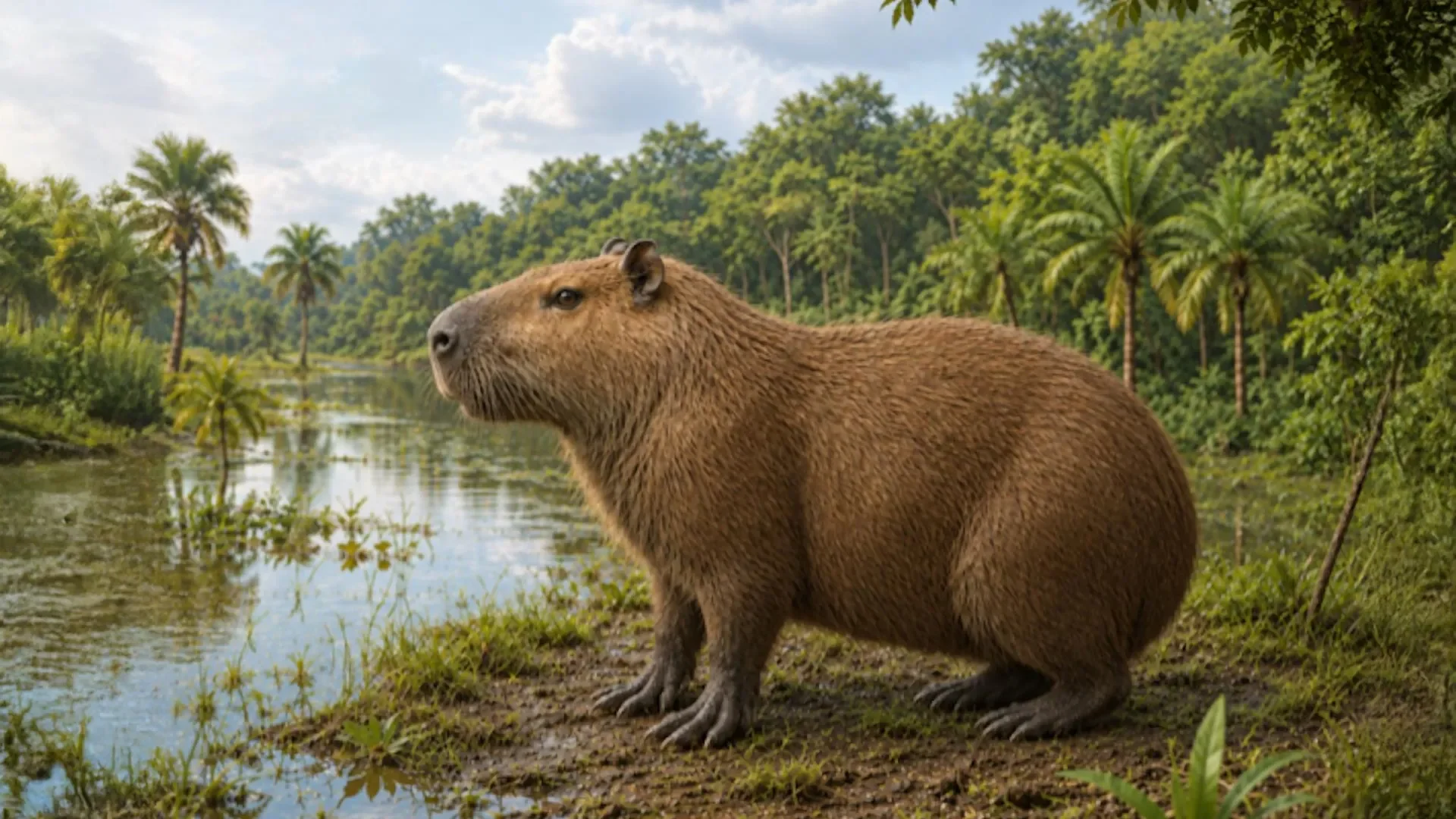
Visualization
Deep within the rich sedimentary deposits of southern Thailand’s Krabi Province, an extraordinary discovery has emerged from the dim corridors of time—one that fundamentally alters our perception of rodent evolution. The recently identified species, Yakamys sirindhornae, is a formidable reminder of the evolutionary adaptability displayed by mammals through the ages, shattering previous assumptions about the timeline and geographical distribution of rodent gigantism.
Diving into this evolutionary narrative, Yakamys sirindhornae flourished approximately 34 million years ago, during the mid-Paleogene period, a time often overshadowed by the monumental evolutionary shifts that preceded and followed it. The excavation team, which included experts from McGill University and various French research institutions, unearthed sizeable fossilized teeth—specifically a lower second molar and a lower incisor—from the Bang Mark Pit, situated within a lignite mine. The sheer size of these teeth exhibited characteristics suggestive of a massive rodent capable of reaching an estimated weight of around 30 kilograms (66 pounds), making it roughly double the size of contemporary rodent species, such as Hulgana, existing during the same epoch.
Researchers utilized a multi-faceted approach to estimate body mass based on dental morphology, applying seven established methodologies that correlate tooth measurements to inferred mass. However, as with all paleontological estimates, the precision of such calculations comes with caveats. Despite the robust statistical frameworks entailed in these extrapolations, the uncertainty inherent in inferring body mass from fragmentary remains has compelled scientists to acknowledge that their estimates are both a "ballpark figure" and a launching point for further inquiry.
The etymology of Yakamys sirindhornae encapsulates both its imposing stature and its cultural ties. The genus name cleverly integrates "yak," the Thai term for "giant," with "mys," derived from the Greek for "mouse" or "rat," while the specific name pays homage to Princess Maha Chakri Sirindhorn, recognizing her vital contributions to scientific research in Thailand. This gesture underscores the cultural wealth underlying scientific exploration and discourse.
The discovery propels Southeast Asia into a more prominent role in the evolutionary history of large-bodied rodents—a role that, until now, had largely been attributed to South America. As Virginie Millien, a biology professor at McGill University, articulately points out, the evolutionary narrative of giant rodents is complex and multifaceted, interspersed with instances of convergent evolution across distinct geographical locales. With capybaras representing the modern epitome of rodent size, the implications of Yakamys’ discovery suggest that the precursors to such species had already emerged, revealing a far more intricate tapestry of evolutionary history than previously envisioned.
While the find is monumental, it simultaneously raises several questions about the ecological niches occupied by these ancient giants. Fossil evidence to elucidate the lifestyle, diet, and social behavior of Yakamys sirindhornae remains scant. The limited fossil record as it stands invites a future filled with possibilities; additional excavations in the Krabi Basin may yield further insights into the adaptive strategies that enabled mammals to thrive amidst the changing climates and ecosystems of their time.
What remains indisputable is that the uncovering of Yakamys sirindhornae is not merely a scientific endeavor but also an invitation to unravel the mysteries of an era that remains shrouded in antiquity. As scientists continue to excavate and analyze ancient remains, the implications for our understanding of evolution and biodiversity only deepen, urging a reconsideration of where the paths of life have traversed through the corridors of time. Each find holds the potential to reorient the evolutionary crossroads, revealing not only the resilience of life but also the intricacies of the tapestry from which all extant species have emerged.