Field: Technology
Scientists Unravel the Mechanism Behind a Gut Bacterium's Role in Colon Cancer
Published | Technical Staff
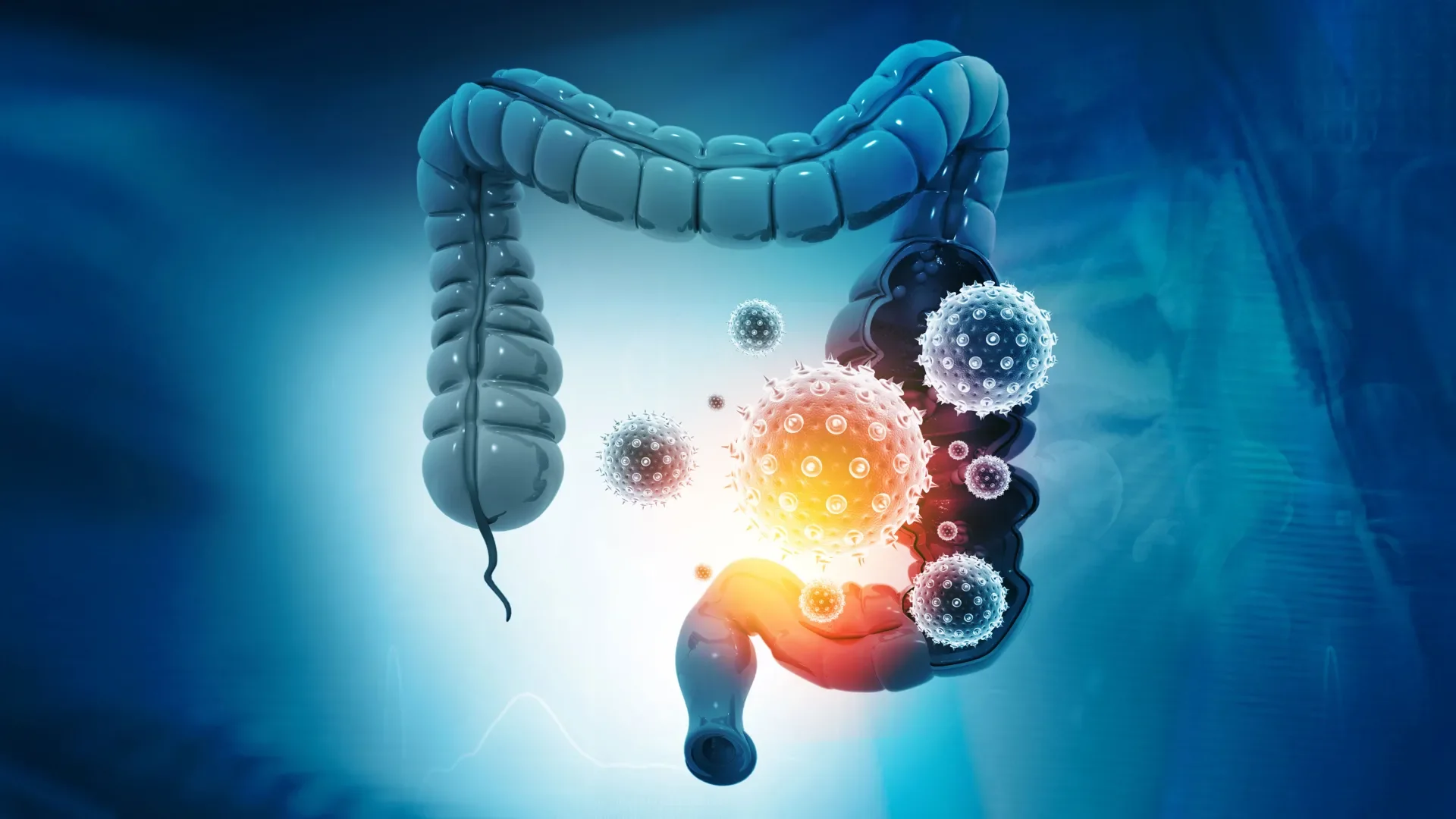
Visualization
A paradigm shift in our understanding of the intricate interplay between gut microbiota and human health has emerged from researchers at the Johns Hopkins Kimmel Cancer Center. Their pioneering work elucidates the role of the common gut bacterium, Bacteroides fragilis, in precipitating colorectal cancer. For nearly twenty years, the medical community grappled with the enigma of how certain strains of this bacterium, which inhabit the intestines of approximately 20% of healthy individuals, could produce a potent toxin responsible for damaging the intestinal lining and inciting tumor formation.
This groundbreaking study, recently published in the esteemed journal Nature, establishes a critical connection between B. fragilis and colorectal cancer by identifying claudin-4 as the essential receptor facilitating the toxin's malignant influence. The research team, spearheaded by Cynthia Sears, M.D., employed cutting-edge CRISPR technology to target and elucidate the genetic foundation enabling the bacterium's nefarious activity.
The crux of the investigation lies in the B. fragilis toxin, known as BFT, which prompts a cascade of pathological events within the colon. Previous studies pointed to the damaging of E-cadherin—an adherens junction protein vital for maintaining epithelial integrity—as a significant consequence of BFT's action. Importantly, while BFT disrupts E-cadherin, the mechanism of its initial binding to cellular targets remained nebulous. Intuitively, researchers speculated on the involvement of a molecular hub capable of mediating this interaction, yet prior attempts to pinpoint such a target yielded no fruitful results.
To penetrate this mystery, Sears and her team utilized CRISPR screens to selectively inactivate genes in colon epithelial cells. This genome-wide approach permitted them to identify claudin-4 as a focal point for the toxin’s initial binding. The specific mechanism was clear: upon deletion of the gene encoding claudin-4, BFT's ability to adhere to colon cells was rendered ineffective, severing its link to the subsequent degradation of E-cadherin.
The revelation marked a pivotal moment in the study, as claudin-4, unlike typical G protein-coupled receptors expected to interact with bacterial toxins, serves primarily as a structural component, bolstering tight junctions that regulate paracellular permeability. This finding underscores an unconventional mode of action employed by BFT, challenging pre-existing paradigms that often considered bacterial toxins as direct aggressors operating without necessitating prior adhesion to host receptors.
To solidify the bond between BFT and claudin-4, the research team collaborated with structural biologists from the Molecular Biology Institute of Barcelona to undertake sophisticated binding assays. Their results unequivocally demonstrated a robust interaction between the receptor and the toxin, with each BFT molecule specifically pairing with a single claudin-4 molecule—a true molecular handshake that facilitates subsequent biological damage.
The identification of claudin-4 not only clarified the mechanistic pathways leading to colorectal cancer but also paved the way for innovative therapeutic strategies aimed at intercepting this bacterial assault. The researchers conjured a novel solution in the form of a molecular decoy designed to mimic claudin-4, effectively luring BFT away from its damaging receptor on colon cells. This decoy functioned as an analogue that, while not facilitating a toxic interaction, competed for the toxin's binding, thus mitigating the potential for cellular injury.
In preclinical studies conducted in collaboration with Min Dong's laboratory at Harvard Medical School, this molecular decoy demonstrated remarkable efficacy in protecting mouse models from the deleterious effects of BFT. By leveraging an interceptive strategy rather than a reactive one, the research introduces a paradigm shift in managing bacterial toxin-induced damage, suggesting that early intervention could prophylactically safeguard the colon’s structural integrity.
Cynthia Sears articulated the significance of these findings with optimism, asserting, "Understanding how bacterial toxins operate—especially one that links them to colorectal cancer—could redefine our approach to detection and treatment of diseases historically linked to gut microbes." This work not only addresses a critical gap in our understanding of microbiome interactions and disease etiology but also exemplifies the capacity of contemporary molecular biology to translate foundational science into tangible health advancements. The promise of this research is furthered by the prospect of translating these findings into practical applications against colorectal carcinogenesis, with the potential to significantly influence future therapeutic endeavors aimed at harnessing the gut microbiome for better health outcomes.