Field: Technology
Scientists unearth the intricate factors behind mosquito attraction to humans
Published | Technical Staff
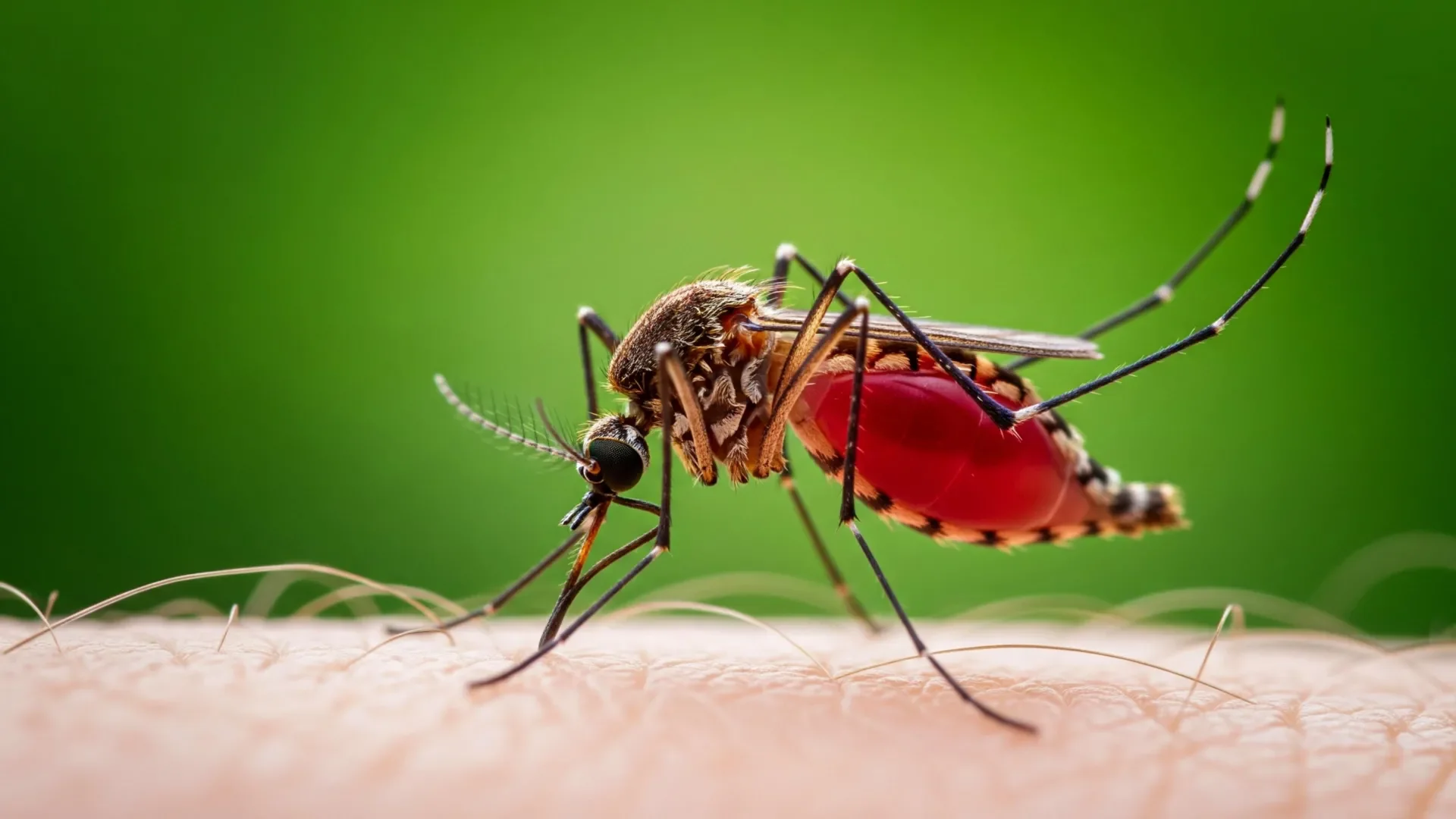
Visualization
A nuanced exploration into the olfactory world of mosquitoes offers groundbreaking insights into why certain individuals are marked as more alluring than others. The recent investigation spearheaded by researchers at Florida International University (FIU) establishes a compelling relationship between human skin chemistry, the microbial ecosystems dwelling upon it, and the predilections of various mosquito species. This knowledge not only challenges long-standing assumptions about universal attractiveness to these pests but also lays the groundwork for potentially transformative approaches in the development of insect repellents.
The research, conducted by a team led by neurogeneticist Matthew DeGennaro and Ph.D. student Kaylee Marrero, focused on three notorious mosquito vectors: Aedes aegypti, Aedes albopictus, and Culex quinquefasciatus. These species are notorious for transmitting a host of diseases such as yellow fever, dengue, Zika, and West Nile virus. As the intricate biological interaction unfolds, it emerges that the unique olfactory signals emanating from human bodies serve as decisive cues guiding each mosquito's feeding behavior.
In a study that encompassed 119 human volunteers, the researchers systematically analyzed how the three mosquito species responded to individual odor profiles. The unexpected revelation that not a single participant attracted all three species highlighted the tailored nature of mosquito preference; each mosquito seemed to gravitate towards specific individuals based on idiosyncratic skin odors. Previous beliefs that one’s smell could be inherently attractive to mosquitoes were evidently simplistic, thus opening doors to well-founded strategies aimed at mitigating mosquito-borne illnesses through optimization of repellent efficacy.
The findings demonstrated a distinct divergence in preferences among the species. Aedes aegypti, known for its daytime activity, displayed a notable affinity for individuals who refrained from using synthetic fragrances and possessed relatively low levels of volatile organic compounds, specifically those whose skin secreted lesser concentrations of identifiable chemicals. Conversely, the Asian tiger mosquito, Aedes albopictus, was particularly drawn to skin exudates rich in ketones paired with plant-like volatiles, such as those emitted during natural activities or certain metabolic states. In contrast, Culex quinquefasciatus, which feeds at night, showcased an acute sensitivity towards the skin microbiome, revealing that certain bacterial communities could augment or diminish attractiveness, heavily influencing feeding behavior.
The intricate interplay of human body odor surfaces as a complex and poorly understood phenomenon; beyond mere sweat, the skin produces over 1,000 volatile organic compounds. This vast and diverse chemical signature is intricately shaped by individual microbiomes—collections of bacteria, fungi, and other microorganisms residing on one’s skin. In the context of mosquito attraction, the study highlights a paradigm shift, illustrating that the body’s microbial composition could serve as an innate attractant or deterrent.
By meticulously cataloging the chemical compounds present on the participants' skin and correlating them with the preferences exhibited by the mosquitoes, the research team embarked on a journey through a fascinating array of olfactory ecology. DeGennaro noted, “The correlation between skin bacteria and odor was striking. It’s evident that our microbiomes curate unique odor signatures that resonate with specific mosquito sensory systems.”
The implications of this work extend beyond mere academia; understanding the preferred chemical signatures of mosquito species can pave the way toward developing highly targeted repellents. Traditional repellents, often developed under the presumption that all mosquitoes are universally attracted to the same olfactory cues, could soon be revolutionized. With acute knowledge of differential attractiveness stemming from varying skin chemistry, future repellents could be tailored to address the prominent species in specific locales, enhancing public health measures against vector-borne diseases.
This research is not just a scientific curiosity; it holds profound public health potential. As communities grapple with the burgeoning threats posed by mosquito-borne diseases, knowledge of which human factors affect attraction can inform localized strategies that align closely with species-specific behaviors. Rather than employing a shotgun approach to repellent use or prevention measures, targeted techniques can ensure better protection where it is needed most.
The nuances of human attraction by mosquitoes encapsulate a microcosm of evolutionary adaptation, underscoring the complex interdependencies that weave through ecological interaction. As science unveils the secrets behind these tiny yet formidable creatures, opportunities arise to harness that knowledge for combating the dangerous diseases they carry, ensuring that the lessons learned lead toward healthier, safer tomorrows.