Field: Technology
Scientists Uncover the Cellular Secrets Behind the Evolution of Smooth and Folded Primate Brains
Published | Technical Staff
Visualization
The evolution of the primate brain presents a fascinating study of size, structure, and functionality, embodying a complex interplay of genetic and cellular factors that yield vastly different neural configurations across species. The most recent findings from the German Primate Center delve into the relationship between brain morphology and neural progenitor cell activity, revealing nuanced mechanisms that govern brain development in common marmosets (Callithrix jacchus) and offering insights into the evolutionary trajectory that shaped the human brain.
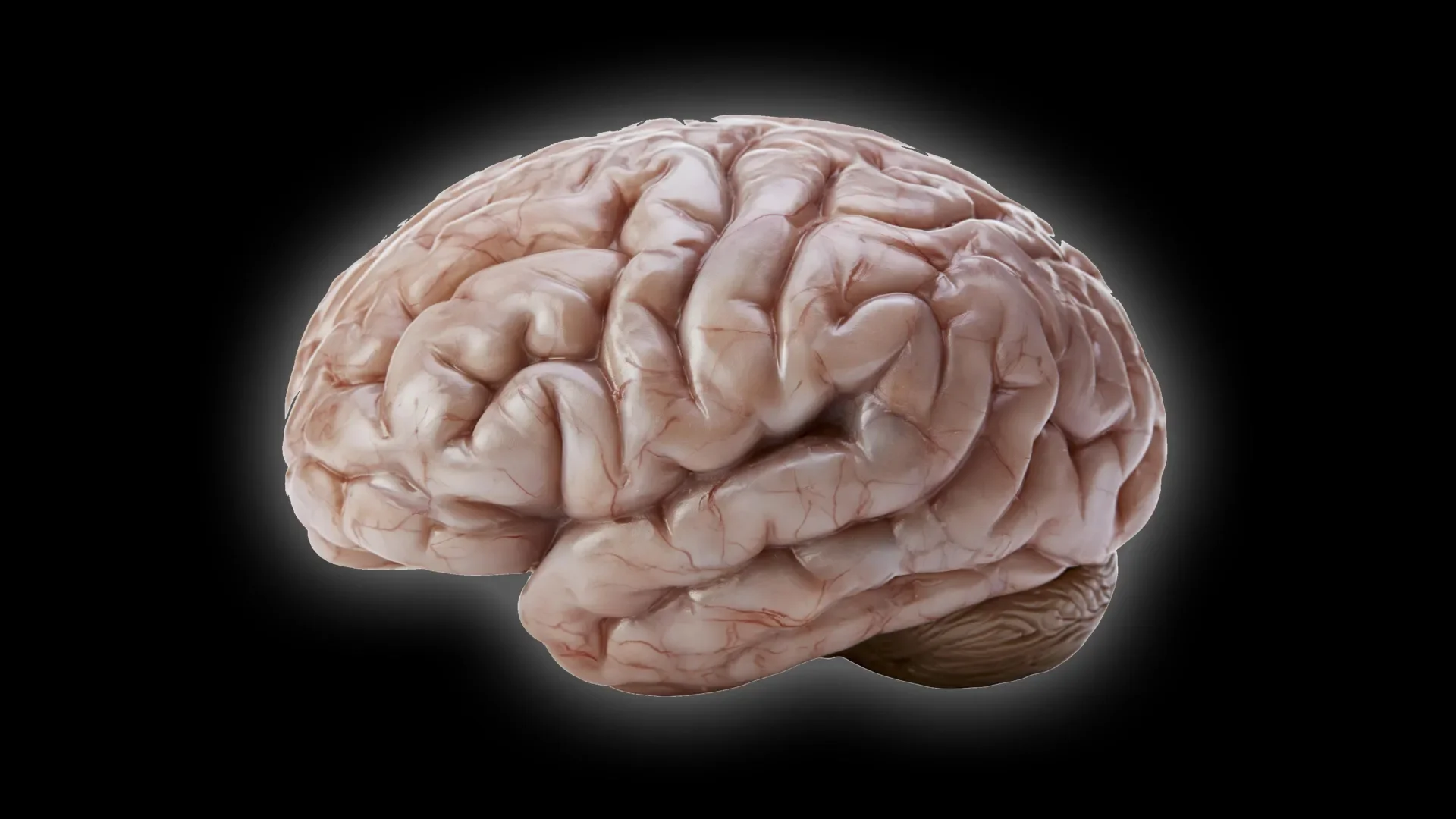
In the animal kingdom, brain structure is a compelling indicator of cognitive capabilities, with the highly folded human cerebral cortex being characteristic of advanced mental processing abilities. Conversely, the common marmoset's brain is remarkably smooth, lacking the extensive folding that augments neural surface area and complexity in larger primates. This intriguing dichotomy raises the question: what underlies this divergence in brain anatomy despite initial similarities during early developmental stages?
Researchers at the German Primate Center embarked on a quest to elucidate the cellular dynamics that contribute to the smooth, small-brained phenotype seen in common marmosets. They started by constructing miniature brain organoids—three-dimensional aggregates of neural progenitor cells that mimic early brain development. By comparing the behaviors of these progenitor cells between common marmosets and humans, the study unveiled a multi-faceted operational difference in neural development.
The pivotal realization emerged as scientists noted that specific neural progenitor cells in marmosets exhibit prolonged cell cycle times relative to human counterparts, thus contributing to a diminished production of neurons. Mathematical models on cellular proliferation reveal that the rate of mitosis (N = N0 * 2^n, where N0 is the initial cell number, and n is the number of divisions) plays a critical role in determining the final neuronal yield; hence, the slower division rate in marmosets culminates in fewer neurons being generated.
Furthermore, the study delineated structural disparities in progenitor cells across species. Marmoset progenitor cells were observed to possess fewer processes compared to those in humans, leading to a lower proliferative capacity—a key factor influencing both the brain's final size and topography. This structural inadequacy, coupled with a shorter temporal window for rapid proliferation of these progenitor cells, restricts overall neuron production, contributing to the lesser degree of cortical folding and a reduced brain mass.
The research methodology elegantly merged robust in vivo and in vitro techniques, showcasing how organoids can reflect significant developmental characteristics found in actual primate brains. Notably, organoids cultured for 50 days mirrored the developmental phase of a natural marmoset brain at 90 days, such alignment ensuring that comparative analyses yielded reliable insights. The examination of fetal brain tissue was also integral for validating key findings derived from organoid studies, confirming a comprehensive understanding of the differences at both cellular levels.
These revelations not only elucidate the unique growth patterns of smooth-brained species but also provide a framework upon which to understand the evolutionary mechanisms that have shaped the diverse array of primate brain architectures. The contrasting modalities of neuron generation and growth provide a glimpse into the adaptive strategies that different species employed to navigate their environments and enhance their survival.
Beyond their evolutionary implications, the findings hold promise for medical science, particularly in the domain of developmental disorders in humans. By decoding the cellular underpinnings of neuron production and brain growth, researchers can develop targeted interventions to address anomalies that arise during brain development. This work sets the stage for future explorations into how such cellular dynamics may contribute to disorders that perturb typical cognitive functioning.
The quest for knowledge about the primate brain's structural evolution reveals more than just a tale of cellular mechanisms; it is a narrative woven into the fabric of adaptability and survival, offering profound insights into the very nature of intelligence across the animal kingdom.