Field: Technology
Scientists Uncover Centuries-Old Viral DNA in Historical Manuscripts
Published | Technical Staff
Visualization
In an unprecedented melding of history and virology, a remarkable discovery has emerged from the pages of ancient manuscripts, revealing virus DNA embedded in the very fibers of parchment used over a millennium ago. This finding, spearheaded by scientists from University College Dublin, investigates the genetic lineage of the sheeppox virus (SPPV), a highly contagious pathogen with a well-documented history spanning more than 3,700 years.
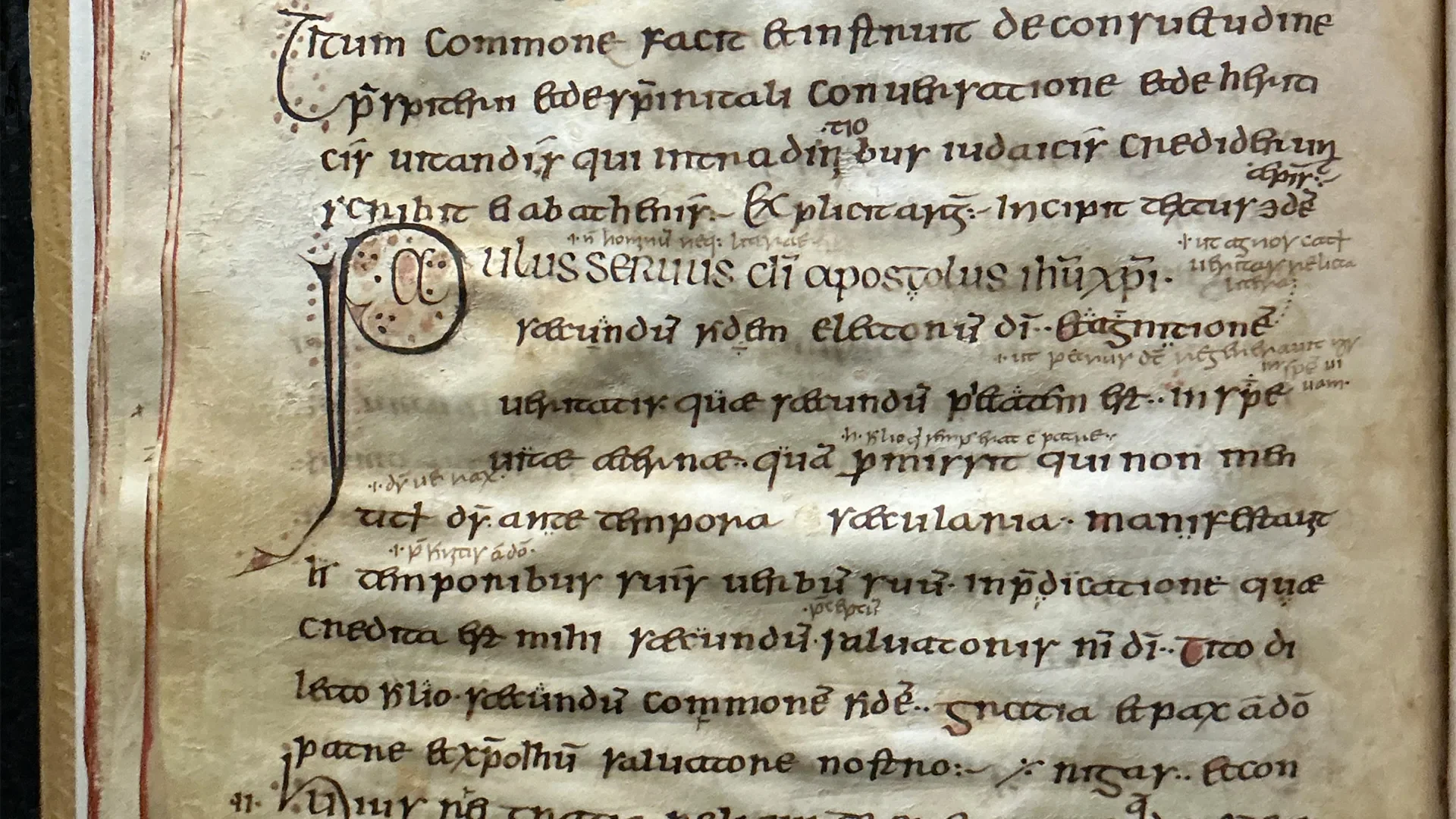
The researchers concentrated their efforts on an extensive array of European medieval manuscripts, notably the illustrious York Gospels, an artifact cherished as one of the pinnacle illuminated texts of the early Anglo-Saxon period. This investigation has unearthed the first survival evidence indicating the longstanding presence of sheeppox within European sheep populations, suggesting that the virus was circulating among flocks long before contemporary records exist. The viral DNA found interspersed within the animal skins of the manuscripts provides a striking revelation; these documents, historically lauded for their cultural ramifications, also function as an unintentional archive of infectious disease.
The team employed genetic sequencing techniques and polymerase chain reaction (PCR) methodologies to detect and analyze viral sequences within the parchment. Conventional parchment, made from meticulously prepared animal hides—often sourced from sheep, goats, and cattle—retains biological remnants that can reveal the health status of the animals before they were processed. Through these advanced techniques, sheeppox virus DNA was identified across several manuscripts, suggesting that infected animals substantially contributed to the production of these historic texts.
In a particularly intriguing development, the identification of viral remnants on parchment derived from calfskin and goatskin raises novel hypotheses about the sheeppox virus's ecological interactions. This disparity provokes contemplation on potential cross-species infection events or the possibility of contamination during the parchment creation process. Louis L'Hôte, a PhD candidate involved in the project, speculated on the broader implications of these findings, asserting that they change our deeply held perspectives regarding the archival potential of historical texts.
The manuscript evidence complements an earlier investigation, wherein the research team traced genetic material from ancient sheep teeth, dated to the Bronze Age, providing a more substantial timeline for the pathogen's impact on livestock. Teeth were employed as biological time capsules, preserving nucleic acid longevity that often eludes other forms of archaeological specimens. The amalgamation of this genetic evidence suggests that the sheeppox virus has been a formidable force among domestic animals for millennia, with significant evolutionary stasis detected within its genome, indicating minimal genetic change despite extensive temporal passage.
The genetic analysis positioned the horizontal lineage of sheeppox and its close relatives—goatpox and lumpy skin disease viruses—diverging approximately between 11,500 and 3,700 years ago. This correlation with early livestock domestication periods suggests that human agricultural practices have inextricably woven the spike of sheeppox into the tapestry of human history—a dual narrative of co-evolution intertwined with the dissemination of pastoralism across Eurasia.
Current assessments reflect the continued threat posed by sheeppox outbreaks, with present incidents reported in Greece impacting agriculture considerably. L'Hôte emphasizes that lessons gleaned from ancient genomic data might provide pivotal insights into contemporary pathogen management, astutely noting the contrast between the genetic stability of the sheeppox virus and the host's adaptive responses over the millennia. This stability may imply that earlier genetic adaptations were crucial in shaping the virus's virulence and effectiveness within its ovine hosts.
This synthesis of erudition and advanced bioscience accentuates how interdisciplinary collaboration can elucidate the effects of historical pathogens on livestock, inviting a broader recognition of the potential hidden within the pages of manuscripts. As the team continues to analyze agricultural archives and libraries, the hope is that even more viral remnants may illuminate the historical landscapes of animal diseases, enhancing our comprehension of how these pathogens shaped socioeconomic conditions throughout history.
In unveiling the sheeppox virus genome as captured within the fabric of cultural relics, this study not only enriches our understanding of the virus's evolution over millennia but also reinforces the critical imperative for thorough informed approaches in contemporary pathogen response strategies. This groundbreaking work provides an important stepping stone in the intricate dialogue between the past and present, forging connections that could influence our future resilience against infectious diseases.