Field: Technology
Scientists uncover a surprising connection between inflammation during pregnancy and autism's origins hidden in the placenta
Published | Technical Staff
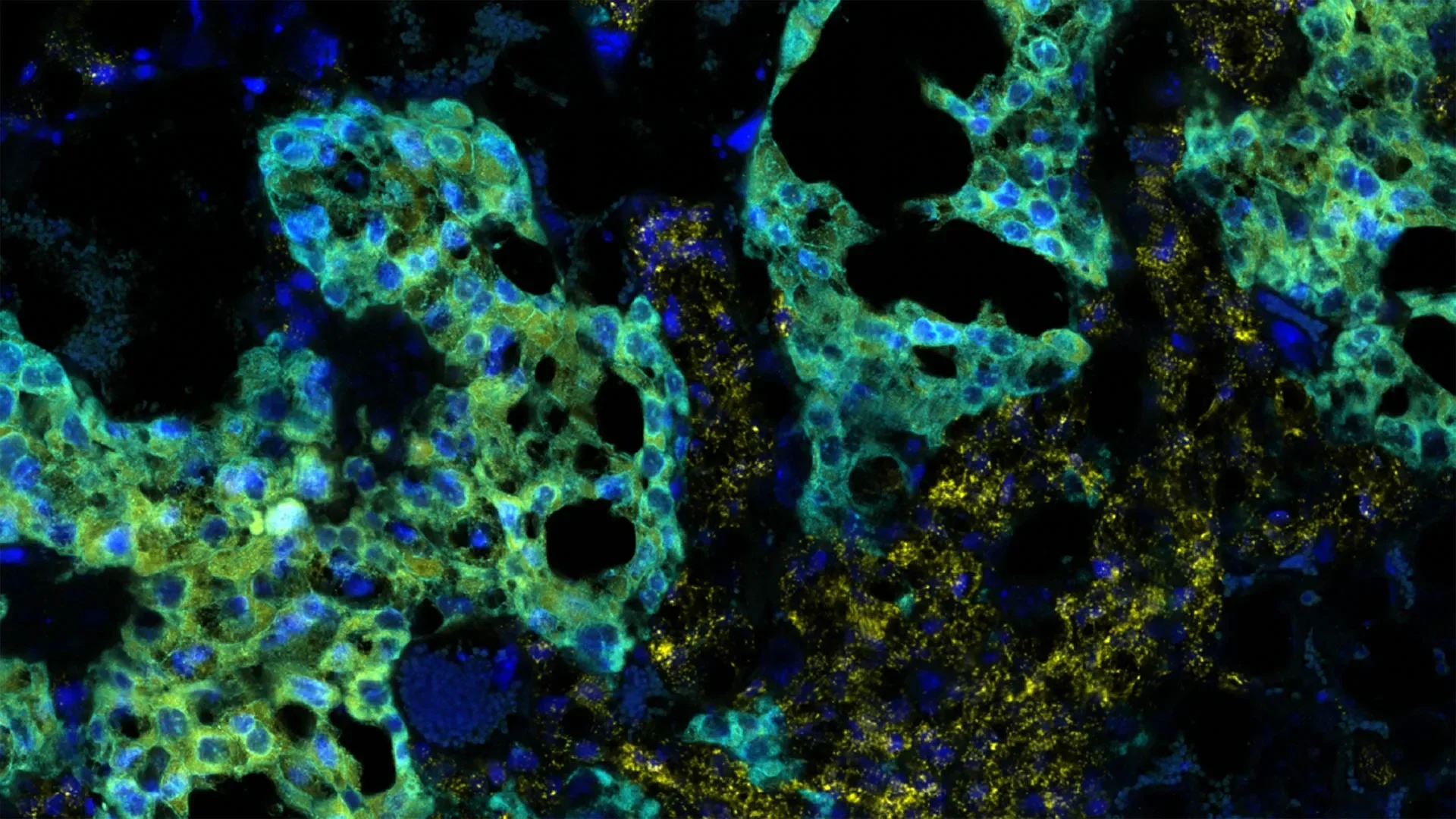
Visualization
In an illuminating study conducted at Cold Spring Harbor Laboratory, researchers have unveiled a significant association between maternal inflammation, placental integrity, and the manifestation of autism-like behaviors in male mice. This groundbreaking research not only poses crucial questions regarding the epidemiological disparities seen in autism diagnoses—particularly the prevalence among males—but also hints at novel intervention opportunities that could emerge from understanding these early developmental mechanisms.
The established consensus underscores that genetics play a pivotal role in the etiology of autism spectrum disorder (ASD), yet emerging evidence continues to delineate the profound impact of environmental factors, notably maternal health during gestation. Ascending to new heights of inquiry, the CSHL team, led by Associate Professor Lucas Cheadle, has urged the scientific community to extend the scope of autism research beyond the confines of the central nervous system. According to Cheadle, "Our work suggests that maternal immune activation and changes within the placenta are a gateway to autism for some unique individuals."
The investigatory journey began with a focus on the immune response during pregnancy and its temporal effects on fetal development. The researchers induced immune activation in pregnant mice using a synthetic substance simulating the immune system's response to viral infection. This method permitted them to circumnavigate the ethical dilemmas associated with live viral exposure while still elucidating the inflammatory consequences.
Through this methodology, it became evident that a critical window of vulnerability materializes around 12.5 days post-fertilization. Intriguingly, this period coincides with the onset of notable developmental milestones, during which nearly one-third of mouse fetuses exhibited significant abnormalities within merely 24 hours of immune activation. This discovery highlights the profound sensitivity of the embryonic stage to external inflammatory signals, particularly manifesting through variable responses in male and female offspring.
The stark contrast between sexes further elucidated a deeper intrigue in the data. Autism-like traits surfaced exclusively in male fetuses while the female counterparts continued their development unimpeded. This finding suggests that the biological pathways conferring susceptibility to autism may operate distinctly across sexes and further explains the overwhelming disparity in autism diagnoses between males and females—who are diagnosed approximately four times more frequently than their female peers.
These observations beckon deeper examination into the foundational biological processes that occur prior to hormonal differentiation. Cheadle notes the unexpected timing of these sex-based differences, which emerge before the pronounced sexual differentiation that the brain and many body systems undergo. This temporal anomaly urges a reevaluation of how neurodevelopmental disorders may be initiated even before the sex-specific hormonal influences typically associated with such developments occur.
To probe the nexus between these observed behaviors and placental function, the researchers turned their attention to spongiotrophoblast cells residing in the placental junctional zone—the interface where maternal and fetal tissues coalesce. An integral function of these specialized cells is to mediate maternal immune tolerance towards the developing fetus, which is genetically distinct from the maternal genotype. The findings illuminated a deleterious effect of maternal immune activation: when the spongiotrophoblasts sustained damage due to inflammatory responses, they compromised their capability to shield the fetus from maternal immune assaults.
These insights prompt a compelling query regarding the apparent resilience exhibited by female fetuses in the face of inflammation. The hypothesis materializes that potential inherent protective mechanisms in the female embryo may fortify it against the adverse effects elicited by maternal immune challenges. In Cheadle's words, "A protective mechanism may exist within the female that could be harnessed to help the male." This consideration not only introduces an avenue for further exploration into how sex-specific biological frameworks may contribute to differential risk levels but also implies promising implications for early therapeutic strategies aimed at neurodevelopmental disorders.
Despite the reliance on murine models, which do not perfectly parallel human biology, the implications of this study reverberate throughout the landscape of ASD research. The placental environment has emerged as a pivotal player in the origins of autism, suggesting that critical fetal development factors may reside within the maternal-fetal unit rather than being solely subjected to genetic predispositions.
Thus, as Cheadle's team posits new questions and prepares to investigate the underlying mechanisms encompassing these observations, the dialogue surrounding autism's multifaceted origins is sure to evolve. Identifying key modulatory factors of immunity and placental integrity may provide unprecedented insights into preventing or ameliorating autism spectrum disorder—transforming this knowledge into actionable strategies within clinical settings. The findings add a crucial layer to our understanding of the very fabric of brain development, ushering in an era where placental health may warrant as much scrutiny as genetics in the quest to unravel the complexities of autism.