Field: Technology
Scientists Uncover a Novel Therapeutic Target to Mitigate Alzheimer’s Brain Damage through Immune Modulation
Published | Technical Staff
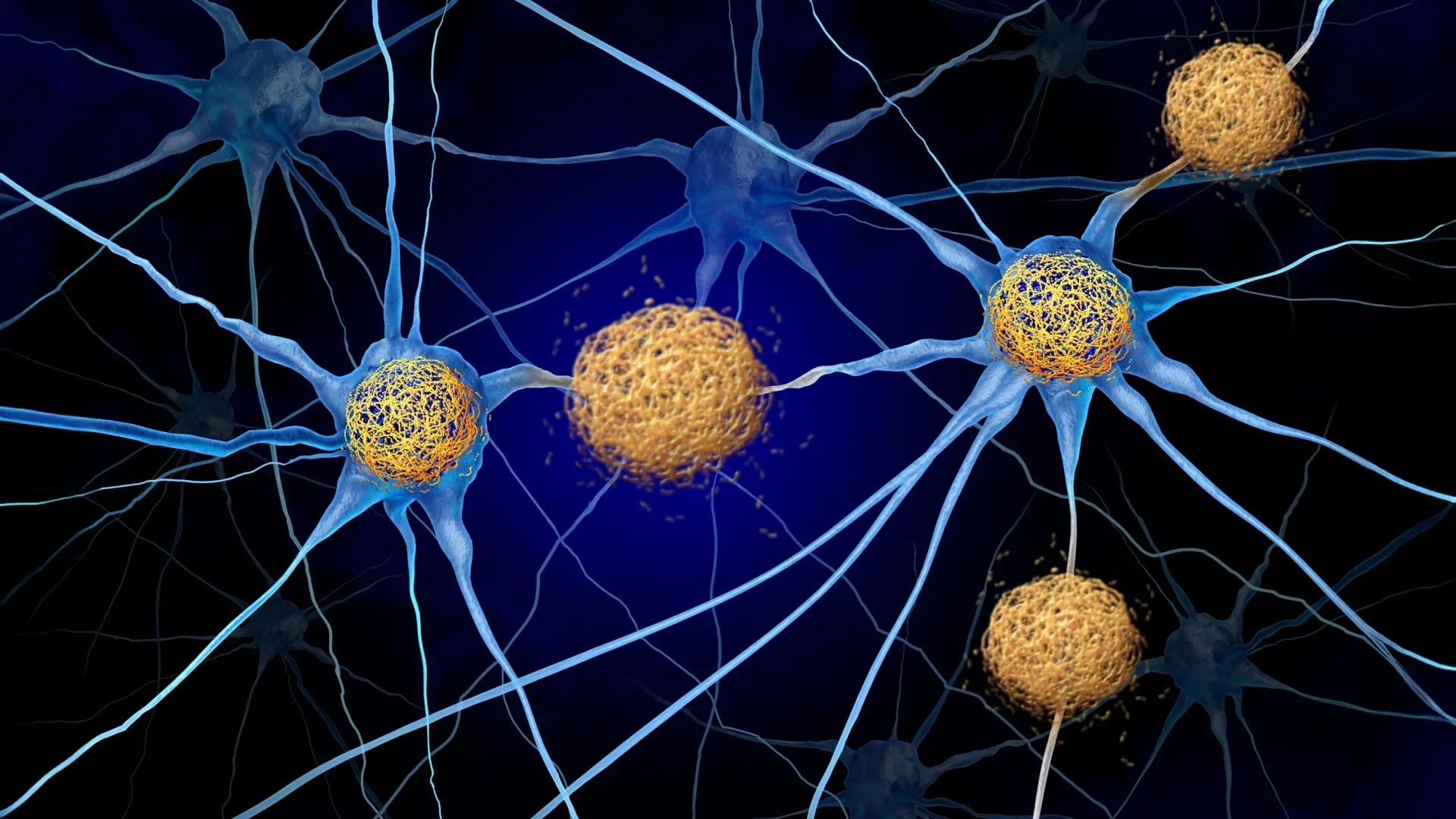
Visualization
In the relentless pursuit of counteracting Alzheimer's disease, a profound shift in approach has emerged from the Washington University School of Medicine in St. Louis. Contrary to the prevailing focus on the removal of toxic tau protein aggregates, researchers have uncovered a transformative strategy that instead targets the brain's immune response, effectively preserving neuronal integrity in murine models. This innovative method not only aims to provide a protective effect against Alzheimer's-related neurodegeneration but does so without directly eliminating the harmful tau buildup, a longstanding focus of therapeutic intervention.
The pathophysiology of Alzheimer’s disease involves the accumulation of tau protein, which forms neurofibrillary tangles and contributes to the degeneration of neuronal fields. Previous investigations have primarily centered on the amyloid-beta hypothesis, leading to the creation of therapies such as lecanemab and donanemab that target amyloid plaques, significant culprits in the pathogenesis of Alzheimer's. While these agents may slow cognitive decline, they have yet to demonstrate efficacy in preventing neuronal death, an essential endpoint in the battle against tauopathies, including Alzheimer's.
Holtzman's research team has illuminated the complex role of the immune system in these neurodegenerative processes. In a pivotal 2023 study, it was noted that activated T cells infiltrate the brains of mice with abnormal tau accumulation, correlating with regions exhibiting significant inflammatory responses. Building upon this foundational knowledge, the researchers delved deeper to elucidate the mechanisms by which these immune cells migrate into the neural milieu. The chemokine CXCL10, elevated in both murine models and human Alzheimer's cases, emerged as a critical signal for T cell recruitment, with the surface receptor CXCR3 on T cells functioning as a vital navigator.
To intervene in this pathological process, the team employed a monoclonal antibody to inhibit CXCR3, thereby obstructing the entry of T cells into the brain. In their experimental model, young mice exhibiting tau pathology were administered the CXCR3 antagonist bi-weekly over a period of three and a half months. The outcomes were striking. Treated subjects demonstrated a substantial reduction in T cell presence—approximately 50%—within their brains, accompanying a remarkable preservation of memory-related tissue; brain regions integral to cognitive function retained roughly 40% more volume compared to their untreated counterparts. In behavioral assays, these mice exhibited superior performance on memory tests, marking a significant advancement in treatment outcomes despite unchanged levels of tau protein aggregation.
This paradigm-altering discovery challenges the notion that tau removal is a prerequisite for neuroprotection. It suggests that modulation of immune responses could sufficiently ameliorate neuronal damage independent of the direct targeting of pathological tau. The implications of this research extend further, hinting at a tangible route for therapeutic intervention that circumvents the formidable blood-brain barrier, which has historically thwarted efforts to deliver drugs targeting the central nervous system. By focusing on immune modulation from peripheral sites, the potential exists to design strategies that address neurodegeneration while avoiding the headaches associated with drug delivery across the blood-brain interface.
While the promise of these findings is tantalizing, it is essential to remain vigilant; translational success hinges upon extensive further investigation to ensure safety and efficacy in potential clinical settings. Holtzman highlighted that existing immunomodulatory therapies, particularly those employed in the management of autoimmune disorders such as multiple sclerosis, may furnish a springboard for developing strategies aimed at diminishing Alzheimer's-associated neuronal decline.
This shift from a purely structural approach to one that embraces the immunological realm heralds a new era in Alzheimer's treatment paradigms. Where prior strategies have stumbled, this emerging narrative advocates for a comprehensive understanding of how inflammatory mediators and cellular immune responses influence neurodegenerative processes. As research continues to unfold, the potent connection between immune pathways and neuronal health may well unlock the door to effective therapies capable of curbing the devastating effects of Alzheimer's disease, steering the scientific community toward a future where preserving cognitive function transcends the limitations of targeting amyloid and tau alone.