Field: Technology
Scientists uncover a hidden driver of high cholesterol and a way to stop it
Published | Technical Staff
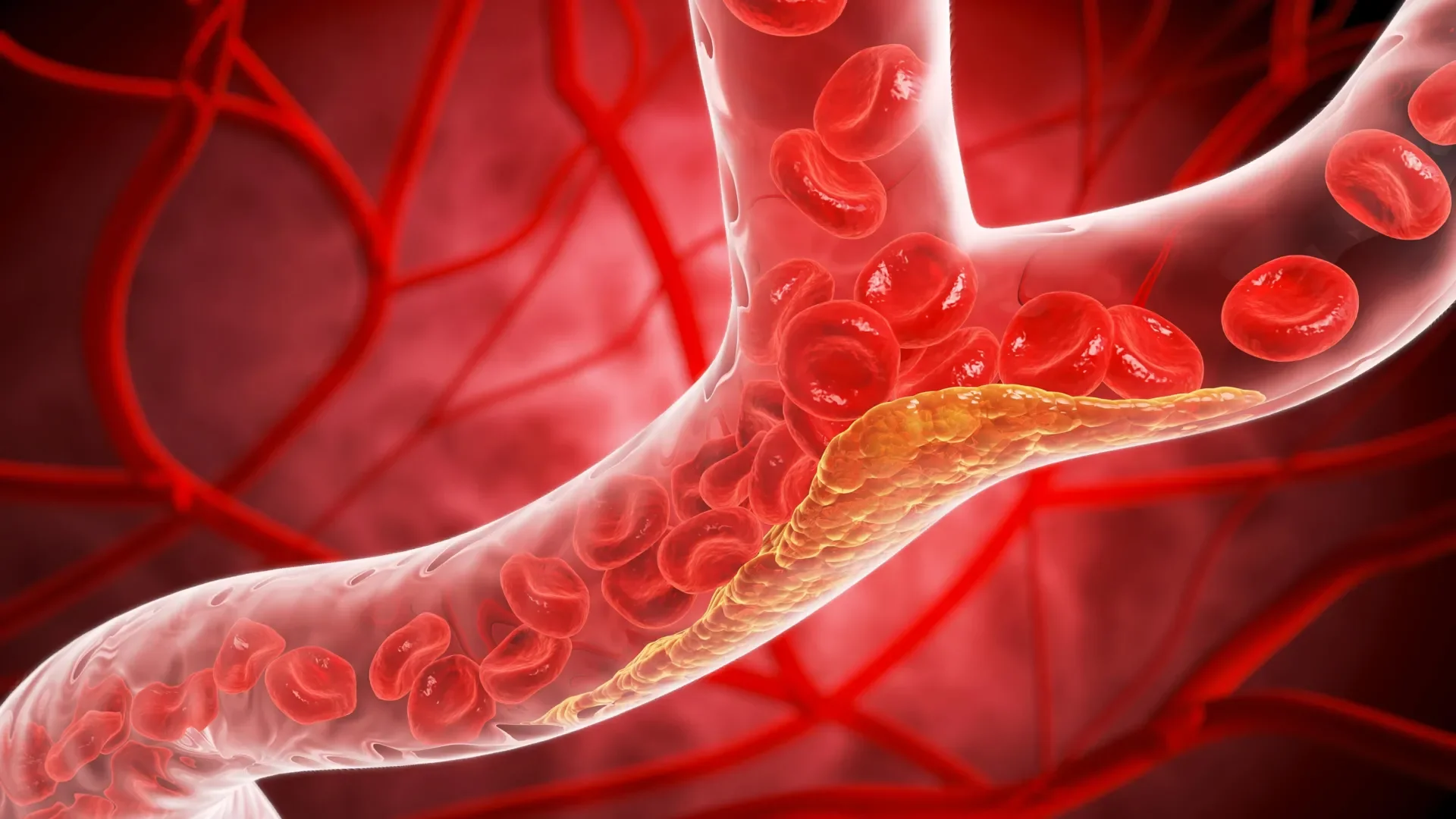
Visualization
Heart disease, predominantly linked to elevated levels of cholesterol, remains the foremost cause of mortality globally, with the challenge of effectively managing lipid levels leading many patients to endure often inadequate treatments. In a groundbreaking study, researchers from the University of California, San Diego, have identified a crucial, previously unrecognized biological mechanism that elucidates the interplay between high-cholesterol diets and the impairment of the body's intrinsic defenses against low-density lipoprotein (LDL) cholesterol accumulation.
At the heart of this revelation lies the liver's pivotal role in regulating cholesterol homeostasis. Hepatic cells utilize LDL receptors—integral membrane proteins that function as docking sites—to extract circulating LDL from the bloodstream. The efficacy of this process directly correlates to the abundance of LDL receptors; increased receptor expression facilitates greater clearance of lipoproteins, a principle that underpins the therapeutic action of statins and PCSK9 inhibitors. By either preserving or enhancing the receptor pool, these medications have proven effective in combating hyperlipidemia.
The research spearheaded by Dr. Alan Saltiel and his team uncovered a nuanced pathway through meticulous experimentation involving both murine models and human cellular systems. The data revealed that a high-cholesterol diet activates Ral, a protein previously studied in the context of adipocyte function, which subsequently triggers a cascade that leads to the degradation of LDL receptors. This degradation compromises the liver's capability to maintain cholesterol at physiologically appropriate levels, effectively establishing a vicious cycle of cholesterol accumulation.
Key to this dysregulation is a specific enzyme known as cathepsin A (CTSA). The findings suggest that CTSA drives the process of LDL receptor turnover, leading to diminished receptor availability. Upon administering a small molecule inhibitor targeting CTSA, the researchers noted a substantial stabilization of LDL receptors, accompanied by a marked reduction in circulating LDL cholesterol levels in mice. This part of the study demonstrated that by inhibiting CTSA, it is feasible to enhance the liver’s capacity to clear harmful lipoproteins from the bloodstream.
This discovery not only expands the existing understanding of cholesterol metabolism but also opens the door to innovative treatment strategies. The newly identified pathway diverges from the mechanisms targeted by currently available lipid-lowering drugs, offering hope for patients who do not achieve therapeutic success with existing treatments. Dr. Saltiel articulates the critical need for alternatives, noting that many patients remain at risk despite being on conventional medication regimens.
What distinguishes this research further is the serendipitous intersection with drug development; the study's lead investigators have identified an experimental drug that acts as a CTSA inhibitor. Originally conceived for the treatment of heart failure, this compound has already navigated the complexities of a Phase 1 clinical trial, demonstrating safety in human subjects. With the groundwork laid, the research team is optimistic about swiftly transitioning into a Phase 2 trial aimed explicitly at assessing the drug's efficacy in reducing cholesterol levels.
While the road to revolutionary treatments is fraught with uncertainty, the proactive reuse of existing pharmacological agents accelerates the potential for innovative solutions in cardiovascular medicine. As Dr. Saltiel emphasizes, the existence of a safe, repurposed drug on the shelf that can be put to test for this new indication represents an opportunity to bring effective treatments to patients much sooner than traditional drug discovery timelines would typically permit.
The significance of this research reverberates through the fields of endocrinology, cardiology, and pharmacology, with co-authors from several renowned institutions contributing to the study. Their collective insights not only advance our comprehension of cholesterol metabolism but also invigorate the discourse surrounding therapeutic options. As the findings continue to unfold—backed by substantial funding from the National Institutes of Health and various research fellowships—the potential for a paradigm shift in the management of dyslipidemia may well be on the horizon. As we await further investigations, the hope of these developments may significantly reshape the landscape of cardiovascular health and treatment efficacy for many patients facing the daunting challenges posed by cholesterol.