Field: Technology
Scientists Uncover a Hidden Defense Against Inflammation, Solving a 30-Year-Old Mystery
Published | Technical Staff
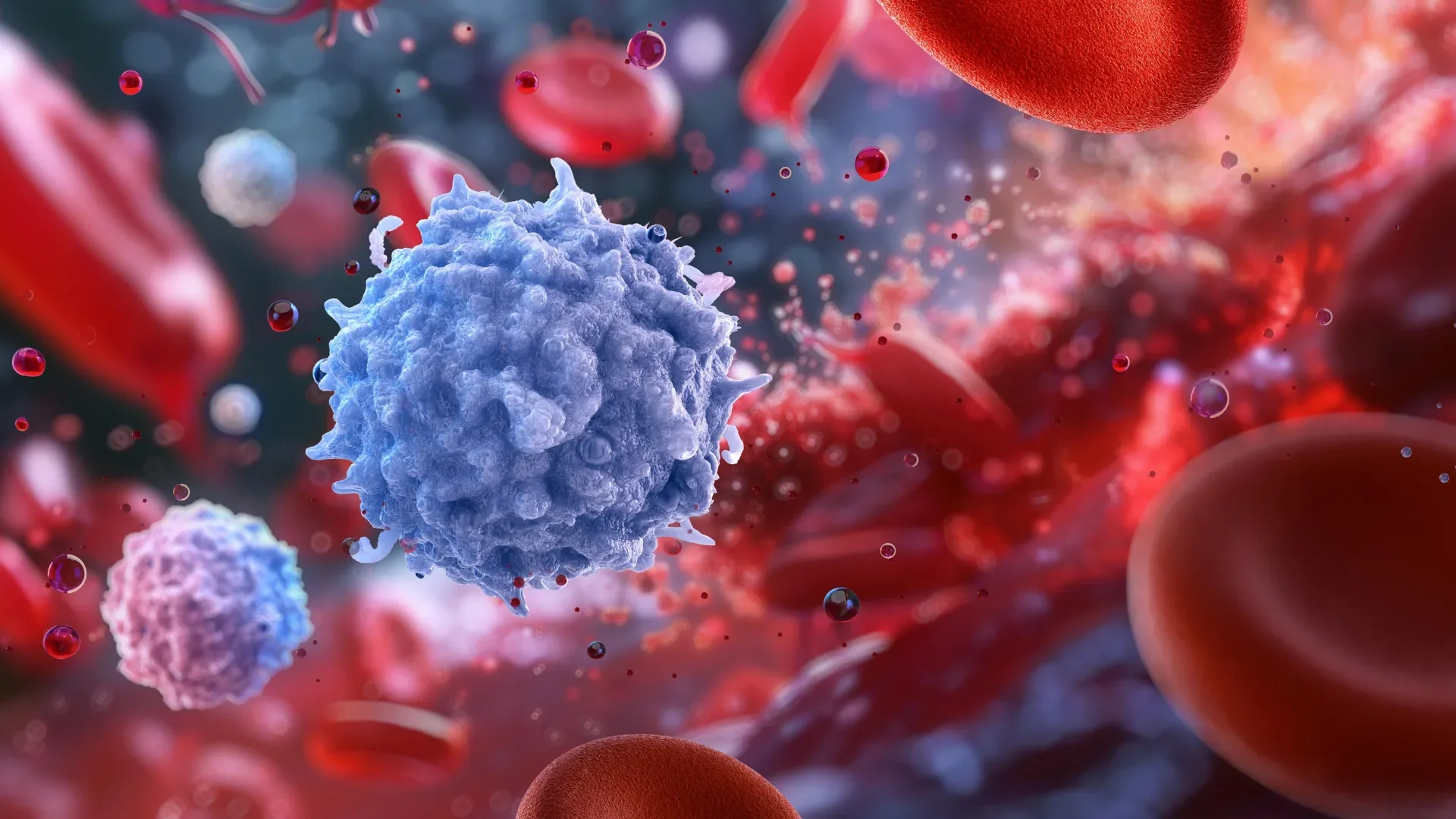
Visualization
In a remarkable leap forward for immunology and therapeutic strategies against inflammatory diseases, researchers at Memorial Sloan Kettering Cancer Center have unraveled a biological enigma that has persisted for three decades. This achievement not only deepens our understanding of inflammation—an essential yet often detrimental response of the immune system—but also opens up potential new avenues for treating cancer, inflammatory bowel disease, asthma, and various other conditions associated with excessive inflammation.
The journey to this breakthrough began in 1992, when scientists at McGill University initiated investigations into a fatty acid signaling molecule known as 5-oxoETE (5-oxo-6,8,11,14-eicosatetraenoic acid). This compound plays a dual role in immune responses: while it serves as a chemical beacon to attract immune cells to sites of infection, its presence can also lead to collateral damage in healthy tissues. The difficulty arose from an enigmatic enzyme capable of both synthesizing and degrading 5-oxoETE, which had eluded identification for years due to an unknown gene responsible for its production.
Recent endeavors led by postdoctoral researcher Yanan Ma, under the mentorship of cell biologist Philipp Niethammer, illuminated new pathways in understanding inflammation and its associated mechanisms. Their innovative shift from traditional mammalian models, primarily mice, to zebrafish—the latter of which is endowed with an intact signaling pathway relevant to 5-oxoETE—enabled unprecedented insights into the cellular dynamics of inflammation. Notably, the zebrafish model maintained essential immune cell receptors absent in rodents, thus facilitating the exploration of 5-oxoETE’s function within a living organism.
Employing a targeted genetic approach, Ma’s team scrutinized potential candidate genes in cultured human cells. By methodically silencing genes suspected of encoding the elusive enzyme, they made a breakthrough discovery. The gene DHRS7 emerged as the critical player; its inactivation resulted in the cessation of the enzyme’s activity. In addition to confirming the function of DHRS7, comparative tests with rodent genetic variants revealed a marked reduction in enzyme activity, consistent with the absence of the 5-oxoETE receptor in murine systems.
This revelation not only resolved the long-standing quandary surrounding the identity of the enzyme linked to the 5-oxoETE signaling pathway but also provided a vital connection between separate research efforts undertaken concurrently within the same laboratory. Notably, this collaborative work, which included research by postdoctoral fellow Miklos Lengyel, demonstrated a surprising and somewhat counterintuitive link to inflammatory processes.
While Ma was focused on elucidating the properties of the enzyme associated with 5-oxoETE, Lengyel explored inflammatory mechanisms in zebrafish models afflicted with colitis. In a striking turn of events, Lengyel disabled the hcar1-4 gene, the zebrafish counterpart of the human OXER1 gene responsible for recognizing 5-oxoETE. Conventional wisdom suggested that eliminating the receptor would diminish the inflammatory response; however, the results defied expectations. The zebrafish exhibited spontaneous intestinal inflammation in the absence of any pathogenic stimulus, hinting at underlying mechanisms of self-regulation gone awry.
In this juxtaposition of findings, the researchers imagined a complex interplay in which the protective signaling conferred by 5-oxoETE operates alongside other regulatory pathways—one that could, under specific conditions, lead to a disruptive cascade affecting tissue homeostasis. Thus, this work unveils pathways not only for understanding immune signaling dynamics but also for potentially harnessing this knowledge in therapeutic contexts.
The implications of such findings extend far beyond theoretical underpinnings. The ability to enhance the body’s natural defenses against inflammatory damage could revolutionize treatment modalities for a spectrum of diseases characterized by unregulated immune responses. As this pioneering research makes strides through rigorous investigations, the near future holds promise for innovative therapies that bolster protective mechanisms while mitigating inflammatory side effects.