Field: Technology
Scientists trick cancer cells into making the drugs that kill them
Published | Technical Staff
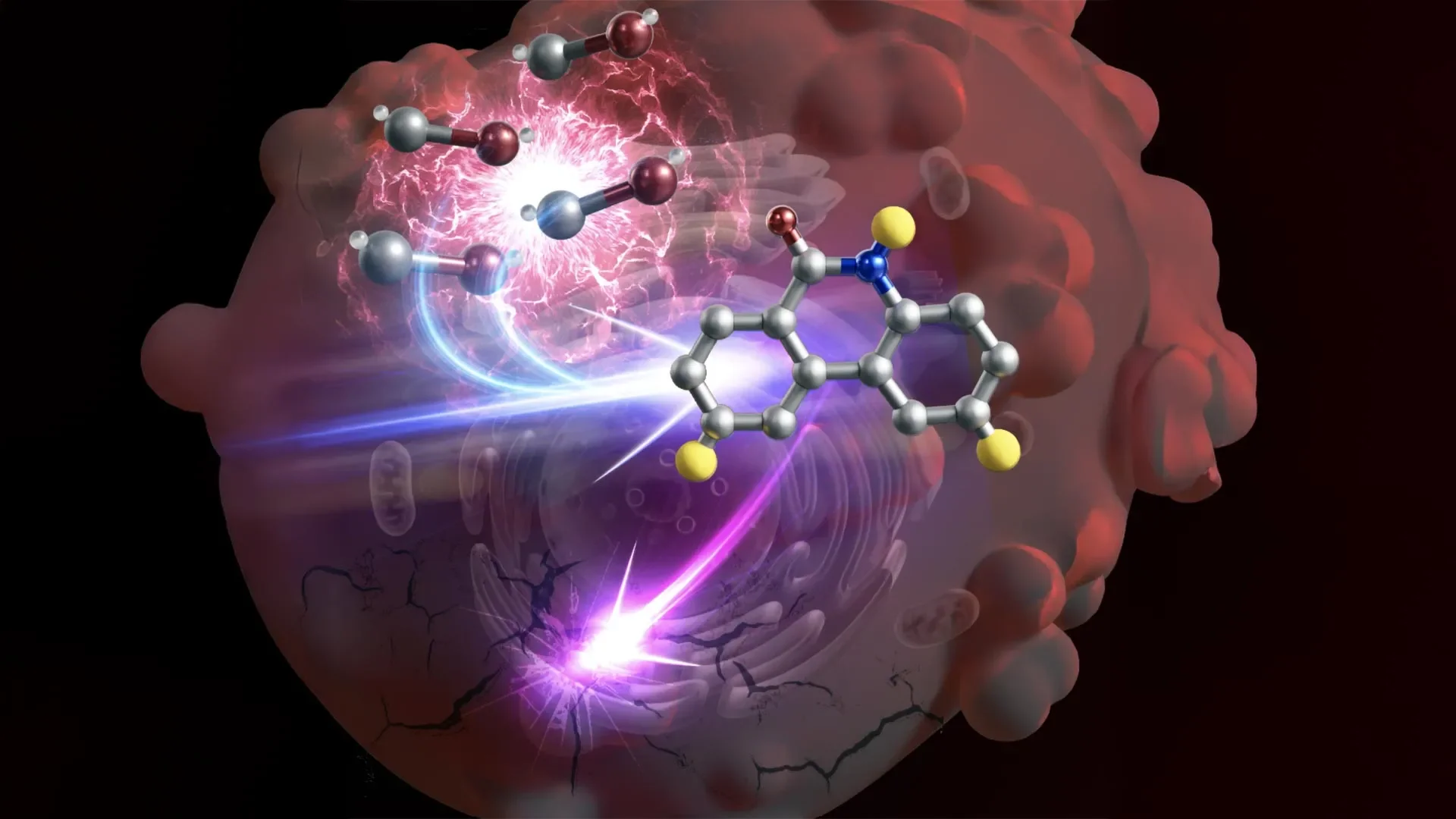
Visualization
A groundbreaking advancement in oncological research has emerged from RIKEN Pioneering Research Institute, presenting a novel cancer treatment strategy that utilizes carbon monoxide—an endogenous gas produced by tumor cells—as a catalyst for in situ drug synthesis targeting malignant cells. The research, orchestrated by Katsunori Tanaka and published in *Nature Communications*, reveals the potential for this innovative methodology to minimize collateral damage to healthy tissues, addressing one of the most substantial drawbacks of traditional chemotherapy.
Cancer cells are notorious for their unique biochemical signatures, one of which includes the overproduction of carbon monoxide. Although commonly regarded as a deleterious gas, this molecule's pathological abundance in tumors provides an unprecedented opportunity: it can serve as a trigger for the synthesis of therapeutic agents specifically within cancerous cells. This experimental approach endeavors to obviate the vexed necessity of systemic drug delivery, potentially rendering treatment regimens less toxic and more efficacious.
Central to this strategy is a class of metal-containing compounds known as palladacycles, which have been adeptly employed to catalyze chemical reactions in biological systems. The premise is straightforward: upon delivery to cancer cells, these palladacycles, protected by an albumin carrier, respond to excess carbon monoxide to produce toxic phenanthridinone derivatives—known for their cytotoxic properties. However, a significant challenge arises due to the tendency of glutathione, an abundant intracellular thiol, to deactivate the palladium catalyst, thereby hindering the intended chemical reaction.
To circumvent this obstacle, Tanaka's team encapsulated the palladacycle within an albumin matrix. This biocompatible shielding not only provides structural integrity during transit through the bloodstream but also fortifies the catalyst’s stability against deactivating agents. Lab tests initiated this intricate process: various palladacycles were screened for their capacity to yield phenanthridinone when exposed to cancer cells from liver, cervical, breast, and lung origins, alongside a nonmalignant cell line serving as a control.
After rigorous exposure to the albumin-palladacycle complex over a 48-hour incubation period, the results were telling. Phenanthridinone was detected in the malignant cell lines but conspicuously absent in healthy counterparts, validating the selective reactivity of the system. This pivotal outcome substantiates the protective role of albumin in shielding the catalytically active metal while inspiring future refinements wherein generated compounds can extricate from the carrier, achieving free movement throughout cancerous cells.
As part of their design, the scientists needed to ensure that unnecessary drug synthesis did not occur in systemic circulation. They were buoyed by findings indicating that carbon monoxide present in the bloodstream binds predominantly to hemoglobin, thereby remaining inert and unavailable for reaction activation until entering targeted cells. This understanding mitigates concerns regarding the production of noxious byproducts prior to reaching their intended sites.
The notion advanced by Tanaka encapsulates a paradigm shift in therapeutic in vivo synthetic chemistry, one rooted in leveraging the body’s intrinsic biochemical milieu to fabricate therapeutic molecules surreptitiously at the locus of pathological activity. With the groundwork laid across cultured cell systems, Tanaka and his team are poised to escalate their investigations into in vivo models in hopes of validating this methodology's efficacy in real biological systems.
If successful, this innovative cancer treatment could redefine therapeutic protocols, leveraging the natural chemical environment of tumors to orchestrate a sophisticated and targeted assault on malignant tissues. Thus, the endeavor not only heralds a new frontier in cancer therapeutics but also exemplifies the profound possibilities rooted in the intersection of chemistry and biology in addressing the complexities of malignancy.