Field: Technology
Scientists Transform Viruses into Effective Weapons Against Antibiotic-Resistant Superbugs
Published | Technical Staff
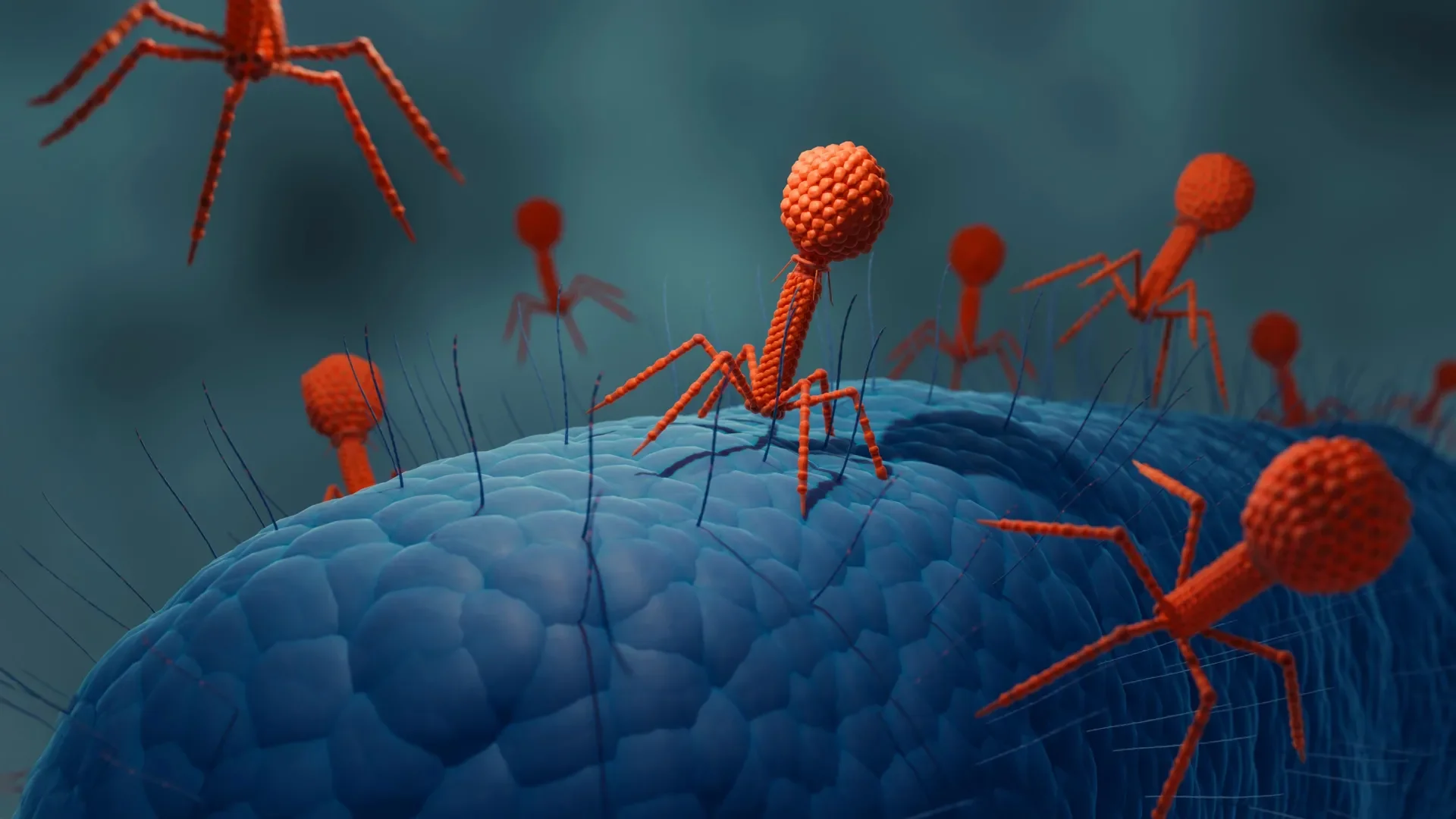
Visualization
In an unprecedented effort to combat the growing menace of antibiotic-resistant infections, scientists are employing a novel strategy that harnesses the natural predatory capabilities of certain viruses known as bacteriophages, or phages. This innovative approach, which focuses on personalized phage therapy, has garnered global attention as researchers seek to unlock new methods for effectively treating harmful bacterial infections that defy standard antibiotic options.
Antibiotic resistance has emerged as a formidable and urgent public health crisis, with an increasing number of bacterial strains evolving intricate mechanisms to evade the effects of conventional drugs. In this context, the use of phages represents a paradigm shift in how clinicians approach bacterial infections. These viruses, which specifically target and annihilate bacteria, offer a potential lifeline where traditional antibiotics fail, leveraging a precisely targeted mechanism that circumvents the broader impact of antibiotics that can disrupt beneficial flora.
Recognizing the need for a structured and systematic application of this methodology, a pioneering international collaboration spearheaded by the German Society for Infectious Diseases has unveiled comprehensive clinical guidelines for personalized phage therapy. In a consensus statement published in *Nature Medicine*, this multidisciplinary team, which includes input from over 20 professional organizations and a cadre of experts, has formulated more than 60 critical recommendations addressing diverse aspects of phage application, from selection and testing procedures to manufacturing protocols and patient monitoring.
The singular nature of each phage, which typically exhibits high specificity for certain bacterial strains, poses both an opportunity and a challenge. Hence, prior to initiating treatment, it is essential to conduct a rigorous "phage match," a process in which the potential phage's efficacy against the infection-causing bacteria is meticulously evaluated. The guidelines assert that these assessments must be expedited, as bacterial populations may alter their susceptibility profiles dynamically during the course of infection.
Preliminary clinical reports are generating optimism for phage therapy. In a Belgian study involving a cohort of 100 patients, a striking 77% reported clinical improvement following phage treatment, with 61% exhibiting complete eradication of the targeted bacterial strains. Although such observational data present a promising tableau, it remains imperative to conduct larger, controlled clinical trials that could substantiate these early findings and establish effusive protocols for patient stratification.
Notably, the intricate interplay of bacteria and phages necessitates exquisite coordination among healthcare professionals, including clinicians, clinical microbiologists, and phage experts. This collaborative approach is paramount for ensuring that the selection and administration of phage therapy are carried out with both safety and efficacy as key priorities.
To facilitate this, the newly established guidelines advocate for a comprehensive framework comprising consistent testing methodologies and collaborative inter-laboratory communication. This framework includes the establishment of registries for systematic documentation of treatment cases, a critical data aggregation effort that will enable researchers to dissect clinical outcomes and optimize therapeutic efficacy.
Dr. Annika Claßen, a leading proponent of the guidelines from the German Center for Infection Research, underscores the importance of establishing quality criteria for phage production as pivotal to ensuring reliable therapeutic outcomes. As institutions begin to integrate these guidelines into clinical practice, notable strides are already being made. At the Frankfurt University Medical Center, for instance, a pilot program has successfully treated ten patients using bespoke phage therapies tailored to the pathogens identified in each case. Notable pathogens treated in this program include *Pseudomonas aeruginosa*, a notorious microorganism linked to nosocomial infections that poses significant challenges for treatment.
As the scientific community continues to explore the therapeutic potential of phages in the ongoing battle against antibiotic-resistant superbugs, one thing becomes evident: the fusion of virology and clinical microbiology may very well usher in a new era of infection control strategies. Given the complexity and specificity of phage interactions with bacteria, the rigorous application of personalized phage therapy may not only offer hope to patients facing dire circumstances but also rekindle broader implications for the future of antimicrobial treatment paradigms in a post-antibiotic world.