Field: Technology
Scientists reverse liver cell aging and cut Alzheimer’s-linked protein in half
Published | Technical Staff
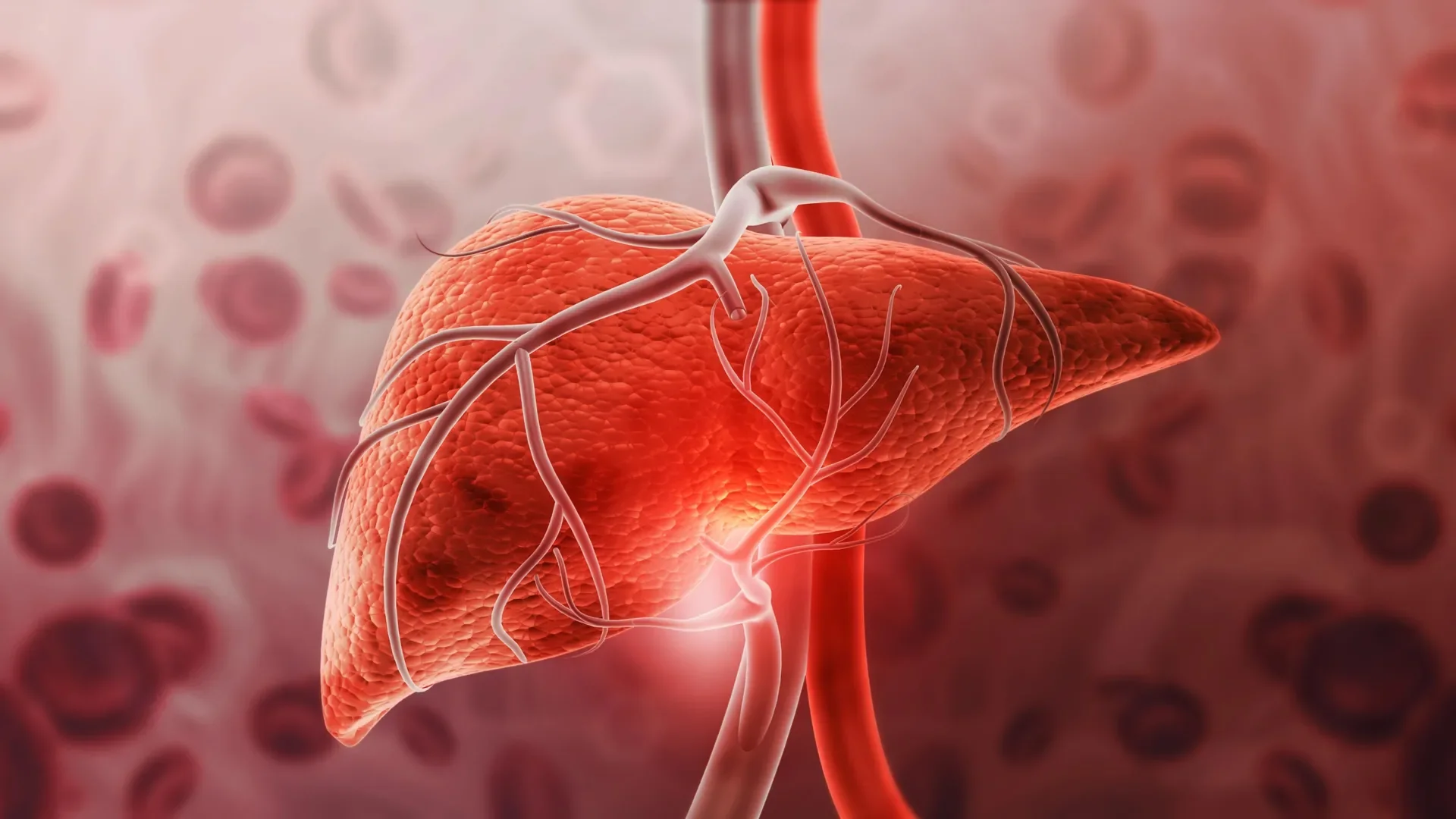
Visualization
A paradigm shift in our understanding of age-related diseases may be on the horizon, establishing a novel link between liver rejuvenation and the mitigation of Alzheimer's disease and cardiovascular risks. Research conducted by the Keck School of Medicine of USC has unveiled that an experimental pharmacological agent, cinaciguat, can effect significant rejuvenation in liver cells of aging rats. In a compelling demonstration, the treatment not only halved levels of amyloid beta—a protein whose aggregation is central to Alzheimer’s pathology—but it also restored levels of low-density lipoprotein (LDL) cholesterol to those typically seen in youthful specimens.
The liver's role extends beyond mere metabolic processes; it serves as a pivotal organ for the filtration of blood and the detoxification of potentially pathogenic substances. Convincingly, the study published in the Journal of Biological Chemistry posits that rejuvenating the hepatic system could yield therapeutic avenues to combat debilitating diseases such as Alzheimer's and heart disease—two afflictions that escalate markedly with advanced age.
Key insights were garnered by meticulously examining liver sinusoidal endothelial cells (LSECs), a specialized group central to the liver’s filtering capacity. These endothelial cells possess a unique morphology, characterized by numerous fenestrations that resemble a sieve, permitting larger macromolecules to traverse to the hepatocytes, which perform the essential task of bio-cleansing. Aging, however, intricately modifies their architecture; the pores of LSECs shrink or even occlude, subsequently stymieing the liver’s detoxification efficiency. This alteration is particularly detrimental to molecules such as amyloid beta, known to accumulate and precipitate the hallmarks of Alzheimer's.
In a controlled experiment, aged rats were administered cinaciguat over a definitive two-week period, following which blood components were scrutinized in comparison to age-matched and younger control groups. The findings were revelatory. Not only did cinaciguat restore the structural integrity of LSECs, reopening their integral fenestrations, but it also enhanced their capacity for clearing amyloid beta from circulation. The concentration dropped significantly, about 50%, achieving levels synonymous with younger rats. Encouragingly, the untreated cohorts did not reveal any comparable enhancements.
What is particularly illuminating is that the study yielded an unexpected reduction in LDL—a lipid implicated in atherogenesis. Initially, LDL was merely included as a comparative metric. Researchers hypothesized that since LDL is sufficiently small to traverse endothelial barriers without LSEC involvement, cinaciguat would exert minimal influence on its levels. However, results demonstrated a notable decline in LDL among the treated subjects, prompting researchers to unravel the complexity beyond mere hepatic filtration.
Central to this revelation is a newly elucidated communication cascade between LSECs and hepatocytes. Upon treatment with cinaciguat, LSECs activated soluble guanylate cyclase, instigating a signaling pathway that stimulated the secretion of heparin-binding epidermal growth factor (HB-EGF). This biomolecular interaction catalyzed a series of morphological changes in the hepatocytes, enhancing their ability to attract and metabolically process both LDL and amyloid beta. The interplay between these two hepatic cell types underscores the importance of intercellular signaling in restoring hepatic function, which had been assumed compromised solely due to structural decay.
These findings not only challenge existing paradigms concerning the singular role of the brain in neurodegenerative diseases but also underline a visceral link between hepatic health and cognitive function. Given that conventional Alzheimer's therapies have been met with dismal efficacy—an alarming 98% failure rate in clinical trials—targeting the liver offers a refreshing alternative strategy for therapeutics. The implications of rerouting treatment modalities to focus on this organ may circumvent the formidable challenge posed by the blood-brain barrier, a protective mechanism that limits pharmacological intervention.
Moving forward, the salient challenge will rest on translating these promising outcomes from rodent models to human physiology. As the correspondence author, Laurie DeLeve—professor and vice chair for scientific affairs within the USC Department of Medicine—noted, the path to clinical application will necessitate rigorous translational research. The existing epidemiological correlations between aging, liver dysfunction, and the onset of Alzheimer’s and atherosclerosis lend credence to the hypothesis that enhancing liver health could indeed be a critical axis in the fight against two of our most pressing public health concerns.
Moreover, this research highlights an intricate dynamic within the organ systems—a symphony of cellular interactions that merits further investigation. As we inch closer to a deeper understanding of these relationships, scientists are poised to illuminate pathways newly defined in the intersection of liver function and aging-related disease, fostering hope for the development of more effective therapeutic strategies in the future.