Field: Technology
Scientists Identify a Repertoire of Diets Linked to Slower Biological Aging
Published | Technical Staff
Visualization
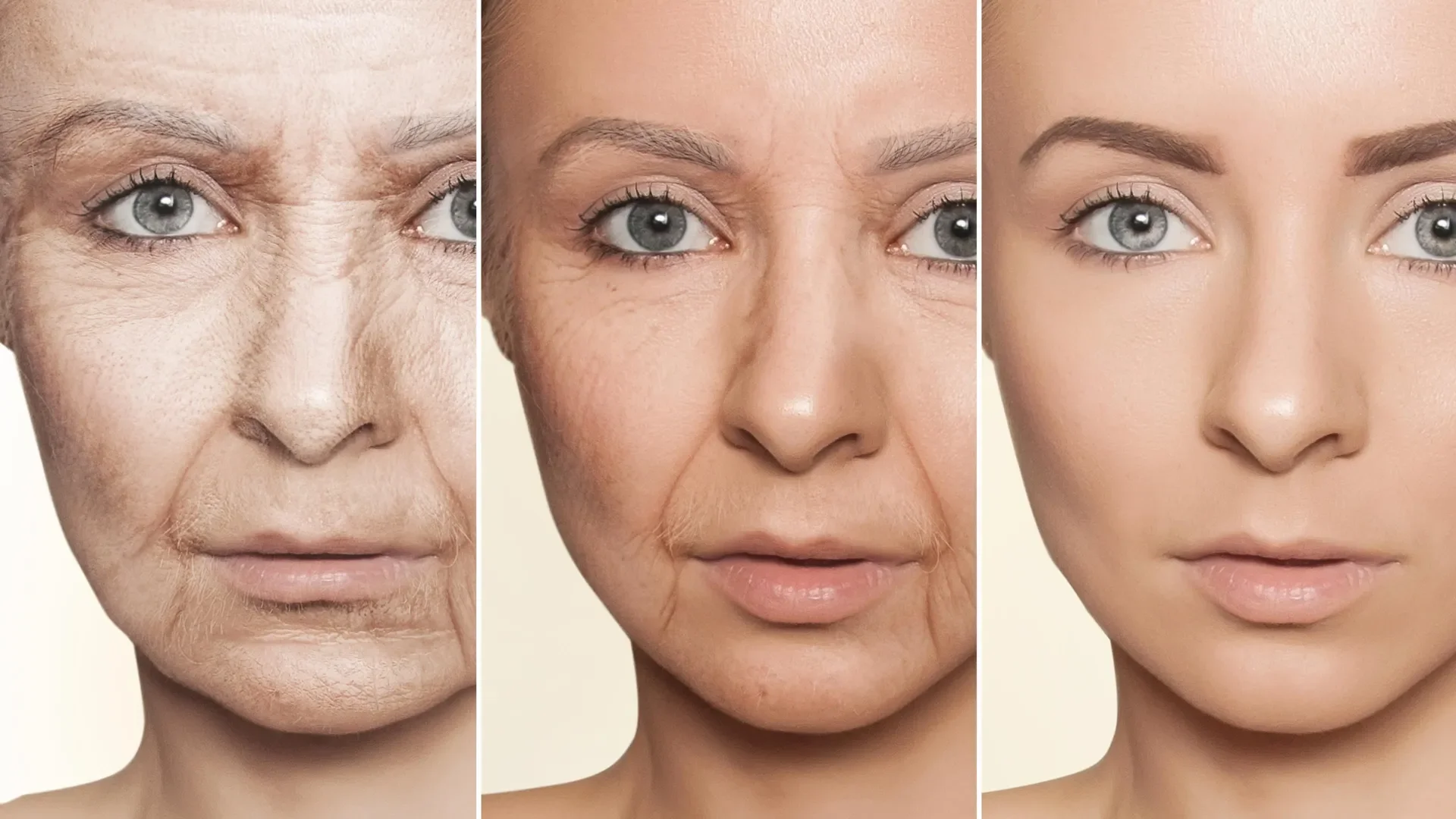
In a pioneering study conducted by the German Center for Neurodegenerative Diseases (DZNE), a team of researchers has uncovered compelling evidence suggesting that diverse dietary patterns can significantly influence the rate of biological aging, as indicated by changes in DNA methylation profiles. This research, which encompasses approximately 7,500 participants, reinforces the notion that there exists no singularly 'correct' approach to healthy eating, but rather a variety of dietary strategies that may all confer substantial benefits for aging.
The investigation systematically analyzed ten established diets recognized for their health benefits, including the Mediterranean, Nordic, plant-based regimes, and the DASH diet specifically formulated to reduce hypertension. The findings, published in Nature Communications, reveal that adherence to these varying dietary practices is consistently correlated with slowed biological aging—a process quantifiable through specific epigenetic markers.
The research hinged on measuring "biological age," a variable far more intricate than mere chronological age. Rather than simply counting years, the study looked into the extent and nature of DNA methylation, where chemical modifications on DNA appear to act as a biological clock, reflecting an individual’s true physiological status and susceptibility to age-related diseases. Utilizing advanced methodologies, the DZNE team leveraged three different formats of epigenetic clocks, enabling a comprehensive analysis that covered an astounding 850,000 methylation sites—approximately twice the scope of prior investigations.
Participants’ dietary habits were meticulously evaluated against established nutritional guidelines associated with each of the ten diets. By quantifying adherence through scoring mechanisms tailored to distinct dietary characteristics, researchers found that many individuals ranked high on one nutritional framework while scoring lower on others, illustrating the multifaceted nature of healthy eating. Indeed, it was revealed that less than a fraction of participants simultaneously met the criteria of all ten diets.
Despite the variability in how participants aligned with specific dietary patterns, the overarching trend remained consistent: greater adherence to any one of the ten diets correlated positively with reduced biological aging markers. While some dietary patterns demonstrated notably stronger affiliations than others, it is critical to interpret these differences within the context of their overall modest scale—suggesting a collective advantage associated with healthy eating practices rather than a defining superiority of any one diet narrative.
Among the intriguing outcomes of the research was a significant finding regarding smokers. The association between healthy eating and slower biological aging proved to be more pronounced in individuals who smoked, despite their generally poorer dietary habits. This surprising result may indicate that smokers, burdened by the deleterious effects of tobacco use, stand to gain a larger relative benefit from dietary improvements, underscoring the complex interplay between lifestyle choices and health outcomes.
Delving deeper into the molecular underpinnings of these dietary influences, the study examined shared biological pathways across the ten diets. Remarkably, over 70% of the pathways linked to slowed aging were consistent among all meal plans. These pathways encompass critical biological functions, including cellular structure maintenance, intercellular communication, and metabolic regulation—key processes in both aging and chronic disease development. Distinct pathways surfaced reflective of diet-specific objectives; for instance, the DASH diet highlighted routes pertinent to cardiovascular health, while the MIND diet aligned with cognitive enhancement.
As researchers contemplate the implications of these findings, they affirm that one does not require a universally “perfect” diet to reap the benefits of healthier aging. Instead, the evidence advocates for a flexible understanding of nutrition—embracing personal preferences, cultural practices, and individual health needs. With targeted dietary interventions and a focus on the common biological mechanisms elucidated through this study, future research could pave the way for tailored nutrition plans that address both chronic conditions and the biological spectrums of aging.
In essence, the findings delivered not merely a validation of the vital relationship between diet and aging but opened a dialogue on the diverse manifestations of healthy eating. This discovery invites a broader conversation about nutrition's role in wellness, longevity, and the potential for personalized dietary approaches in mitigating the impacts of aging on human health.