Field: Technology
Scientists have discovered stunning new Amazon fish that may already be endangered
Published | Technical Staff
Visualization
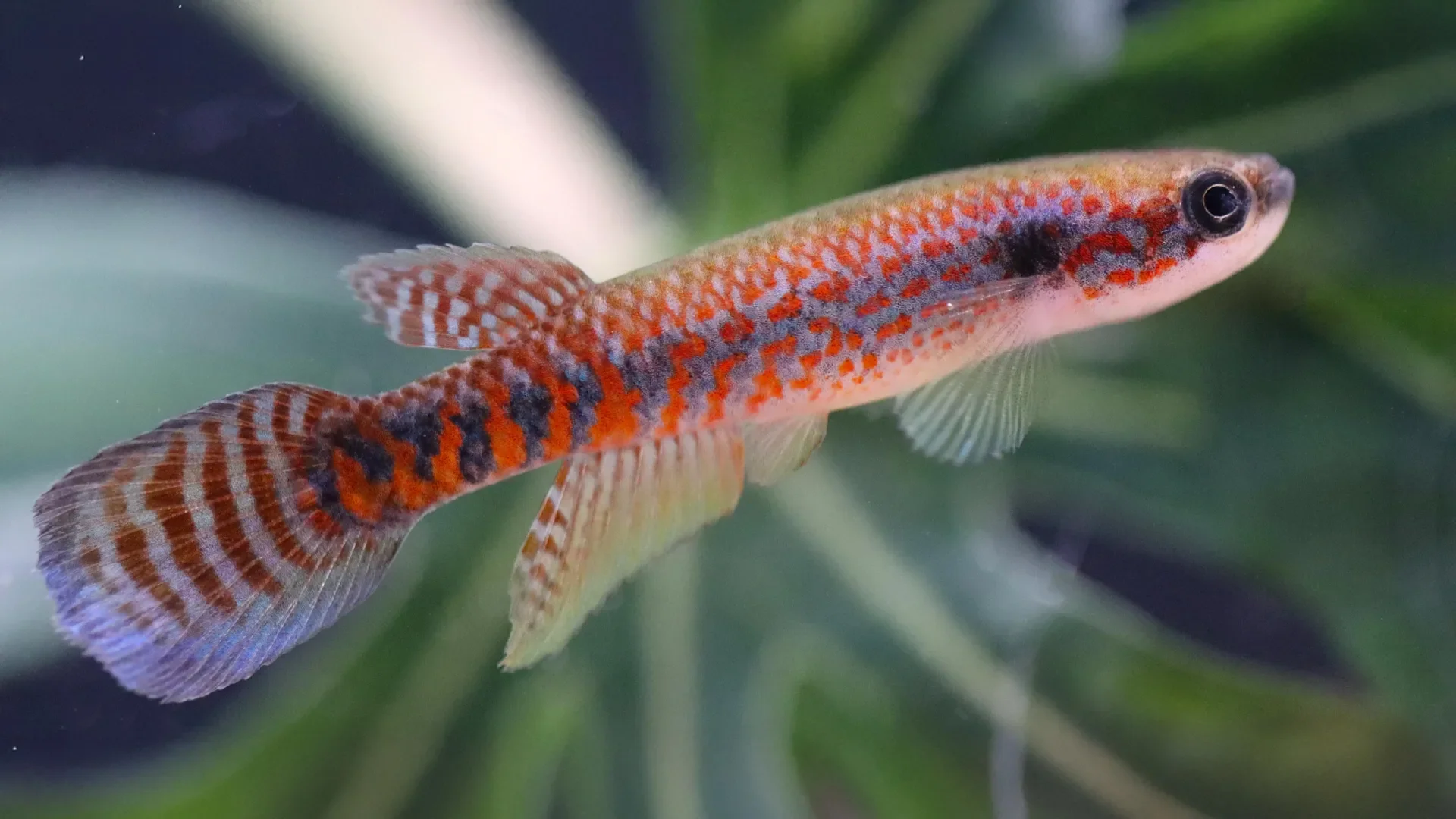
In the uncharted depths of Brazil's Amazon rainforest, researchers have unveiled a remarkable chapter in the narrative of biodiversity, spotlighting a new species of killifish that encapsulates the vibrant yet precarious state of this irreplaceable ecological treasure. The fish, tentatively christened Laimosemion laranja, captures the imagination not only for its striking orange patterning but also for the grim reality of its habitat and the dire threats it faces from human activity.
Laimosemion laranja, with a diminutive size of less than three centimeters, quickly captured the attention of scientists upon its discovery in the Rio Cajari drainage of Amapá. Fieldwork conducted by a collaborative team comprising experts from the Universidade Federal do Rio Grande do Norte, Instituto Peixe das Nuvens, Universidade Federal do Pará, and the University of West Florida shed light on the incredible diversity found within the Rivulidae family, to which this new species belongs. It is during the exploration of small waterways known as igarapés that this extraordinarily colored fish was first observed.
Upon initial encounter, the male Laimosemion laranja displayed an array of brilliant orange spots and chevron patterns against a subdued gray backdrop. However, determining its novelty required a meticulous examination of its morphological and genetic characteristics. Researchers delved into a comprehensive analysis that involved measuring body proportions, quantifying scale counts, and evaluating skeletal features. This data was then juxtaposed with established species to ascertain its uniqueness.
The culmination of this elaborate analysis included mitochondrial DNA sequencing, which ultimately verified that Laimosemion laranja was indeed a previously unclassified species. Lead researcher Yuri Abrantes articulated the significance of this finding, noting that it emphasized the richness and the still largely unexplored biodiversity of the Amazon Basin. "This exploration not only enriches our understanding but also highlights the urgency for conservation in increasingly vulnerable areas of our planet," he stated.
Significantly, the naming of the species—Laimosemion laranja—serves dual purposes: it underscores the species’ notable coloration, as "laranja" translates to "orange" in Portuguese, and it also pays homage to the locality, Laranjal do Jari, where it was found. Such nomenclature reflects a desire to create a connection with both the fish and the local residents who share the environment.
Adding depth to its already intriguing biology, members of the Laimosemion genus are known for their extraordinary adaptations to ephemeral habitats. They possess the ability to suspend their developmental processes as embryos in response to the depletion of their aquatic environments, a phenomenon that is essential for their survival in the often harsh and fluctuating conditions of the Amazon. Abrantes remarked on Laimosemion's evolutionary significance within Rivulidae, indicating that it represents one of the five independent evolutionary pathways that have adapted this remarkable annual life cycle.
However, the jubilation surrounding the discovery is marred by concerns regarding Laimosemion laranja's tenuous existence. The species has so far been located solely within three small forest pools, all of which are under increasing threat from anthropogenic pressures. Deforestation, mining operations, and urban development are encroaching upon these delicate habitats, with one pool heavily contaminated by sediment influx from nearby mining, and another enveloped in urban waste pollution. The limited geographical distribution, estimated at a mere 25 square kilometers, places Laimosemion laranja at significant risk, qualifying it for classification as Endangered according to the International Union for Conservation of Nature (IUCN) guidelines.
In light of these alarming threats, researchers have proposed an initiative to expand the boundaries of the adjacent Rio Cajari Extractive Reserve to safeguard the delicate environments crucial to the survival of this new species. The discovery of Laimosemion laranja serves as both an enlightening contribution to the field of ichthyology and an urgent reminder of the critical need to protect the vulnerable ecosystems of the Amazon, which remain largely uncharted and increasingly disregarded.
The implications of this discovery reverberate far beyond the confines of taxonomy; they resonate with the ethical imperative of conservation in regions that harbor irreplaceable genetic diversity. Without dedicated and immediate conservation efforts, unique species such as Laimosemion laranja may face extinction before biologists have even begun to fully understand their role within the intricate web of Amazonian life. As researchers continue to unravel the complexities of biological diversity in this breathtaking region, the fight to preserve its myriad inhabitants is far from over, underscoring the adage that every species, no matter how small, plays an indispensable role in the greater ecosystem.