Field: Technology
Scientists Find Surprisingly Little Evidence that Medical Cannabis Helps You Sleep
Published | Technical Staff
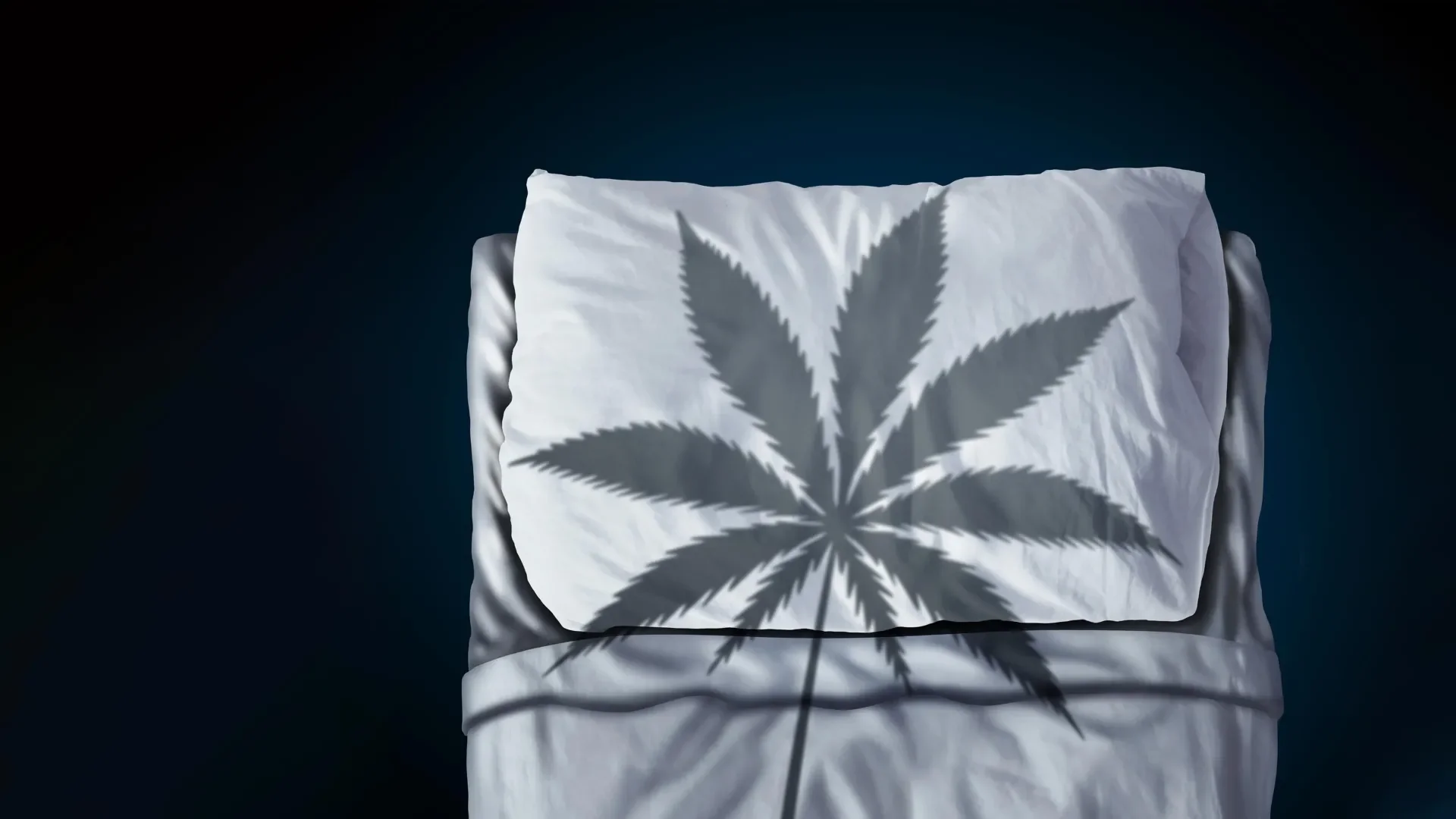
Visualization
A systematic review led by researchers from The Cochrane Associate Centre casts a critical gaze on the growing conviction surrounding the efficacy of medical cannabis as a treatment for insomnia. Despite the increasing prescription of cannabis for sleep-related disorders, the data supporting its use remains strikingly thin and riddled with uncertainty. This recent analysis, encompassing a total of nine clinical trials involving 537 adults aged between 18 and 76, elucidates many of the foundational issues that plague current research on cannabis and its purported sleep benefits.
Insomnia, characterized by difficulties in initiating or maintaining sleep, impacts millions globally, precipitating a wide array of comorbidities, including anxiety and depression. Conventional therapies—such as cognitive behavioral therapy (CBT) or pharmacological interventions like antidepressants—are not universally effective. This inadequacy has spurred interest in alternative remedies, notably medical cannabis.
Previous studies have examined the psychoactive tetrahydrocannabinol (THC) and the non-psychoactive cannabidiol (CBD), primarily in isolated formulations. These compounds are administered through various routes, including oils and tablets, aiming for controlled dosages. Despite its burgeoning popularity, skepticism remains amongst the scientific community regarding whether medical cannabis can genuinely enhance sleep metrics including quality, duration, and subsequent daytime functionality.
Upon extensive review, the authors of the systematic analysis discovered that across the randomized controlled trials, encompassing a considerable percentage of participants with primary insomnia, the comparative efficacy of medical cannabis did not yield substantial improvements against placebo measures. Metrics such as sleep quality, overall satisfaction, total sleep time, and daytime alertness presented negligible changes, undermining claims of efficacy. Interestingly, participants receiving medical cannabis reported higher incidences of mild adverse effects—dizziness and dry mouth—further complicating the therapeutic narrative.
Moreover, the review identified a tantalizing hint that medical cannabis might marginally enhance the overall quality of life. Yet, the veracity of this finding is shrouded in ambiguity, with results oscillating dramatically between minor declines to notable advancements in well-being. Lead researcher Dr. Lucia Varela remarked, “This does not mean cannabis is ineffective. Rather, the evidence relies on insufficient resources to make definitive claims on efficacy for the general population suffering from insomnia.”
Several recurrent issues hampered the robustness of the review. Critics have pointed to the suboptimal quality of underlying trials, which frequently engaged small participant pools and demonstrated conflicting data outcomes, alongside potential bias in study methodologies. Furthermore, the heterogeneity in the products employed across the trials led to complications in aggregating results meaningfully. Most studies had a temporal limitation; several extended no further than 12 weeks, thus failing to evaluate whether effects are transient or can extend to long-term sleep benefits with sustained use.
Additionally, the participant demographics skewed significantly towards younger individuals and predominantly female populations (72.66%), raising concerns about the representativeness of broader insomnia experiences encompassing diverse age groups and genders.
The caution cast by this review suggests a pressing need for a new paradigm in research methodologies regarding medical cannabis. Collectively, these limitations indicate that the data gleaned thus far cannot affirm the assertion of medical cannabis as a veritable insomnia treatment. Hence, researchers advocate for more extensive, rigorously designed clinical studies to better elucidate the potential role of cannabis in sleep therapy.
The conclusions derived highlight not a condemnation of medical cannabis but rather signify the yawning gap between desire and evidence in the context of sleep medicine. Dr. Luis Garegnani, senior author of the study, urged clinicians and patients alike to recognize the current ambiguity surrounding medical cannabis usage in insomnia. “The evidence is too weak and uncertain to draw firm conclusions. Individual circumstances must be taken into account as we carefully navigate this complex intersection of health and emerging therapies.”
As interest burgeons and societal acceptance of cannabis continues to rise, the imperative for quality research in this domain has never been more pressing. The pathway to a conclusive stance on the efficacy of medical cannabis in addressing insomnia remains littered with uncertainties, demanding a concerted effort from the scientific community to bridge knowledge gaps and establish well-informed treatment guidelines.