Field: Technology
Scientists Discover That Unhealthy Diets Can Enhance Cancer Immunotherapy Efficacy in Mice
Published | Technical Staff
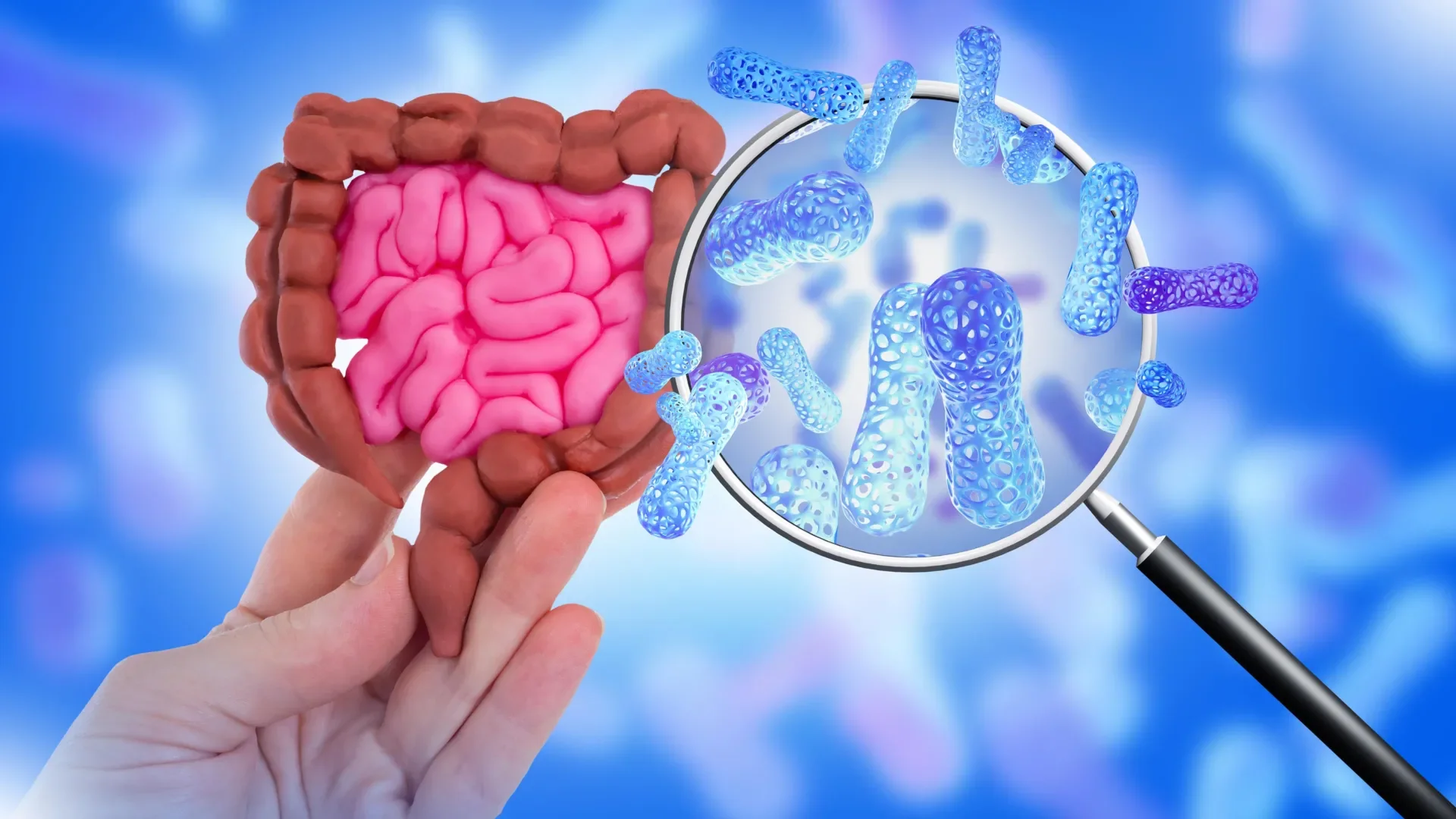
Visualization
In a groundbreaking revelation that challenges long-held beliefs about nutrition's role in cancer treatment, recent studies led by researchers at McGill University have demonstrated that certain diets typically deemed "unhealthy" can unexpectedly amplify the effectiveness of immunotherapy in murine models. This research intricately explores the complex interplay between dietary habits, gut microbiota, and the immune system, suggesting a nuanced relationship that extends far beyond the simplistic admonitions of healthy eating.
The study, published in Nature, unveils a striking paradox. Conventional wisdom posits that diets linked to obesity carry inherent health risks that could undermine cancer therapies. However, the findings reveal that specific high-calorie, fat-rich diets may promote a more favorable immune response to immune checkpoint inhibitors—drugs designed to sharpen the immune system's ability to identify and eradicate cancer cells. Daniela Quail, an associate professor and principal investigator at the Rosalind & Morris Goodman Cancer Institute, articulates a key insight: “There is a synergistic relationship between the bacteria that reside in our gastrointestinal tract, and the food we eat. Even with the optimal microbiome composition, the nutritional substrates provided can determine the efficacy of treatment.”
The research team, which includes McGill scientist Logan Walsh alongside Bertrand Routy and Arielle Elkrief from CR-CHUM, meticulously tested the influence of twelve distinct dietary regimens on mouse models subjected to immunotherapy. Each diet was assessed for its capacity to enhance or inhibit tumor response rates, thereby illuminating the role of the microbiome in mediating treatment outcomes. Unexpectedly, certain obesogenic diets not only failed to impede therapeutic efficacy but actually enhanced it, suggesting that the interplay between diet and gut bacteria plays a pivotal role.
This revelation contributes to resolving the so-called "obesity paradox," a conundrum observed in oncology where patients with higher body mass index (BMI) sometimes display improved responsiveness to immunotherapy. Traditional hypotheses attribute this phenomenon to excess adipose tissue's potential metabolic and hormonal influences, yet the current investigation points towards a more intricate dynamic involving the microbiome. Diet-induced shifts in microbial composition appear to modulate the immune environment, providing a critical mechanism underlying why patients of varying body weights experience differential therapeutic benefits.
The researchers warn against misconstruing these findings as an endorsement for unhealthy eating within cancer treatment paradigms. Quail is clear in her assertion that "this does not imply a recommendation for patients to embrace diets that promote obesity." Rather, the objective lies in deciphering the underlying mechanisms that confer this unexpected therapeutic advantage, with the aspiration that these insights could lead to the development of dietary strategies that bolster immunotherapy without incurring the adverse health risks associated with obesity.
As the researchers delve deeper into this phenomenon, they aim to identify specific dietary components that bolster beneficial gut bacteria, thus optimizing immune responses to malignancies. With an eye toward clinical applications, understanding the biochemistry of these food-microbiome interactions may pave the way for dietary interventions that enhance patient outcomes while sidestepping the pitfalls of additional weight-related health concerns.
This innovative research underscores the necessity of reevaluating traditional perspectives on diet in oncological contexts. The intersection of nutrition, microbiome health, and therapeutic efficacy may herald a new era in cancer treatment that is far more sophisticated than previously realized, promising not just improved survival but enhanced quality of life for patients navigating the complexities of cancer therapy. As ongoing studies unfold, the findings pave the way for a paradigm shift that could redefine dietary recommendations for cancer patients in light of emerging evidence rather than steadfast convention.