Field: Technology
Scientists discover surprising heart benefits of eating avocado and mango every day
Published | Technical Staff
Visualization
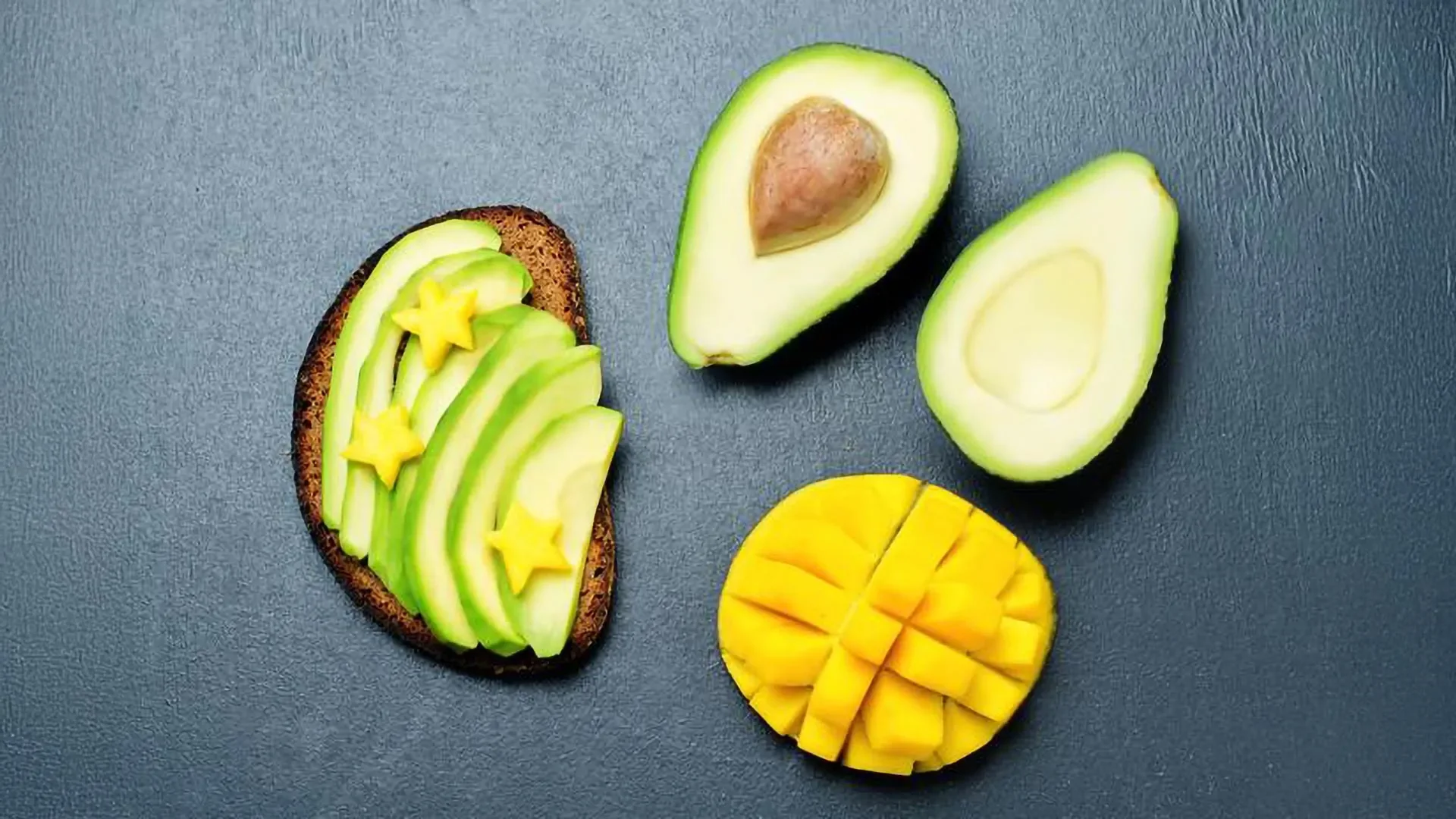
In a groundbreaking study conducted by researchers at the Illinois Institute of Technology, a daily regimen of consuming one medium Hass avocado and a cup of fresh mango showcased profound cardiovascular benefits over just eight weeks, particularly among adults with prediabetes. This meticulously designed investigation, recently published in the Journal of the American Heart Association, underscores not just the nutritional potency of these two fruits but also their utility as a dietary strategy for enhancing heart health without the accompanying burden of weight gain or significant dietary changes.
The study's design involved a controlled format where 82 adults, aged between 25 and 60, were split into two groups. One group adhered to the Avocado-Mango (AM) diet, while a comparison cohort substituted the fruit with carbohydrate-based foods, maintaining equivalent caloric intake. This carefully calculated energy equivalence made it possible for researchers to isolate the cardioprotective effects of avocado and mango from other dietary influences.
As the study progressed, participants consuming the fruits demonstrated noteworthy enhancements in vascular health parameters. Central to this evaluation was the measurement of flow-mediated dilation (FMD), a critical index of endothelial function that reflects the ability of blood vessels to relax and expand. The outcomes indicated a significant uptick in FMD among the fruit-consuming cohort, jumping to 6.7% from baseline, while the control group witnessed a decline to 4.6%. This divergence in FMD metrics suggests a tangible improvement in endothelial responsiveness, a hallmark of improved cardiovascular function.
Blood pressure responses were equally revealing. Among male participants, those consuming the AM diet recorded a reduction in central blood pressure averaging 1.9 mmHg, as opposed to an average increase of 5 mmHg among the control participants. Such a decrease in diastolic blood pressure is particularly clinically relevant, given the association between lower diastolic readings and decreased cardiovascular risk.
The study adeptly addressed weight fluctuations, revealing that cardiovascular ameliorations occurred without concomitant increases in body weight or caloric consumption. This finding raises significant implications about the qualitative aspects of dietary selections and their impact on cardiovascular health, reinforcing the “food-first” philosophy espoused by the lead investigator, Dr. Britt Burton-Freeman.
Notably, participants within the AM group enjoyed a boost in nutrient intake, including elevated levels of fiber, vitamin C, and beneficial unsaturated fats, all of which play indispensable roles in cardiovascular and metabolic health. Avocado delivered approximately 3g of fiber, 6g of unsaturated fats, and essential potassium (250mg), while mango contributed dietary fiber (2g) and was an outstanding source of vitamin C (50% Daily Value). These nutrients intersect meaningfully with mechanisms known to regulate cholesterol levels, blood pressure, and glucose metabolism, thereby providing a multifaceted approach to cardioprotection.
While the study established effective cardiovascular benefits rooted in the daily intake of these fruits, it did not elucidate whether simultaneous consumption of both offers synergistic effects beyond those attained individually. Despite this ambiguity, the combination's nutrient profiles appear to provide an avenue for enhancing dietary quality while potentially staving off the insidious progression of prediabetes to type 2 diabetes and subsequent cardiovascular conditions.
The potential of simple dietary modifications is echoed in the practical recommendations for integrating these fruits into daily meals. With their diverse flavors and textures, mango and avocado can seamlessly enhance a variety of dishes—be it elevating the sweetness of savory entrees or serving as vibrant additions to salads and smoothies. Recipes ranging from Mango Avocado Tuna Ceviche to an Avocado and Mango Topper highlight the versatility and culinary appeal of these fruits.
This research represents a pivotal advancement in understanding how nutrient-dense foods can effectuate meaningful health transformations, especially in individuals grappling with prediabetes. It elucidates a fundamental truth in nutraceutical science: that the modest inclusion of specific, healthful foods can foster significant, positive changes in cardiovascular health without necessitating drastic lifestyle overhauls. As cardiovascular disease and diabetes continue to plague populations, insights from such studies may serve not only as a guide but as an exhortation to embrace the powerful potential of nature's bounty in our dietary choices.