Field: Technology
Scientists discover mysterious “lonely” brain waves linked to memory loss
Published | Technical Staff
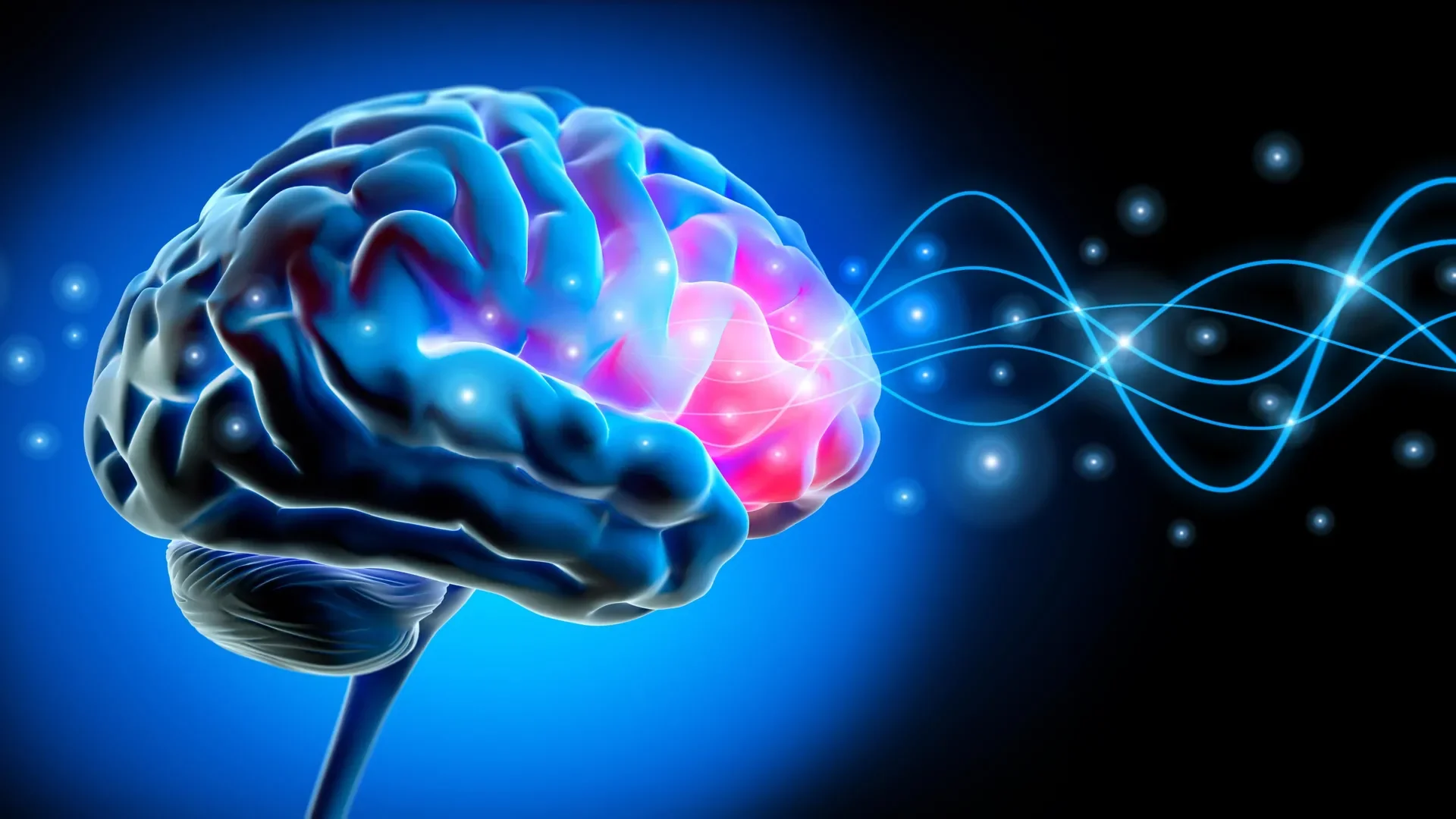
Visualization
A sophisticated interplay between neural activity and memory consolidation is being unraveled within the domain of neurodegenerative research. At the University of California, Berkeley, researchers have identified a striking relationship between the accumulation of tau protein, deep sleep brain wave patterns, and the gradual decline in memory function—an evolutionary whisper of Alzheimer's disease signaling through disrupted neurological rhythms long before overt symptoms surface.
The cognitive faculties that allow individuals to recall personal experiences, known as episodic memory, form an integral component of long-term memory architecture. Yet, these faculties tend to deteriorate as individuals age, rendering past experiences harder to retrieve. This phenomenon, especially poignant when grappling with the fleeting memory of where one parked their car, often escalates into more pronounced impairments as Alzheimer’s disease manifests. Neuroscientist Omer Sharon and his team, influenced by the legacy of prominent sleep researcher Matthew Walker, reveal significant mechanistic insights into this process, deepening our understanding of the complex neurobiology involved.
Delving into the crescendo of memory storage during a unique subset of sleep—namely non-rapid eye movement (non-REM) sleep—Sharon explains that an orchestrated ballet of large neural assemblies evokes slow electrical waves. These waves, characterized by distinct phase relationships, radiate from the frontal cortex, engaging a symphony of neurons in harmonic activity that is critical for the consolidation of memories overnight. The processes underlying this phenomenon hinge upon synchronized neuronal fluctuations, expressed as a progressive oscillation, which coalesce into profound slow waves. Each wave arises from the collective, sequential activation and deactivation of populations of neurons, an intricate choreography captured through the use of electroencephalograms (EEGs).
Central to the research is the intricate relationship established between tau inclusions—neurofibrillary tangles that proliferate in Alzheimer's pathology—and the degradation of these synchronized slow waves. The study juxtaposed the EEG readings of younger adults with those of older counterparts, revealing that younger brains displayed slow waves seamlessly traversing spatial domains akin to a hand’s width on the scalp. In contrast, the older demographic exhibited fragmented wave patterns which were less coordinated, an aberration associated with diminished cognitive capacities.
Utilizing advanced neuroimaging techniques, including positron emission tomography (PET), the research team meticulously noted tau accumulation levels and their impact on wave propagation. Insights revealed that elevated tau levels in the frontal cortex precipitated the disintegration of the long-traveling slow waves observed during robust deep sleep. Notably, these pathological shifts manifested in cognitively healthy individuals who had not yet progressed to Alzheimer's disease, suggesting that even subclinical amyloid and tau load could harbor latent memory impairments.
To substantiate these findings, Sharon's team enacted an additional layer of complexity by monitoring participants' memory retention capabilities through word association tasks. Employing a judicious experimental design, subjects were tested on their recall abilities following a sleep cycle. The articulation of “lonely waves,” a term coined by the researchers to describe isolated slow wave patterns, emerged as a significant predictor of memory retention. Participants with more pronounced lonely waves tended to exhibit lower recall efficiency, illustrating the fragility of memory formation tied to sleep disruptions.
To further streamline the correlation between tau protein presence and brain wave disorganization, the research extended into the realm of cerebrospinal fluid analysis in collaboration with Washington University’s Yo-El Ju. Through probing the spinal fluid of older adults, the team inferred that elevated ratios of tau to amyloid proteins correlated with the emergence of lonely wave patterns. This corroborates earlier findings from PET scans, strongly suggesting a connection between tau accumulation, disrupted sleep architecture, and episodic memory decline—formulating a compelling hypothesis for future longitudinal studies.
As the field of neurodegeneration advances, the intricate mapping of tau's role in obstructing the electrical rhythms of the brain opens new avenues for clinical intervention, potentially paving the way for targeted therapies aimed at mitigating early memory loss. The dogged pursuit to comprehend how these neurophysiological shifts correlate with age-related cognitive decline heralds a pivotal step towards elucidating the complexities of Alzheimer’s and enhancing the quality of life for those imbued with its looming specter.