Field: Technology
Scientists Discover How Pancreatic Cancer Rewrites Its DNA to Escape Treatment
Published | Technical Staff
Visualization
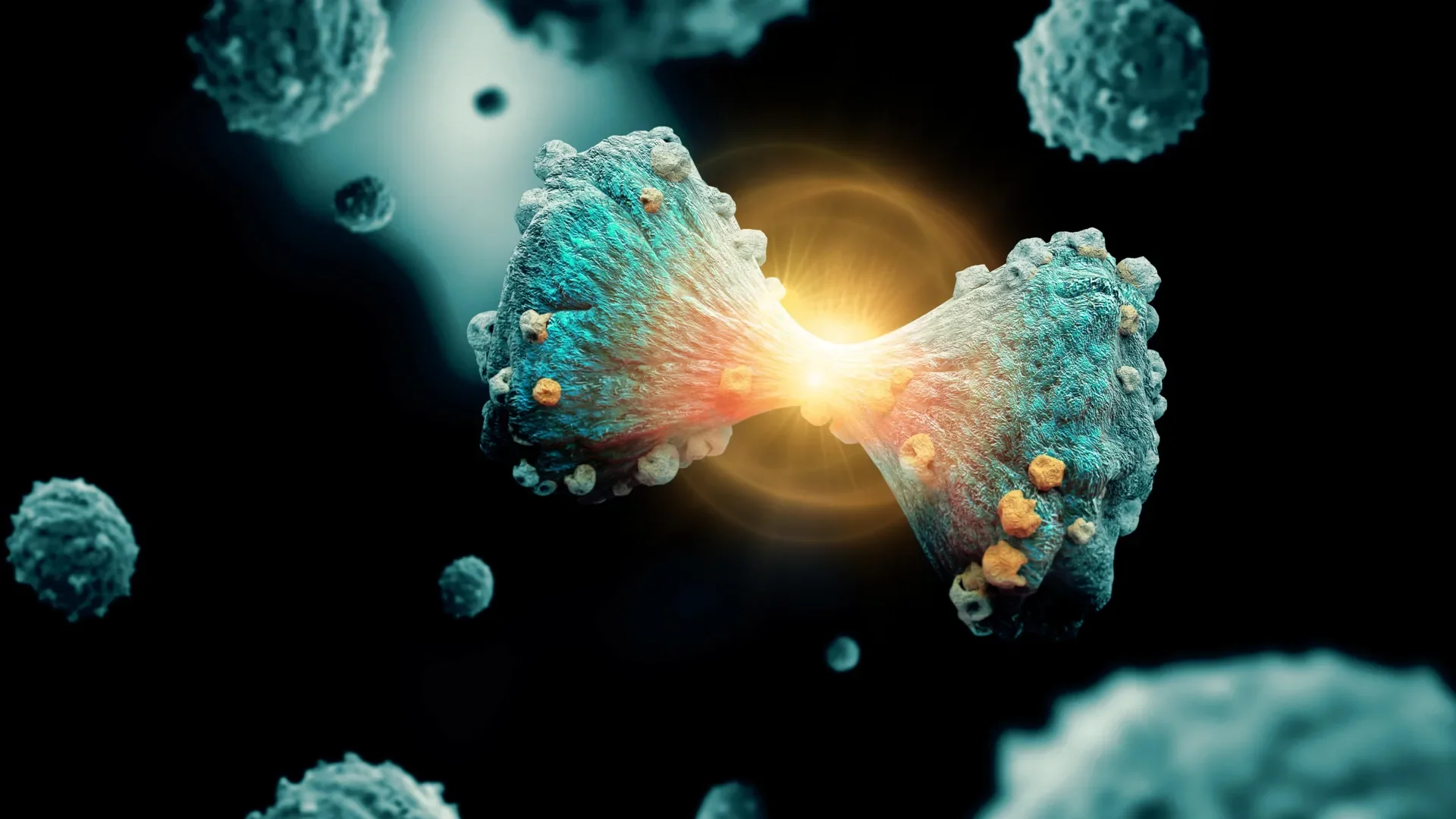
A groundbreaking investigation conducted by researchers at NYU Langone Health and the Perlmutter Cancer Center has unveiled critical mechanisms behind the relentless adaptability of pancreatic cancer, specifically pancreatic ductal adenocarcinoma (PDAC). This malignancy, notorious for its aggressive nature and high mortality rate—where nearly 85% of patients succumb within five years—presents formidable challenges in therapeutic efficacy. The team, led by Despoina Kalfakakou, PhD, utilized a rigorous single-cell transcriptomic approach that explored the genetic landscape of pancreatic tumors, ultimately shedding light on the dynamic remodeling of cancer cell genomes that facilitates treatment evasion and metastasis.
The researchers meticulously analyzed 443,451 individual cells extracted from 62 tumors, encompassing samples from 56 patients diagnosed with PDAC. Importantly, six of these individuals contributed samples both before and after chemotherapy, allowing the scientists to trace substantial evolutionary alterations that stem from therapeutic interventions. This granular focus on individual cellular variants, as opposed to bulk tumor populations, has provided unprecedented insights into the intricate diversity of cancer clones existing within a single tumor microenvironment.
What emerged from this comprehensive analysis was a spectrum of distinct clones of cancer cells, each exhibiting unique genetic signatures and behavior. The findings revealed that tumors often comprise two to eleven distinct clonal populations, categorized largely within classical and basal phenotypes. The classical type is typically less aggressive, whereas the basal type exhibits marked aggressiveness. This research discerned that the capacity for cancer cells to transition between these classifications significantly influences their resilience against therapies and ability to invade adjacent tissues.
A key focus of the study was the MYC oncogene, which emerged as a vital player in the evolutionary trajectory of PDAC. The heightened activity of MYC was particularly pronounced in more aggressive clone populations. When researchers conducted laboratory experiments that inhibited MYC expression in basal cancer cells, a notable phenotypic shift was observed. The cancer cells reverted towards the less aggressive classical state, concurrently enhancing their susceptibility to immune system recognition and potential targeting. This pivotal revelation holds promise for developing novel treatment strategies aimed at MYC-mediated pathways, potentially restraining the rapid progression associated with pancreatic malignancies.
In an intricate twist, the study also illuminated a perplexing facet of PDAC's resistance to immunotherapy. Clonal analysis indicated that certain subsets of cells exhibited elevated expression of the TIGIT gene, associated with immune evasion, alongside diminished levels of PD1, which typically serves as a checkpoint inhibiting T-cell activation. The combined deregulation of these key immune modulators might elucidate the dismal clinical responses observed with PD1-targeted therapies in pancreatic cancer patients, thereby underscoring the need for treatment paradigms that are finely attuned to the unique clonal dynamics within tumors.
Moreover, this research signifies a paradigm shift in cancer biology, advocating for the adoption of single-cell clonal analysis as a standard approach for dissecting complex malignancies. Aristotelis Tsirigos, PhD, a co-senior investigator of the study, emphasized that understanding the clonal heterogeneity, genetic plasticity, and differential interactions with the tumor microenvironment is essential for deciphering human PDAC biology as it matures, revealing pathways that could be targeted for therapeutic intervention.
The extensive genomic profiling underscored the rich tapestry of genetic alterations present at various stages of tumor evolution, paving the way for more tailored and effective treatment strategies. As clinical trials probing MYC and TIGIT inhibitors commence across pancreatic ductal carcinoma and other malignancies, the imperative for large-scale studies to refine therapeutic approaches remains underscored by this study's conclusions.
The insights derived from the meticulous analysis and elucidation of the relationship between clonal diversity, genetic plasticity, and treatment evasion promise to reshape the trajectory of pancreatic cancer research and therapy. By ushering in an era of precision medicine that considers the complex genetic interplay within tumors, this research lays the groundwork for innovative strategies that could illuminate a path through one of the most formidable cancer challenges of our time.