Field: Technology
Scientists Discover Hidden Brain Changes Linked to Common Sleep Disorders
Published | Technical Staff
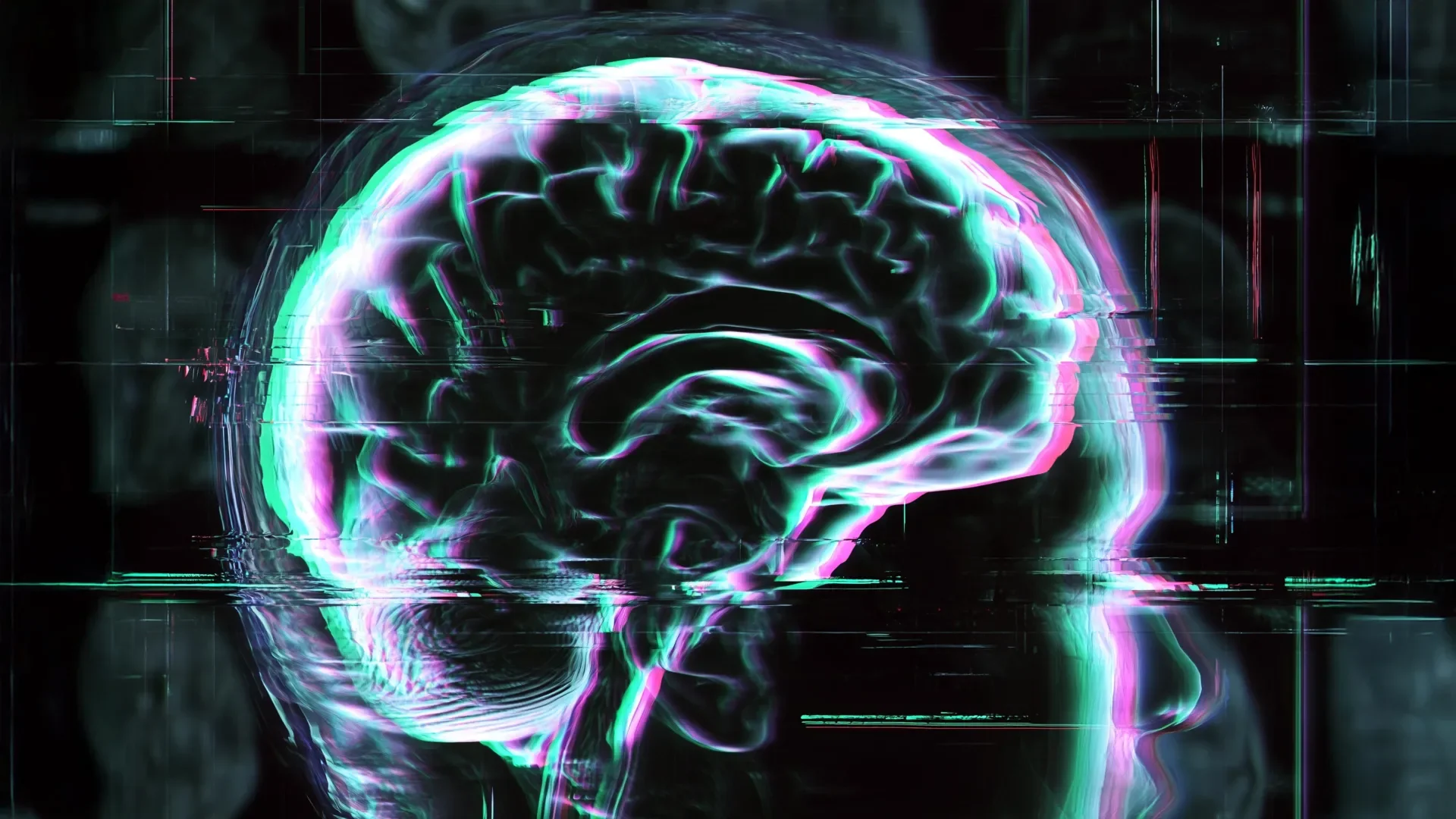
Visualization
A groundbreaking study from the Florida International University (FIU) has unveiled a complex relationship between sleep disorders and structural alterations in the brain, redefining our understanding of how disrupted sleep can impair cognitive functions such as attention and decision-making. An estimated 50 to 70 million Americans grapple with sleep disorders, representing a critical public health issue. The implications of these findings could revolutionize the way clinicians diagnose and treat various sleep-related conditions.
Through a comprehensive analysis that synthesized data from 57 brain imaging studies, researchers at FIU’s Center for Children and Families have highlighted shared and distinct neuroanatomical correlates of different sleep disorders. Utilizing advanced neuroimaging techniques like functional MRI and Diffusion Tensor Imaging, the researchers focused on two primary categories of sleep disorders: dyssomnias, including insomnia and sleep apnea, and parasomnias, which encompass phenomena such as sleepwalking and nightmare disorders. This multifaceted approach stands in contrast to the traditional singular focus in sleep research, effectively painting a broader picture of sleep disorders and their neurological impacts.
The underlying pathology revealed a significant reduction in the thalamus—specifically the pulvinar region—across both dyssomnias and parasomnias. The thalamus is a critical hub for sensory and motor signal relay, and it plays an indispensable role in sustaining attention and complex cognitive processing. Structural deficits in this region correlate well with the cognitive dysfunctions commonly reported by individuals suffering from sleep disorders. Impaired cognitive control, characterized by slowed reaction times and difficulties in decision-making, could, therefore, be traced back to these structural changes.
Matthew Sutherland, a leading cognitive neuroscientist at FIU and the senior author of the study, emphasizes the urgency in understanding the neural mechanisms behind sleep disorders amidst growing public awareness about the importance of sleep. The research elucidates that these structural modifications may underpin the observed cognitive decline, offering a clearer framework for where future research efforts should converge in the quest for effective interventions.
Interestingly, while both classes of sleep disorders demonstrated common alterations in the thalamic structures, stark differences began to emerge concerning parasomnias. Individuals experiencing sleepwalking, nightmares, and other parasomnia-related disturbances exhibited notable structural changes in the posterior cingulate cortex, a brain region integral to emotional regulation and motivation. This particular finding may elucidate the cognitive and emotional volatility frequently associated with these disorders, highlighting their potential to disrupt mood and behavioral patterns beyond mere sleep disruption.
Despite the intriguing correlations drawn between structural brain changes and sleep disorders, the study leaves some crucial questions unanswered. While the data implies a connection, it does not definitively establish whether disrupted sleep itself leads to these neuroanatomical changes, if pre-existing brain alterations contribute to sleep disorders, or if these processes are interdependent.
Moving forward, researchers intend to embark on a deeper exploration of specific parasomnias, such as REM sleep behavior disorder, in hopes of unraveling the precise neurobiological underpinnings that drive these conditions. The continuation of this research is vital for delineating effective diagnostic and therapeutic strategies, potentially paving the way for personalized interventions that not only enhance sleep quality but also safeguard the neural networks responsible for critical cognitive operations like attention, emotional balance, and decision-making.
In conclusion, the revelations from this meta-analysis provide a striking reminder of the profound interconnectedness of sleep and brain health. As we refine our understanding of the neurological impacts of sleep disorders, we inch closer to improving clinical outcomes and enriching the lives of millions affected by these pervasive conditions.