Field: Technology
Scientists Discover a Surprisingly Simple Way to Turn Coffee Waste into Fuel
Published | Technical Staff
Visualization
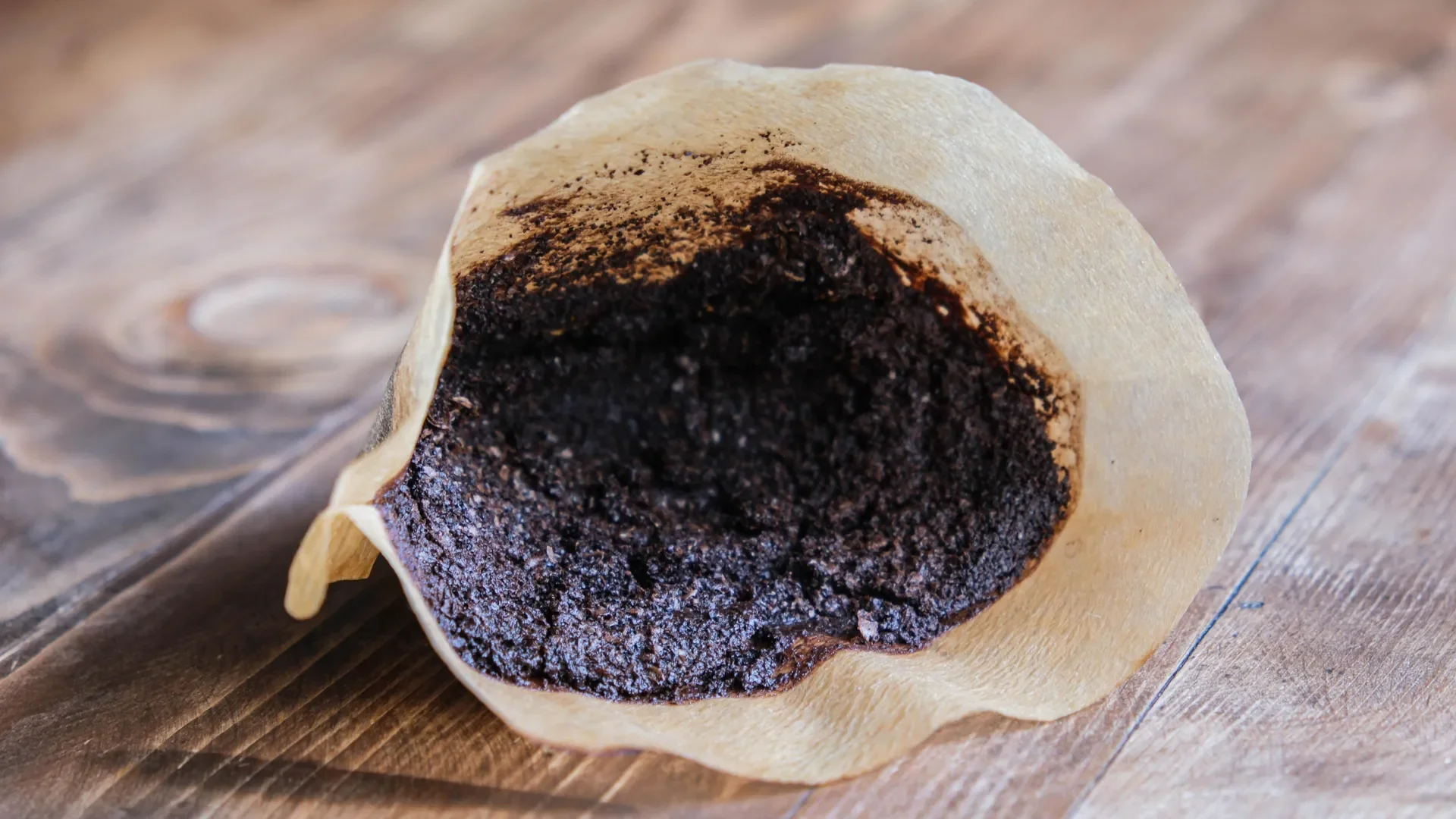
In the ever-evolving landscape of renewable energy, a groundbreaking approach has emerged from the laboratories of Universitat Rovira i Virgili (URV) that utilizes discarded coffee grounds as a potential feedstock for biodiesel and other valuable chemicals. As global coffee consumption continues to soar, producing around 10 million metric tons of beans annually, vast quantities of spent coffee grounds remain underappreciated, often relegated to waste. However, this seemingly insignificant byproduct harbors lipids—around 15% by mass—which can be efficiently harnessed for sustainable energy applications.
The innovative research spearheaded by scientists Jorge F. Romero, Alberto Tampieri, Daniel Montané, Magdalena Constantí, and Francesc Medina focuses on optimizing oil extraction from these grounds through a systematic evaluation of three critical variables: extraction temperature, processing duration, and the solvent-to-solid ratio. Employing n-hexane, a non-polar solvent recognized for its efficacy in lipid extraction, the team meticulously explored combinations of extraction parameters, culminating in the revelation of optimal conditions: a temperature of 45°C, a 60-minute extraction duration, using a solvent volume of 35 milliliters per gram of dry residue.
Remarkably, the optimized extraction process achieved an oil recovery rate near 90% compared to the conventional Soxhlet extraction method, which is typically employed in laboratory settings due to its high yields. While Soxhlet remains a trusted technique, it is also energy-intensive and less adaptable for scaling up in industrial processes. In contrast, the URV method not only provided superior efficiency, but it also yielded oil with merely 0.3% impurities—significantly lower than the 3.9% produced by Soxhlet extraction. Through comprehensive chemical analysis, the resulting fatty acid profiles, dominated by linoleic and palmitic acids, reinforced the oil's applicability as a biodiesel precursor.
The researchers were keenly aware that successful oil extraction should not compromise the structural integrity of the remaining coffee biomass. Central to their efforts was the preservation of the lignocellulosic matrix, which consists of cellulose, hemicellulose, and lignin—key players in the production of additional biofuels and biochemicals. With the removal of oils, the residual material becomes more amenable to further processing, as fats often inhibit solvent access to the valuable compounds within the plant matrix. Hence, this dual-purpose method not only opens a pathway for efficient biodiesel production but also makes the remaining biomass more accessible for conversion into bioethanol, lactic acid, or even sustainable aviation fuels.
The team explored alternative extraction methodologies, including ultrasound and microwave-assisted techniques, which have garnered attention for their potential to expedite lipid recovery. However, these advanced methods fell short in achieving the broader advantages that the traditional n-hexane extraction method offered in terms of oil purity, extraction yield, energy efficiency, and scalability. Ultimately, the researchers concluded that the balance struck by their conventional batch process aligns better with industrial applications within biorefineries—facilities that convert organic material into a range of fuels and chemical products.
This pioneering research echoes a larger movement towards circular economies, wherein waste materials are effectively repurposed to derive additional value and mitigate environmental impact. By transforming what was once considered a mere landfill nuisance into viable energy vectors, this study underscores a pivotal shift in perception regarding everyday wastage. As industries continue to seek renewable fuel solutions, particularly in sectors resistant to electrification, the implications of maximizing spent coffee grounds are profound.
In the words of researcher Daniel Montané, the goal is not merely to eliminate waste but to realize its potential as a cornerstone of green energy production. The optimistic prospects of converting an average household waste into a multifunctional renewable resource herald a future where sustainability and utility coexist in harmony. By manipulating the end-of-life fate of coffee grounds, the researchers are poised to contribute significantly to the realms of biofuels and sustainable chemical production, thereby fostering an eco-conscious paradigm that champions resourcefulness.