Field: Technology
Rejuvenation breakthrough: Scientists reverse 60 years of aging in human cells
Published | Technical Staff
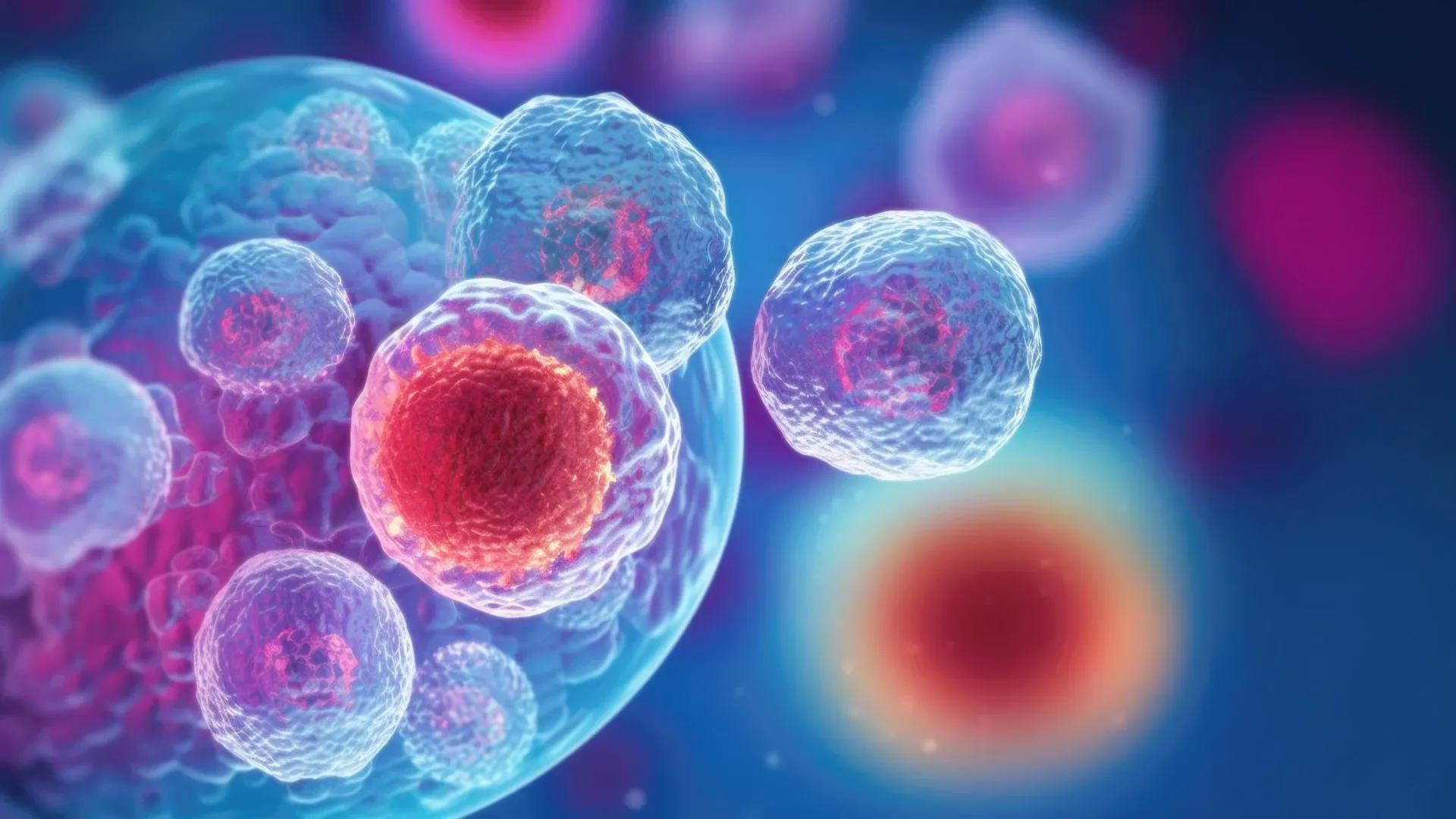
Visualization
In a groundbreaking advancement that could reshape the landscape of regenerative medicine, researchers from the University Hospital of Bonn have achieved an unprecedented feat: they have reversed over six decades of cellular aging in human blood cells, transforming those derived from an 80-year-old individual into neural stem cells that exhibit a molecular profile akin to that of cells from a person under 20. This innovative approach shines a light on the intricacies of cellular reprogramming and offers tantalizing prospects for the investigation of age-related maladies, notably Alzheimer's disease.
At the core of this transformative process is a sophisticated reprogramming methodology that involves transmuting immature red blood cell precursors into neural stem cells. This shift in identity is not simply aesthetic; it entails resetting molecular markers that accumulate with age. These markers, often elucidated through the study of epigenetic clocks, involve chemical modifications to DNA that continuously evolve as an organism ages without altering the underlying genetic sequence. The intricacies of these epigenetic modifications provide a fascinating insight into how gene expression is regulated and how cellular identity can be malleably recalibrated.
The researchers' innovative methodology diverges from traditional reprogramming paradigms which typically involve a two-step process wherein cells are first reverted to a pluripotent state before being directed toward a specific lineage. In contrast, the Bonn research team bypassed this pluripotent stage entirely, facilitating a direct conversion of blood cells to their desired neural identity. The implications of this are substantial; rejuvenation occurs gradually rather than instantaneously, enabling a more profound understanding of the molecular alterations that accompany such a major transition.
To quantify the extent of cellular rejuvenation, the researchers closely monitored the molecular age of the reprogrammed cells over a timeframe exceeding 100 days. This longitudinal observation revealed a striking reduction in molecular age—an estimated 60 years of rejuvenation within just 50 days of the transformation. Through robust analysis of epigenetic clocks, the scientists were able to ascertain that aging-related markers effectively reset to levels characteristic of youthful cells, showcasing not only a biological reversal but also a functional restoration of age-appropriate cellular behavior.
Prof. Dr. Oliver Brüstle, who spearheads this pioneering study, emphasizes that the gradual nature of this rejuvenation process opens avenues for interrogating the specific molecular pathways involved in biological aging. Such an experimental model provides a unique vantage point from which researchers can explore potential compounds or substances that either enhance or impede the rejuvenation trajectory. The implications extend into the complex sphere of neuroscience, where the interplay between aging and neurodegenerative disorders is becoming increasingly well-documented. Given that age is a predominant risk factor for conditions like Alzheimer's, insights gleaned from this work may illuminate new strategies for therapeutic intervention.
In addition to the historical significance of these findings, the collaborative effort among teams from RWTH Aachen University affirms the interdisciplinary nature of contemporary biomedical research, spurred by funding sources such as the EU's Horizon 2020 program and other national grants. As these scientists continue to dissect the molecular dynamics dictating cellular aging and rejuvenation, the prospect of translating these laboratory revelations into clinical applications remains tantalizingly within reach.
The implications of this study extend far beyond the confines of fundamental laboratory inquiry. By modulating the age markers within cells, this research lays down the groundwork for future descriptions of how stem cells can be harnessed to replenish aging tissues or treat degenerative diseases. As humanity grapples with the implications of an aging population, understanding and potentially manipulating the processes underlying cellular aging could revolutionize approaches to health and longevity in ways we are just beginning to explore.