Field: Technology
Permanent Daylight Saving Time: A Light at the End of the Tunnel or a Dark Path Ahead?
Published | Technical Staff
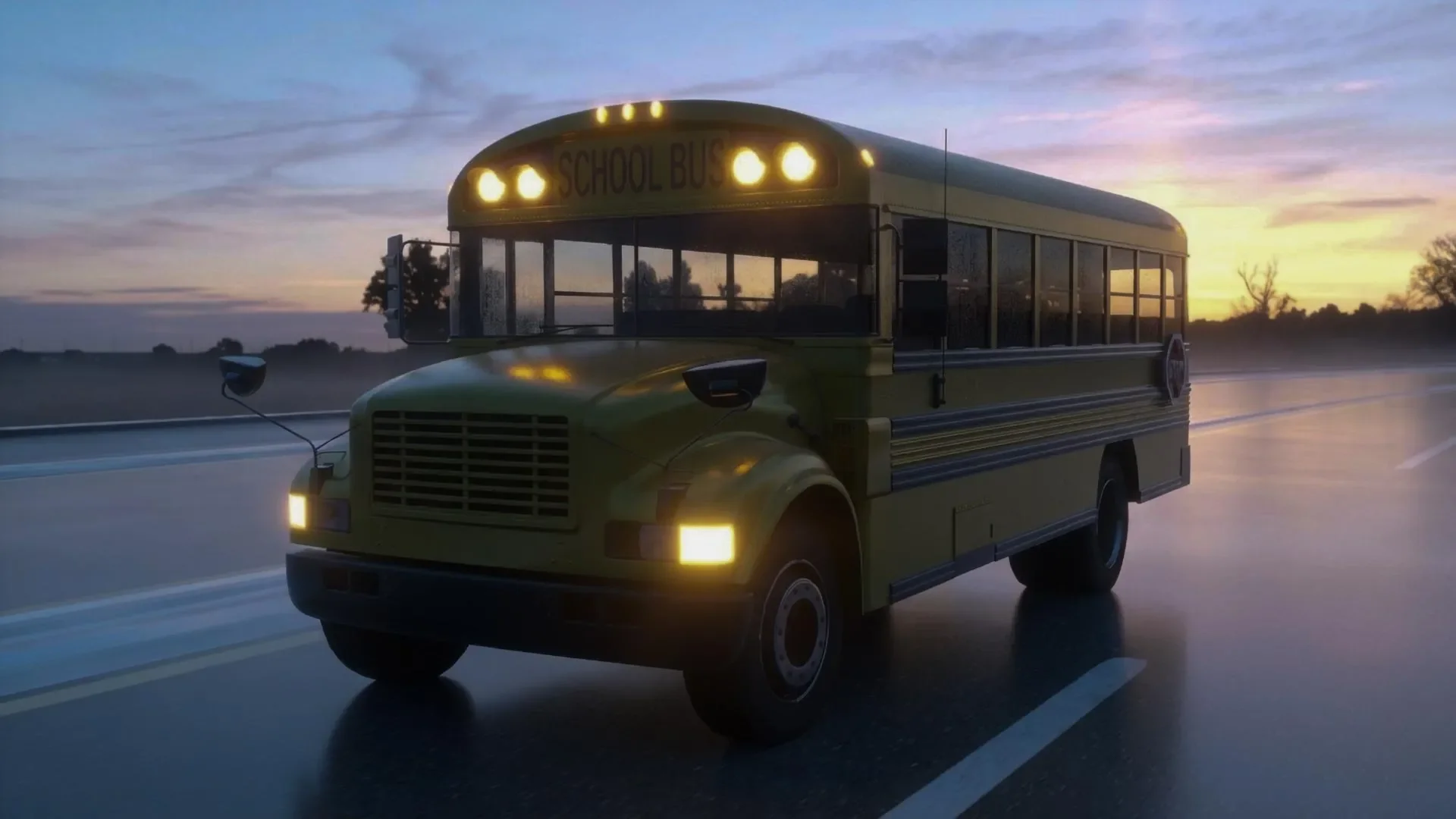
Visualization
As the debate over the adoption of permanent daylight saving time (DST) intensifies, recent research has illuminated some potentially perilous consequences lurking in the shadows. The allure of brighter evenings, coupled with the convenience of eliminating the biannual clock change, has captured the imagination of policymakers, yet a study from the University of Washington reveals that this reckoning may come at the expense of American children. The intricate study posits that transitioning to permanent DST could necessitate approximately 2 billion additional school commutes under the cover of darkness, exasperating safety concerns and disrupting circadian rhythms.
Contextually situated against the backdrop of legislative momentum in Washington, D.C., a renewed push for permanent DST rights gained traction when the U.S. House of Representatives advanced a bill aimed at irrevocably abolishing the twice-a-year shift to standard time. Already, 19 states have endorsed measures endorsing this change, with some enacting supportive policies awaiting federal affirmation. However, the intricacies surrounding school start times introduce a multifaceted dimension to the discussion. By prolonging twilight, permanent DST would yield later sunrises between November and March, adversely affecting the early morning commute for students nationwide, notably those in K-12 education.
The research team embarked on an extensive analysis of 14 states that favorably viewed permanent DST, integrating school enrollment statistics, specific start times, and geographic coordinates. This data yielded a quantitative projection of how many students would likely traverse to school prior to dawn should the legislation be enacted. The methodologies included meticulous aggregations of individual school reschedules and calculating the incremental trips generated in darkness against the existing framework. For instance, Washington state's analysis indicated that an estimated 35 million additional dark school commutes would be necessary—an alarming reflection mirrored across the remaining states surveyed, with Georgia anticipating a staggering approximate increase of 71 million darkened journeys.
A broader national impact was extrapolated from these figures, culminating in the striking prospect that maintaining permanent DST could inadvertently propagate 2 billion more trips to school before sunrise compared to the current biannual clock adjustments. The ramifications extend well beyond mere inconvenience; empirical investigations of traffic collision statistics outlined a grim reality. Data indicates that fatal accidents involving school-aged pedestrians are disproportionately frequent during pre-sunrise hours—occurring twice as often during darkness than in daylight. The findings, disseminated in *Current Biology*, evoke a contemplative reevaluation of the mechanics underlying children's safety as educational institutions grapple with the perils of early morning commutes.
Senior author Horacio de la Iglesia, a biology professor at the University of Washington, aptly coined the proposed legislation the “Sunshine Protection Act,” albeit with a poignant caveat. He notes, “An extra hour of light at the end of the day will come at the cost of morning daylight,” dubbing the measure the "Sunshine Destruction Act." The implications of this temporal realignment cast a long shadow on children's mornings—a stark reality evoking trepidation across various socioeconomic landscapes where parents worry about nocturnal school runs.
Simultaneously, the interplay between natural light and biological rhythms warrants scrutiny, as morning exposure to sunlight serves a critical role in aligning the circadian clock—a complex oscillatory system governing sleep patterns, metabolism, and psychological well-being. The displacement of morning sunlight access could obstruct proper synchronization, particularly for children whose biological demands necessitate such photic cues at pivotal developmental stages. Lead researcher Guadalupe Rodríguez Ferrante emphasized, “Depriving children of morning daylight disrupts their natural rhythms, a concern that transcends mere school logistics.”
The impact of permanent DST would not be uniformly distributed; communities geographically positioned at the extremities of time zones will contend with particularly pronounced challenges. For example, in Forks, Washington—a locality where solar ascension is already delayed—students would experience exacerbated darkness during commutes. A marked case is displayed in Mississippi and Alabama, where the average school start time is set prior to 8 a.m. Such stipulations would elevate dark school trips in these states from roughly 2 million to over 20 million under the proposed arrangement.
Despite the meticulous calculations underpinning the 2 billion estimate, the researchers caution that this figure could represent a conservative assessment. The foundational assumption that students typically depart for school around 8 a.m. may overlook the earlier departures common among many children, thus not fully capturing the real impact this temporal shift would unleash.
The evolving dialogue surrounding teenagers’ sleep optimization—often addressed through proposals to delay high school start times—faces potential setbacks. The existing tendency for adolescents to possess naturally later sleep-wake cycles conflicts with the challenge presented by permanent DST, seemingly rendering morning light less accessible for this demographic. While proponents of delaying school hours contend it will bolster sleep quality, Rodríguez Ferrante and de la Iglesia caution that such adjustments may prompt a ripple effect on family and workplace schedules, ultimately leading to a later societal rhythm devoid of the evening light benefits citizens currently enjoy.
In sum, navigating the implications of permanent daylight saving time reveals a labyrinth of complexity rife with unintended consequences. As millions of children may find themselves enshrouded in darkness during formative years, the consequential interplay between legislation and the health, safety, and well-being of future generations demands careful scrutiny and thoughtful deliberation.