Field: Technology
Nearly 20% of Switzerland’s glacier ice has vanished in just five years
Published | Technical Staff
Visualization
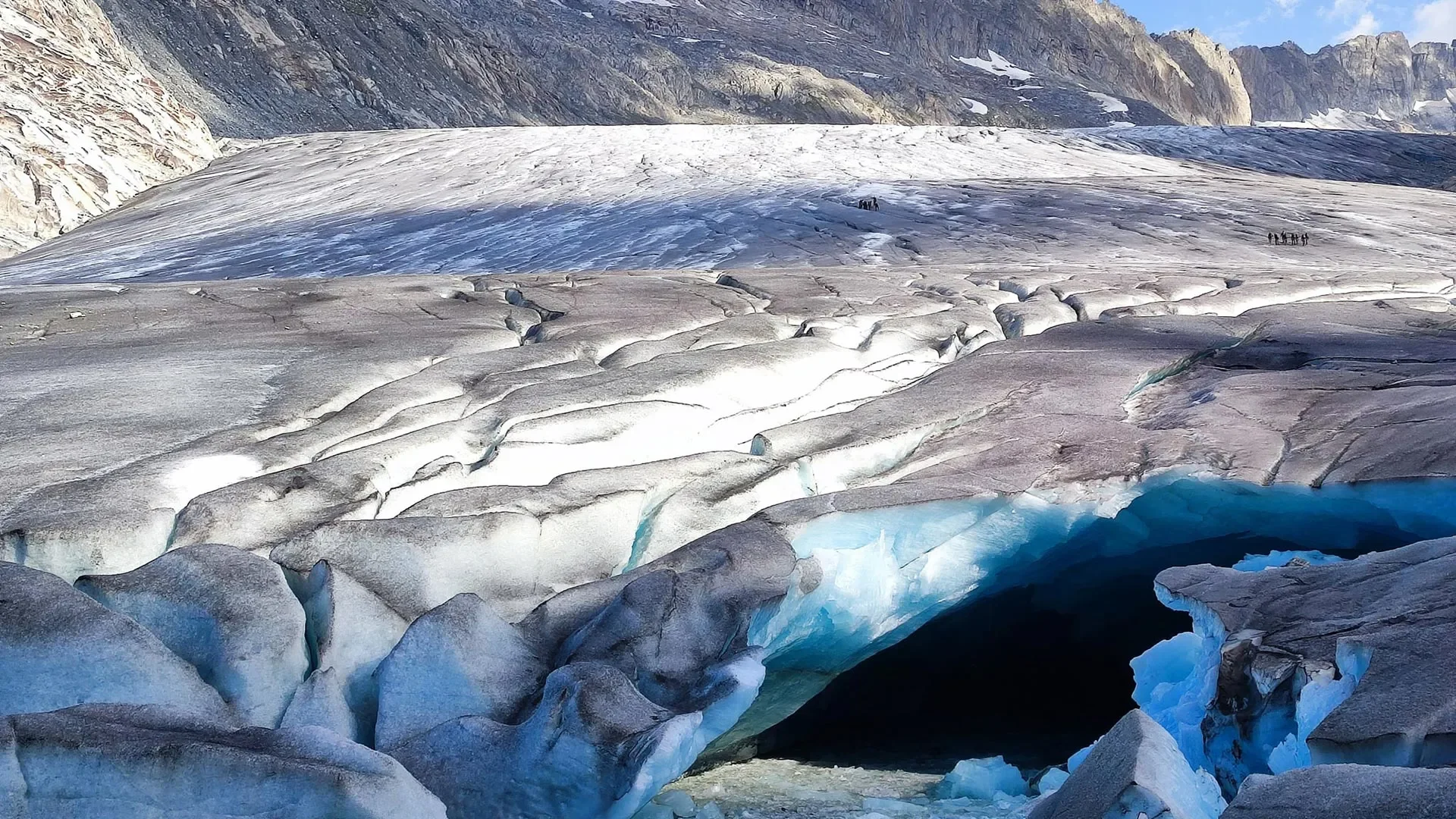
The relentless retreat of Switzerland’s glaciers paints a stark picture of the accelerating impacts of climate change, with nearly 20% of glacial ice volume evaporating in the mere span of five years. The year 2026 alone witnessed more than a 5% drop in the total ice volume, as several storied glaciers, including Rhône, Aletsch, and Clariden, underwent what has been described as their most severe melting events on record. In a disheartening trend, smaller glaciers such as Bella Tola and Griessfirn have succumbed completely to warmer temperatures, disappearing forever from the Swiss landscape.
The paradox of these icy monoliths lies in their dual nature as both critical freshwater reservoirs and indicators of climatic shifts. According to data gathered from the Glacier Monitoring Network (GLAMOS)—established through collaboration between ETH Zurich and various Swiss universities—the average glacier thickness across the country thinned by approximately 2.5 to 4 meters in 2026, with certain lower glacier sections losing up to 10 meters of ice. This dramatic decline cannot be viewed in isolation; it is intricately linked to a combination of extreme summer heat and diminished winter snowfall, conditions exacerbated by the broader context of anthropogenic climate change.
Winter 2025 to 2026 was recorded as one of the ten least snowy periods in Swiss history, a fact that left glaciers particularly vulnerable as the insulating layer of snow diminished. The elevation at which temperatures reached the freezing point surged alarmingly above 4,000 meters for an unprecedented 76 days, a stark contrast to historical norms. By September 2026, the landscape had undergone an alarming transformation: snow had entirely vanished even at altitudes of 3,500 meters, exposing glacier ice that typically benefited from snow cover, hence accelerating melting rates.
In the vital summer months of July to September, melting glaciers released a staggering 2.2 trillion liters of meltwater. This volume represents more than four times the annual drinking water consumed by households across the nation, temporarily alleviating water shortages during hot spells. However, this short-term boon highlights a far graver long-term concern. As glaciers continue to shrink irreversibly, the potential for future meltwater release will inevitably diminish, threatening a crucial water source essential for both ecosystems and human populations within the region.
The observations documented by the Swiss Academy of Sciences (SCNAT) reaffirm the alarmingly rapid rate of glacial retreat. As scientists compile annual assessments from GLAMOS, it becomes increasingly evident that the current trajectory—marked by unprecedented temperature patterns and decreasing snowfall—indicates a profound alteration in Switzerland's climatic fabric and glacial dynamics. The loss of glacial ice not only reshapes the picturesque Alpine landscape but also signifies dramatic shifts in hydrology and ecological systems that depend on these glaciers for sustained water flow.
In the face of this mounting crisis, the evidence underscores an imperative for immediate actions and strategies to address and mitigate the causes of climate change. The fate of Switzerland’s glaciers is emblematic of broader global patterns observed in glacial regions around the world, serving as both a local and universal warning to take heed of the swiftly vanishing ice sheets. As the Alpine glaciers retreat, so too may the hope of preserving these ecosystems and safeguarding freshwater resources for the generations ahead. The future is indeed perilous, and as glacial ice loses its battle against climate change, the repercussions extend far beyond the mountain peaks, into the valleys and communities dependent on them.