Field: Technology
MIT scientists discover a surprising way to boost the brain’s nighttime cleaning system
Published | Technical Staff
Visualization
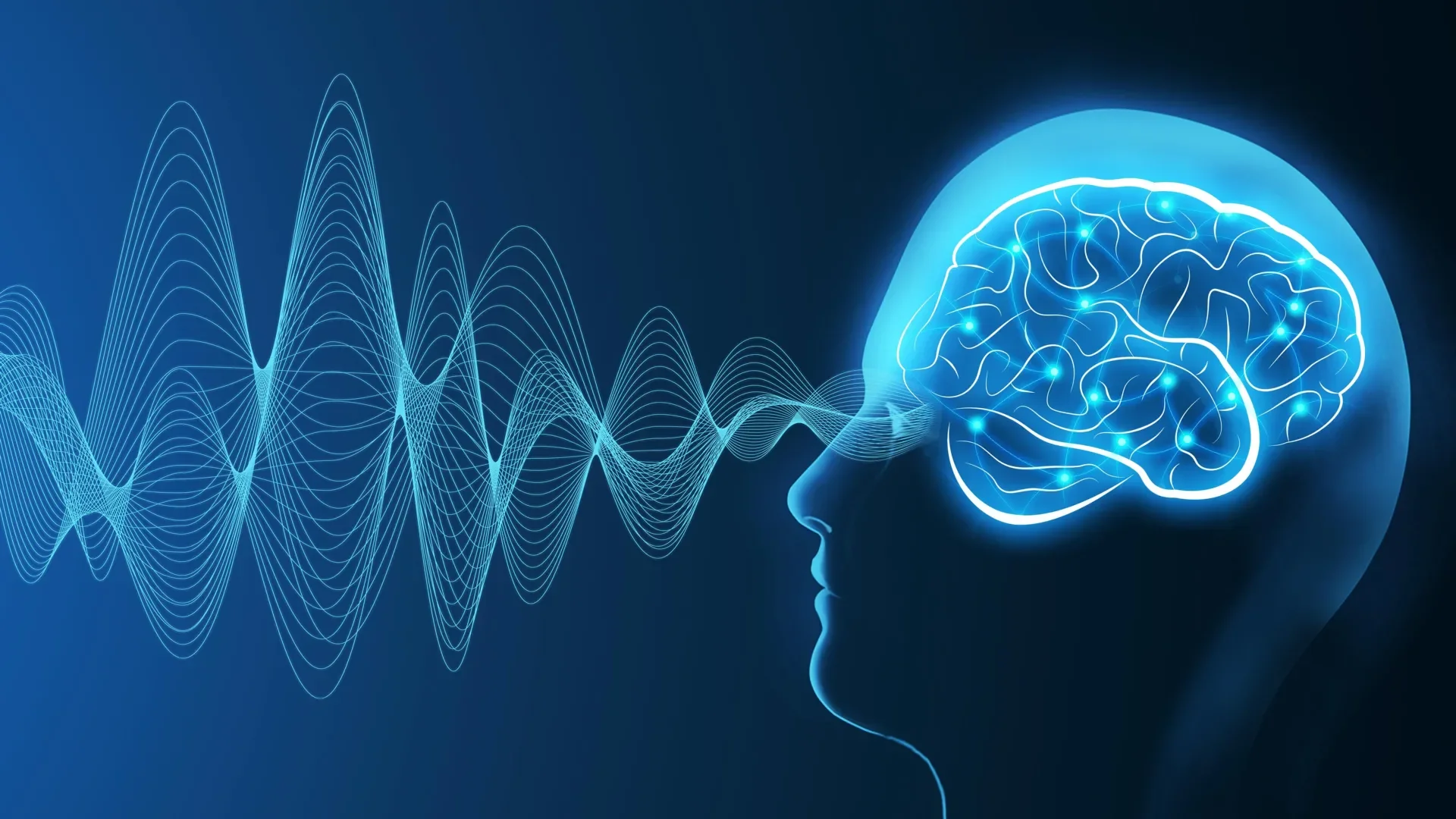
In a pioneering study, researchers at the Massachusetts Institute of Technology (MIT) have unveiled a remarkable method for enhancing the human brain's natural waste clearance mechanism during sleep. This groundbreaking discovery centers around the utilization of meticulously timed bursts of pink noise, which significantly bolster the brain's endogenous cleaning waves. As a result, these findings hold immense potential for developing novel therapeutic strategies aimed at enhancing cognitive function while simultaneously mitigating the risks associated with neurodegenerative conditions such as Alzheimer’s disease.
The brain, an organ notorious for its complex neurophysiology, continuously processes information and performs myriad functions, leading to the gradual accumulation of metabolic byproducts such as lactic acid and denatured proteins. Sleep serves as a critical phase during which the central nervous system engages in a rigorous cleaning operation, guided by waves of cerebrospinal fluid (CSF) that circulate to dispose of these detrimental substances.
Through sophisticated imaging techniques, the research team led by Dr. Laura Lewis has previously elucidated the intricate movement of CSF in concert with the brain's slow electrical waves, particularly during deep non-rapid eye movement (NREM) sleep. This foundational knowledge paved the way for their latest inquiry: could manipulating these electrical signals actively enhance CSF dynamics?
To test their hypothesis, the researchers devised an experiment that utilized short, 50-millisecond bursts of pink noise—characterized by a consistent sound profile where lower frequencies are accentuated relative to higher ones, akin to the soothing patter of rain. The timing of these auditory stimulations was critical; they had to coincide precisely with the peaks of the brain's slow wave activity to exert maximum influence. This synchronization was achieved by monitoring electrical activity through electroencephalography (EEG) while simultaneously employing functional magnetic resonance imaging (fMRI) to track CSF movement.
One significant methodological challenge arose due to the interference generated by the fMRI's magnetic fields, which could obscure the EEG readings essential for pinpointing the correct timing of stimuli. To circumvent this issue, the team developed an innovative technique capable of filtering out this interference within a mere 100 milliseconds. Furthermore, they engineered an anticipatory algorithm that predicted impending slow wave peaks, accounting for any latency incurred in signal processing. This dual-pronged approach enabled the successful delivery of sound bursts with impeccably synchronized precision.
Once implemented, the trials involving 14 healthy volunteers yielded compelling results. The application of pink noise did not merely elicit a modest increase; it substantially amplified both the brain's slow electrical waves and the accompanying CSF flow, all while ensuring that participants remained undisturbed in sleep. Advanced imaging revealed a vital mechanism at play: as the slow waves intensified, they facilitated a rhythmic constriction and dilation of blood vessels, generating a hydraulic effect that actively promoted CSF circulation.
Despite the promising data, the study does not yet conclusively link enhanced CSF dynamics with improved waste clearance or sleep quality. However, the implications of increasing CSF flow could be monumental, particularly for populations suffering from sleep disorders or the insidious buildup of abnormal proteins associated with Alzheimer’s and other dementias. As lead author Joshua Levitt notes, "The ability to improve brain waste clearance is critically aligned with our understanding of pathologies like Alzheimer’s, where the aggregation of amyloid and tau proteins raises significant concern."
As the researchers plan to further explore the therapeutic potential of their approach, they envision the creation of a user-friendly device—potentially resembling a headband—capable of delivering these auditory cues autonomously during sleep. This would enable individuals to tap into the brain's natural cleaning processes outside of clinical settings, an innovation that could revolutionize sleep hygiene practices.
In essence, this sophisticated interplay of auditory stimuli and brain dynamics not only enriches our comprehension of cerebral physiology but also paves the way for transformative interventions aimed at bolstering cognitive health. Future investigations are paramount to determine whether such advancements can lead to tangible improvements in memory retention, overall cognitive vitality, or preventative measures against the relentless march of neurodegenerative diseases. As the research continues to unfold, it beckons us to rethink the profound interplay between sound, sleep, and brain health, highlighting a new frontier in our quest to safeguard one of humanity's most precious assets: the mind.