Field: Technology
Mediterranean diet may boost tiny proteins that protect the heart and brain
Published | Technical Staff
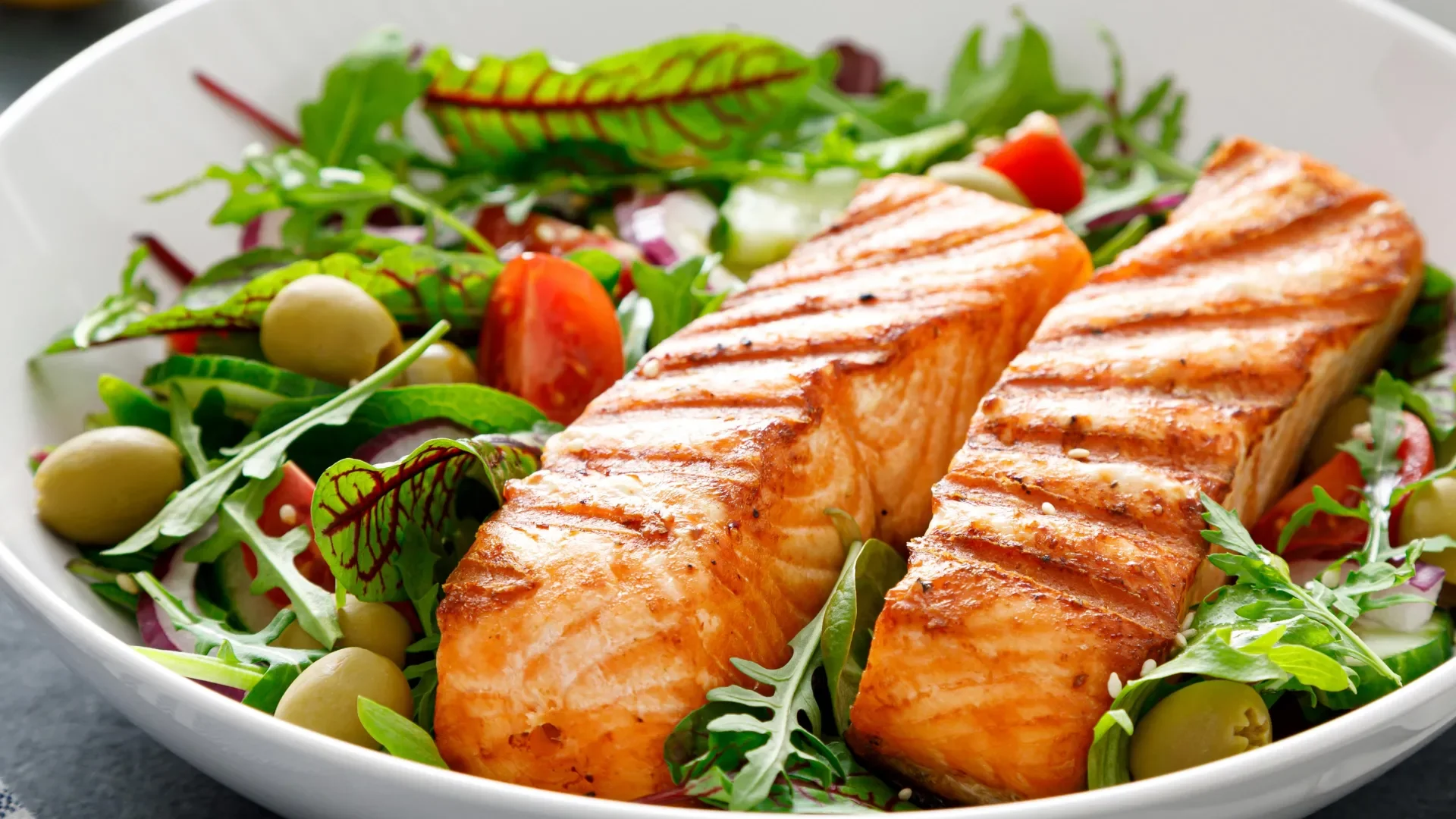
Visualization
Nestled within the sun-drenched landscapes of the Mediterranean basin lies a culinary tradition that does far more than simply tantalize the palate. The Mediterranean diet—a vibrant tapestry woven from fruits, vegetables, whole grains, lean proteins, and healthy fats—has become emblematic of healthy eating. Emerging research from the University of Southern California (USC) reveals compelling insights into how this diet conceivably fosters longevity and cellular integrity, particularly among older adults. Delving deep into the biological intricacies of this dietary pattern, the study elucidates the pivotal role of specialized biomolecules—namely, the mitochondrial microproteins humanin and SHMOOSE.
Led by USC's Roberto Vicinanza, an Instructional Associate Professor of Gerontology, this investigation scrutinizes the correlation between adherence to a Mediterranean dietary regimen and the levels of these microproteins in the bloodstream. The results revealed that older individuals whose eating habits were meticulously aligned with this diet exhibited markedly elevated concentrations of humanin and SHMOOSE, proteins intricately tied to protecting the heart and brain against the ravages of aging and disease. This finding posits a groundbreaking hypothesis: that the food we consume could orchestrate a symphony of molecular responses that ultimately dictate not only how our cells behave but how they age.
Mitochondria, often referred to as the powerhouses of the cell due to their central role in energy production, have shown themselves to be far more than mere energy generators. They play crucial roles in metabolic regulation, responses to cellular stress, and the aging process itself. Unlike conventional proteins, which are synthesized from genetic blueprints residing within the cell's nucleus, mitochondrial microproteins like humanin and SHMOOSE are endowed with their own distinct set of genetic instructions. These directives are encoded in short sequences of mitochondrial DNA known as open reading frames, some of which were historically labeled as non-functional until recently.
Humanin is a particularly well-characterized microprotein, having been first discovered in 2003, and its physiological effects are profound. It has been associated with enhanced insulin sensitivity, improved cardiovascular functionality, and neuroprotective capabilities that may prolong cognitive health—a vital consideration in an aging population increasingly affected by neurodegenerative disorders like Alzheimer's disease. Similarly, SHMOOSE has attracted considerable research interest; emerging data suggest a link between a genetic variant of SHMOOSE and heightened susceptibility to Alzheimer's, while its normal form may confer neuroprotection by mitigating amyloid-induced neuronal damage.
What distinguishes the Mediterranean diet from other nutritional strategies is not only its variety but also its biological impact. This research demonstrates that specific components of the diet, particularly staples like olive oil, fish, and legumes, are positively correlated with higher humanin levels. Conversely, a reduction in refined carbohydrates—typically devoid of nutrients compared to their whole counterparts—aligns with augmented SHMOOSE production. Such dietary practices appear to mitigate oxidative stress, a condition characterized by excess reactive oxygen species (ROS) that can launch a cascade of cellular damage over time.
This study's findings are especially poignant in light of the ongoing battle against chronic diseases linked to aging. The presence of ROS poses a dual challenge, as these molecular byproducts can initiate beneficial immune responses, yet excessive accumulation is frequently detrimental, leading to vascular damage and other pathologies. Notably, a connection has been uncovered between humanin and the activity of Nox2, an enzyme critical for ROS generation. Elevated levels of humanin correlate with reduced Nox2 activity, proposing a potential mechanism through which humanin mitigates oxidative damage—thereby enhancing cardiovascular resilience.
Vicinanza's team posits that this could represent a novel cardioprotective mechanism inherent to the Mediterranean diet. Rather than simply positing dietary patterns as static choices, the research implies that they incite dynamic biochemical transformations, heralding a new era of understanding dietary influences on molecular biology and cellular health. This study opens exciting avenues for further exploration into how specific dietary protocols not only enhance quality of life but also potentially redefine our physiological frameworks.
As interest in the Mediterranean diet surges globally, Vicinanza's exploration extends beyond biochemical interactions; he aims to elevate this dietary tradition as a model for holistic health. With implications reaching many contemporary health challenges—including cardiovascular disease and cognitive decline—the Mediterranean diet stands as a paradigm of nutritional intervention, not merely as a culinary delight but as a profound instrument for longevity and vitality in an aging world.