Field: Technology
Mayo Clinic Advances Understanding of “Zombie” Cells, Paving the Way for Anti-Aging Therapies
Published | Technical Staff
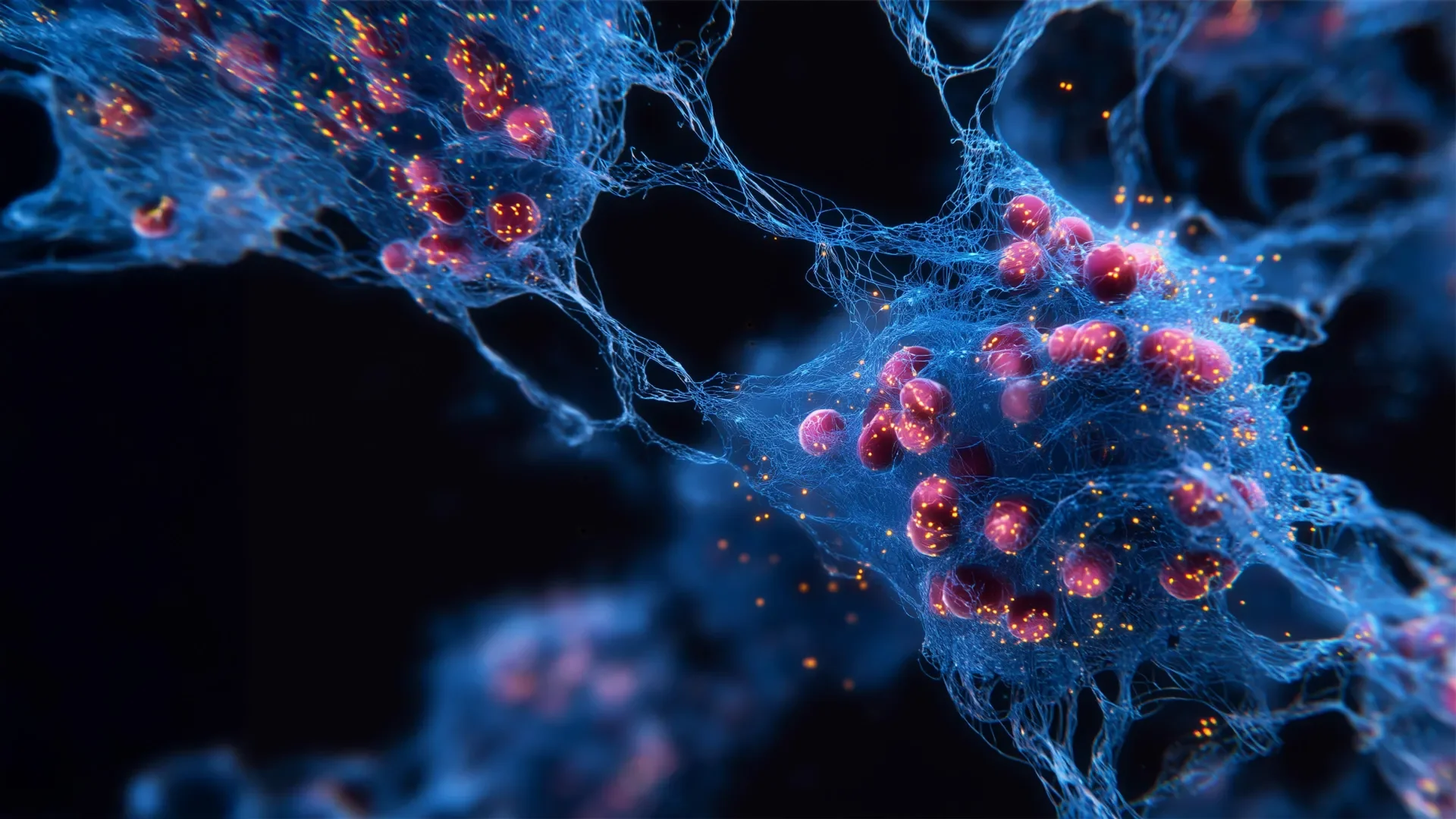
Visualization
In recent years, the term “zombie cells” has emerged within the lexicon of gerontology, describing senescent cells that have exited the cell cycle yet persist in a metabolically active state. These cells, laden with pro-inflammatory cytokines, exacerbate chronic inflammation and promote a host of age-related maladies. A series of seven pivotal studies from the Mayo Clinic’s Robert and Arlene Kogod Center on Aging has not only elucidated the intricate mechanisms underlying the persistence and pathology of these cells but also introduced promising therapeutic strategies aimed at ameliorating their deleterious effects on health.
The Mayo researchers embarked on this exploration with the goal of refining the identification of senescent cells across various tissues, an obstacle that has historically hampered investigations into aging. A significant outcome of their inquiry was the creation of the SenMayo gene set—a sophisticated tool that leverages differential gene expression patterns to enhance the reliability of identifying senescent cells. This was particularly evident in analyses of bone biopsies from older adults, where the presence of senescent cells diminished following eliminative treatments in preclinical settings. Such advancements provide a robust resource for the scientific community engaged in the study of aging processes.
Compellingly, the investigations revealed that senescent cells are not a monolithic entity but exhibit heterogeneity based on their tissue origin and the biochemical pathways that precipitated their senescence. This realization was underscored in pivotal works co-authored by Mayo Clinic endocrinologist Dr. Sundeep Khosla and his collaborators, who highlighted a spectrum of “senotypes” amongst p16- and p21-positive cells in human and murine models. By characterizing these diverse cellular profiles, researchers can tailor therapeutic interventions more precisely, targeting the most harmful subsets of senescent cells while sparing potentially beneficial ones.
A formidable aspect of senescent cells is their propensity to incite chronic inflammation, an insidious process linked to various age-related diseases, including cardiovascular conditions, neurodegenerative disorders, and metabolic syndromes. Through their investigations, the Mayo team uncovered specific mitochondrial dysfunctions that serve as significant contributors to the senescent cell phenotype. They identified unique pathways wherein mitochondrial DNA and RNA inadvertently trigger robust immune responses that exacerbate inflammation. Such findings suggest that, rather than a scorched-earth policy of senolytic drugs designed to eradicate senescent cells completely, future interventions could pivot toward the modulation of these inflammatory processes. This nuanced approach could involve the use of compounds that inhibit specific signaling pathways responsible for the senescent-associated secretory phenotype (SASP), potentially retaining the cells while alleviating their inflammatory burden.
Among the novel strategies explored was a natural compound derived from tomatoes, which demonstrably reduced senescent cell populations in aging mice. Coupled with the application of genetic targeting techniques, these interventions yielded promising results, improving parameters tied to physical strength, cognitive performance, and neuroinflammation. Reflecting on these findings, Dr. Marissa Schafer emphasized their transformative potential for clinical applications, suggesting that rather than merely focusing on senolytic therapies, a dual strategy involving anti-inflammatory modalities could enhance aging management.
Noteworthy was the identification of IL-23R as a salient biomarker indicative of the senescent cell burden within the circulatory system. This discovery, spearheaded by Dr. Schafer and her colleagues, heralds a new avenue for quantifying biological aging and evaluating the efficacy of potential interventions.
The implications of these investigations extend beyond mere academic enrichment; they resonate with the ethos of the Precure Research initiative at the Mayo Clinic, which seeks to develop preemptive strategies against the biological perturbations that lead to multifaceted disease states. As research coalesces into a clearer map of the cellular landscape associated with aging, the prospect of early intervention strategies emerges, aiming to correct dysregulated biological processes before they manifest as overt pathologies.
This body of work not only augments our understanding of age-related cellular dynamics but also shifts the narrative surrounding therapeutic interventions. The objective is no longer solely to eradicate senescent cells; rather, it is to comprehend the molecular mechanisms driving their pathological behavior, paving the way for innovative therapies that target the underlying processes of cellular aging. Ultimately, the advances made at the Mayo Clinic represent a critical leap forward in the quest for healthier aging, fostering hope for a future where the devastating impacts of senescence can be mitigated, if not entirely prevented.