Field: Technology
Massive study of 460,000 people challenges ultra-processed food cancer fears
Published | Technical Staff
Visualization
In a groundbreaking exploration of dietary habits and cancer risk, recent research led by Erikka Loftfield from the National Cancer Institute has scrutinized the intricate relationship between ultra-processed foods (UPFs) and colorectal cancer (CRC) among a cohort of over 460,000 American adults aged between 50 and 71. Published in PLOS Medicine, this study not only strengthens our understanding of cancer epidemiology but also redefines the narrative surrounding the health implications of UPFs.
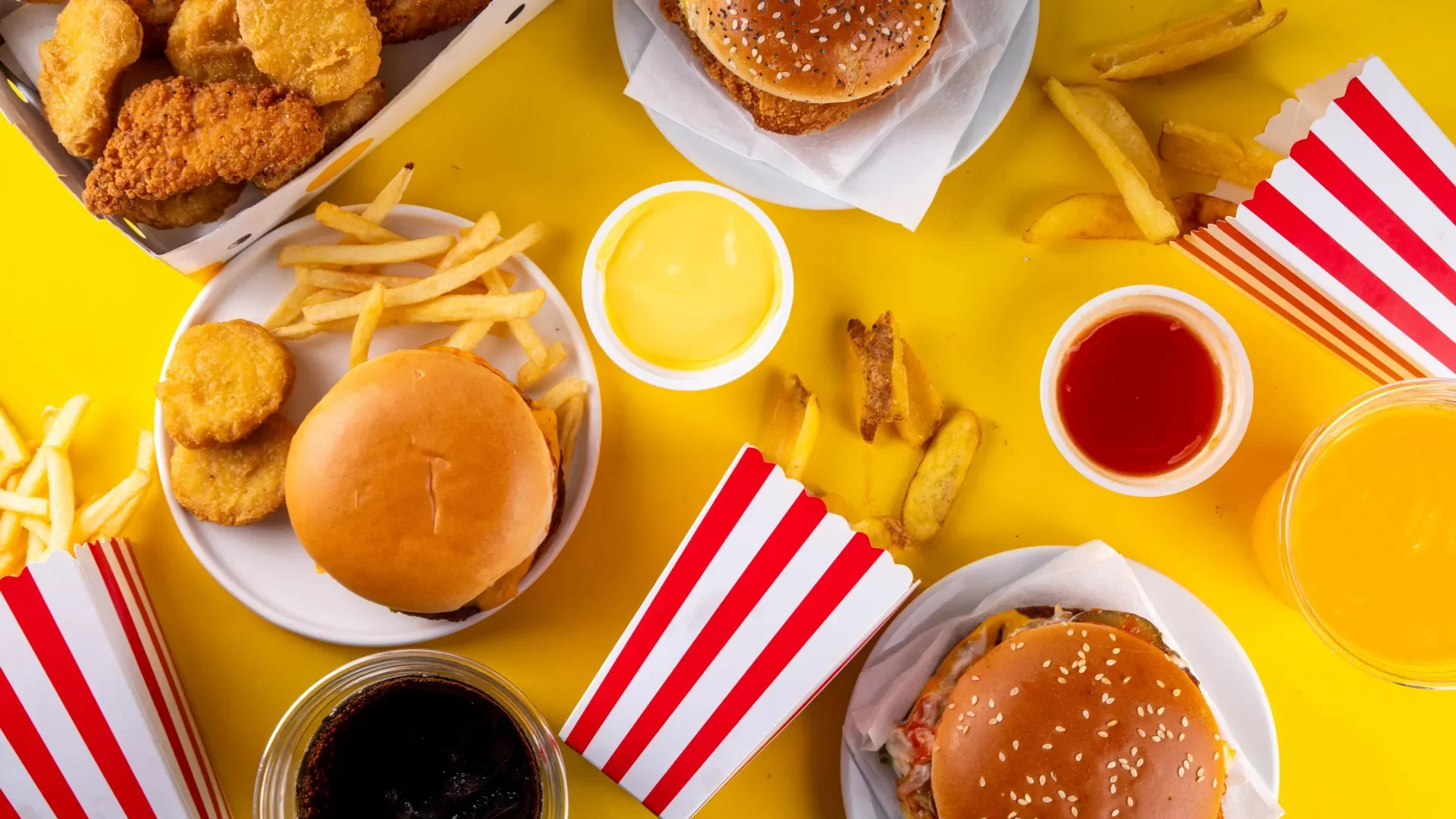
Ultra-processed foods, which encompass a plethora of products from breakfast cereals to snack bars, constitute more than half of the caloric intake among adults in the United States. The prevailing fear surrounding these items stems from their correlation with various chronic diseases, particularly CRC. However, Loftfield and her colleagues, in their comprehensive analysis, found no overarching association between UPF consumption and increased CRC incidence. This revelation upends long-standing assumptions and suggests a need for a more nuanced approach to dietary evaluation.
Commencing in the Mid-1990s, participants in the NIH-AARP Diet and Health Study reported their dietary intake through extensive questionnaires. These disclosures allowed researchers to quantitatively assess dietary patterns and UPF consumption levels over a staggering median follow-up period of 18.8 years, extending activity through to 2018. The aggregate data revealed a critical differentiation in consumption patterns: while processed meats exhibited a troubling association with higher cancer rates, select UPFs, particularly those derived from whole grains and dairy sources, were correlated with a decreased incidence of CRC.
To underscore the complexities inherent in these findings, the researchers employed rigorous statistical analyses to parse dietary effects. Notably, consumption of whole grains, dietary fiber, dairy products, and calcium from ultra-processed sources yielded a statistically significant inverse relationship with CRC risk. In contrast, the intake of processed meats, categorized under the UPF label, demonstrated a direct correlation with increased cancer incidence. This differentiation raises pertinent questions about whether the mere categorization of foods as ultra-processed can truly encapsulate their health ramifications.
An enlightening aspect of this research lies in its exploration of dietary substitutions. The team conducted simulations estimating the impact of reducing ultra-processed food intake. Their results indicated that a mere 10% substitution of less processed food equivalents could result in an approximate 2% reduction in CRC risk, suggesting actionable dietary changes might yield beneficial outcomes. This pivotal insight emphasizes the necessity of not only recognizing the role of food processing but also assessing the nutritional composition inherent within these food categories.
While the extensive dataset and long duration of observation lend credence to the researchers' conclusions, the findings come with caveats. The participant pool was predominantly older, white Americans, creating potential limitations in generalizability to younger demographics or more diverse populations. Furthermore, the cross-sectional design of dietary assessments represents a considerable downside; the reliance on initial data fails to account for longitudinal dietary shifts that could have occurred over the decades of follow-up. The increased prevalence of a variety of ultra-processed foods since the inception of the study may also insinuate that actual consumption levels could be far greater than reported.
Despite these limitations, the study fortifies existing dietary guidelines for CRC prevention, which advocate for the intake of whole grains, rich sources of dietary fiber, and low consumption of processed meats. Loftfield articulates the essence of the study succinctly, stating, "In this large population of older US adults, we did not observe an association between total ultra-processed food (UPF) intake and colorectal cancer incidence; however, when we looked at food groups... associations were in line with current dietary guidance for colorectal cancer prevention."
As society grapples with rising incidences of colorectal cancer, understanding that not all ultra-processed foods pose equivalent risks allows for a more judicious evaluation of diet. Instead of a blanket condemnation of UPFs, it is imperative to disentangle the nuances of food types and their distinct health implications. This research ultimately champions the mantra that in dietary discourse, the specificity of food types and their nutritional content holds paramount significance than their mere categorization as ultra-processed.