Field: Technology
Magic Mushrooms Bring Surprising Neurological Changes, Offering Hope for New Treatment Pathways
Published | Technical Staff
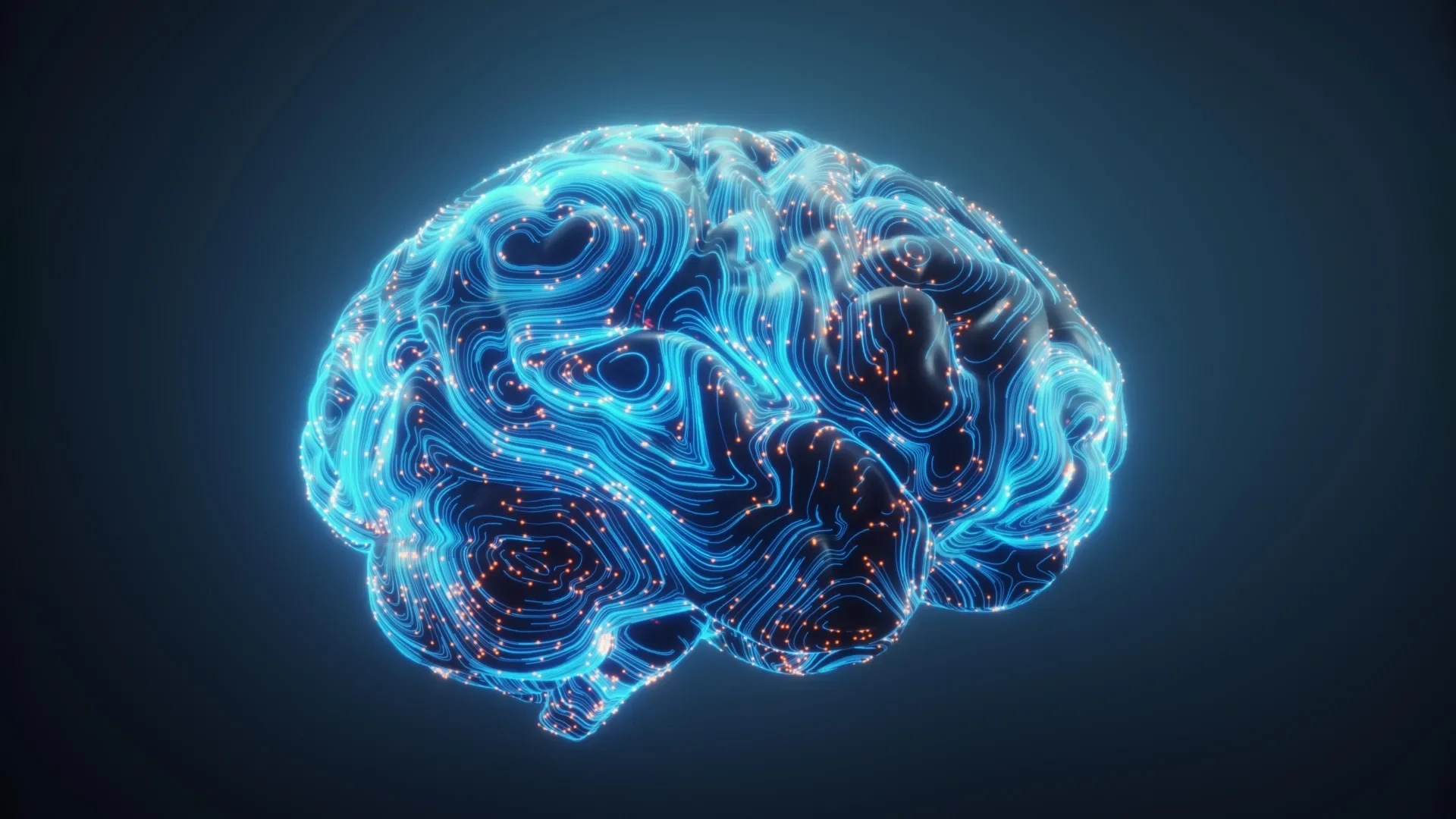
Visualization
Recent research out of the University of California, Santa Cruz, casts a new light on the transformative power of psilocybin, the active compound in magic mushrooms. This groundbreaking study unveils the unexpected ways in which psilocybin reconfigures neural pathways, particularly illuminating the drug's potential to foster neural plasticity—a crucial property that allows the brain to adapt and reorganize itself. The implications of these findings stretch far beyond the realm of psychedelic experiences, opening doors for innovative therapeutic avenues in treating mental health issues such as depression and post-traumatic stress disorder (PTSD).
Published in *Nature Neuroscience*, the research highlighted that psilocybin triggers rapid formation of new synaptic connections among neurons while simultaneously promoting the maturation of these connections. This behavioral synaptic plasticity is underscored by the differential impact of the compound, which varies between healthy and chronically stressed subjects. Mice subjected to chronic stress responded distinctly to psilocybin treatment, showcasing that the drug's efficacy may hinge on pre-existing neural circuitry altered by prolonged stress exposure.
Through meticulous experimentation, the researchers utilized two-photon microscopy to track the intricate dance of dendritic spines—small protrusions on neurons that facilitate synaptic signaling. This sophisticated imaging technology provides an exceptional view of live neuronal structures at an unprecedented resolution. Remarkably, within 24 hours following psilocybin administration, the mouse subjects exhibited a notable increase in nascent dendritic spines. The enhancement of these spines did not merely consist of quantity; their quality also saw elevation in the wake of treatment, with many transforming into stable, mature structures characterized by their distinctive "mushroom" morphology, which is an indicator of robust synaptic potential.
This rapid maturation is particularly significant since learning and emotional regulation are heavily reliant on the integrity of these synaptic connections. New spines forming post-treatment can lead to enhanced neuronal communication, suggesting that the effects of psilocybin manifest not just during the acute phase of psychedelic experience, but potentially contribute to lasting enhancements in cognitive and emotional processing.
One of the more intriguing aspects of this study is the researchers' ability to discern alterations in neural architecture from the behavioral consequences commonly associated with psychedelics. By isolating the cellular modifications linked to psilocybin from the immersive hallucinatory experience, the study proposes a pathway to harness the benefits of this compound without the psychedelic side effects. This discovery opens the possibility of developing pharmacological agents that can replicate psilocybin's neural reorganization properties, thereby enriching therapeutic options for individuals suffering from various psychiatric disorders.
The designated lead author, Jacob Baker, reflected on the profound implications of the study, asserting that psychedelics like psilocybin hold the potential to fundamentally alter one’s identity through the reshaping of neural circuits. This notion of prolonged structural neurological changes lends credence to the idea that psychedelics might be utilized on a therapeutic level beyond mere acute experiences.
The FDA's increasing recognition of psychedelics as viable therapeutic modalities, as evidenced by the Breakthrough Therapy designations for psilocybin and MDMA, marks a pivotal shift in the landscape of mental health treatment. As more investigations into the mechanisms of neuroplasticity induced by these substances emerge, the scientific community is racing to determine how to integrate such compounds into mainstream healthcare effectively. Discussions surrounding regulatory frameworks, such as the Risk Evaluation and Mitigation Strategy (REMS), further emphasize the importance of carefully managed therapeutic environments for administering these agents.
Ultimately, this examination of psilocybin illuminates the broader potential of psychedelics not just as mind-altering substances, but as critical instruments in the pursuit of healing from mental health disturbances. Understanding the intricacies of how psilocybin modulates synaptic organization, particularly in relation to pre-existing neurological conditions like chronic stress, will be instrumental in unlocking next-generation treatments that harness the power of the brain's innate neuroplastic capabilities. As research propels forward, the future of psychedelic medicine appears more promising than ever, potentially offering innovative solutions to some of the most challenging mental health issues facing society today.