Field: Technology
Low testosterone may make sugar far more harmful to your liver
Published | Technical Staff
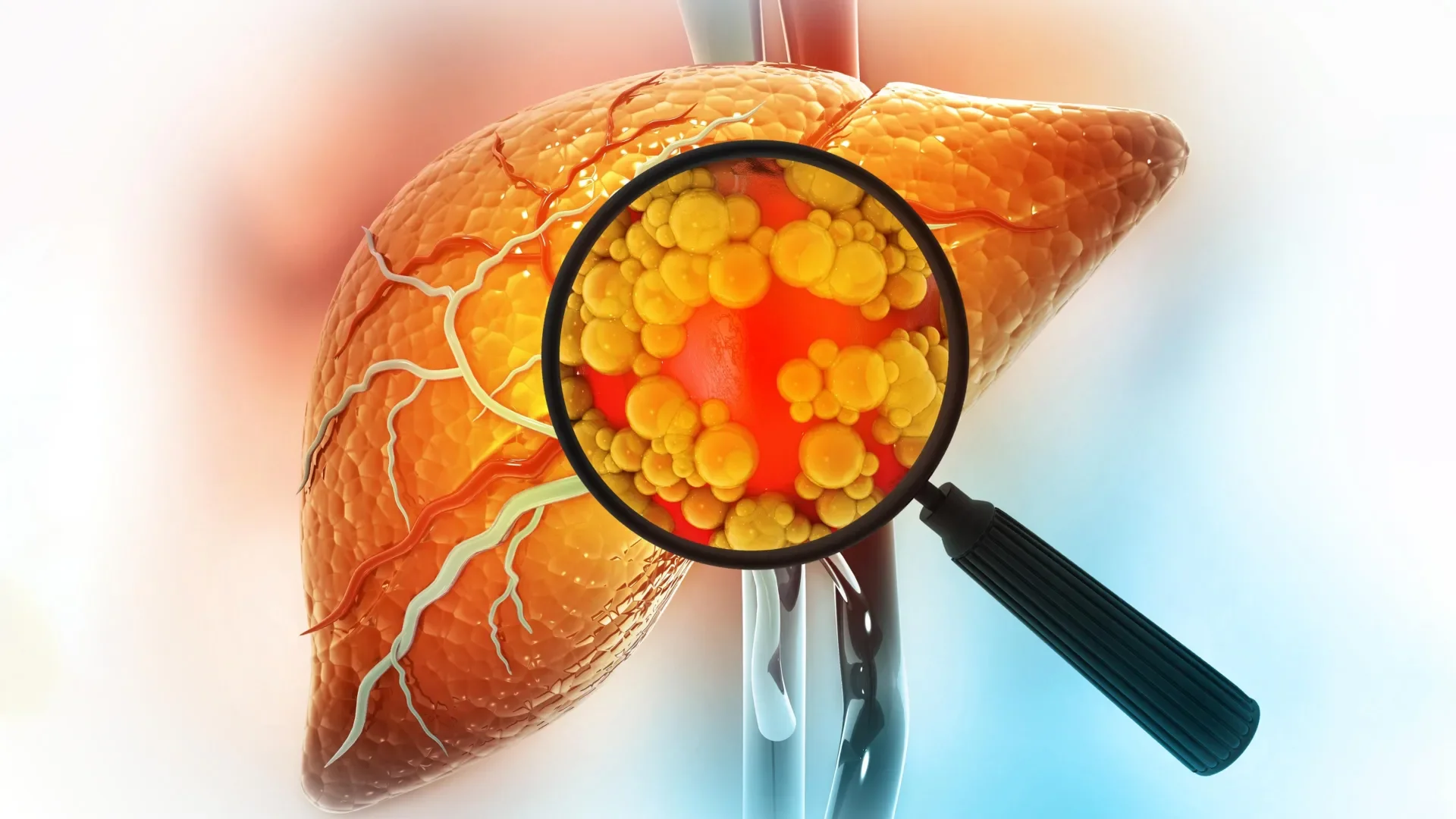
Visualization
Emerging research highlights an intricate nexus between hormonal levels, dietary excess, and metabolic health, particularly concerning the liver. An investigation conducted by a team from Osaka Metropolitan University uncovers a troubling dynamic where low testosterone levels, combined with high-fructose consumption, exacerbate hepatic steatosis, also known as fatty liver disease. This alarming condition afflicts an estimated 40% of adult males globally and is a growing concern in the landscape of metabolic disorders.
Fatty liver disease represents the preliminary stage of metabolic dysfunction-associated steatotic liver disease (MASLD) characterized by the accumulation of excess lipids in hepatic tissues. Conventional factors leading to this condition include obesity, insulin resistance, low testosterone, and the pervasive intake of fructose, especially from sugary beverages and processed foods. However, the interaction between these variables has remained insufficiently elucidated.
To illuminate this relationship, the research team, spearheaded by graduate student Hiroki Takahashi and Associate Professor Naoki Harada, engaged in a systematic examination utilizing eight-week-old male murine models. The cohort was stratified into six distinct experimental groupings, with one subset undergoing castration to induce a testosterone-deficient state while the control group received sham surgeries. The groups were as follows: Sham/Control, Sham/Fructose, Sham/Fructose + Antibiotics, Castration/Control, Castration/Fructose, and Castration/Fructose + Antibiotics.
The researchers meticulously scrutinized serological analyses, liver histology, organic acid concentrations in the cecum, and microbiome profiles. The investigation yielded compelling evidence that mice suffering from testosterone deficiency were predisposed to increased liver mass when exposed to dietary fructose, with the exacerbation in hepatic weight being notably attenuated in those treated with antibiotics.
Separately, low testosterone and excessive fructose consumption resulted in only minor fluctuations in hepatic triglyceride levels. However, the synergistic interaction of these two deleterious factors culminated in a pronounced increase in fat accumulation, delineating a critical threshold beyond isolated dietary or hormonal influences.
Delving deeper into the mechanistic underpinnings, the team observed notable alterations in the microbiota composition and gene expression related to hepatic lipid metabolism. Furthermore, pyruvate levels rose significantly in the cecum of castrated mice fed with fructose, positing that modulations in gut microbiota can catalyze these detrimental metabolic changes.
Remarkably, Takahashi pointed to pyruvate as a pivotal agent in this discourse, elucidating, “Upon examining this mechanism, we found that changes in the gut microbiota led to increased levels of pyruvate within the intestine. Furthermore, experiments using mouse-derived primary hepatocytes revealed that pyruvate acts synergistically with fructose to promote neutral lipid accumulation in hepatocytes.” Such findings not only draw a direct connection between gastrointestinal bacterial changes and liver fat deposition but also emphasize the role of intestinal pyruvate—a key intermediary in energy metabolism—in enhancing lipid accumulation.
The implications of this research are multifaceted, offering potential avenues for preventive strategies against fatty liver disease. By targeting the pathways through which pyruvate influences triglyceride biosynthesis, researchers may soon pave the way for novel pharmacological therapies or dietary interventions aimed at mitigating the effects of hormonal deficiencies and high fructose diets on liver health.
While the current findings are derived from murine studies and isolated hepatocytes, they underscore a significant interplay between endocrine factors, dietary inputs, and gut microbiota in the pathogenesis of liver disease. As the global burden of fatty liver disease continues to rise, these insights could prove invaluable in shaping future therapeutic directions and public health interventions focused on reducing MASLD incidence. The study, encapsulated in the American Journal of Physiology-Endocrinology and Metabolism, heralds a new chapter in understanding the intricate web of metabolic health and disease.