Field: Technology
Lipid Fingerprint of Peanut Consumption Points to Lower Diabetes Risk, Largely Through Body Weight
Published | Technical Staff
Visualization
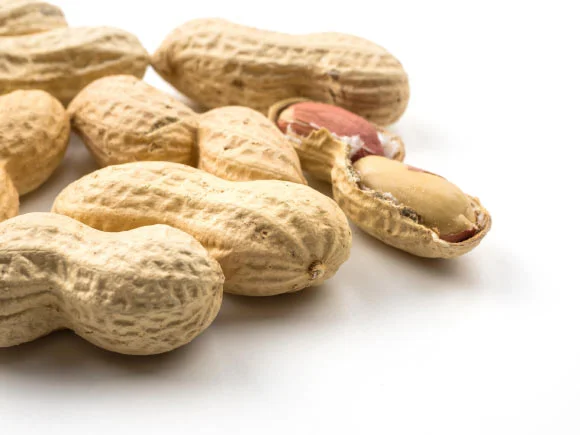
Emerging scientific insights into dietary impacts on metabolic health have shed light on the lipidomic profile associated with peanut consumption and its potential implications for diabetes risk. A recent analysis by Domínguez-López et al. meticulously combined data from the ARISTOTLE trial and the expansive EPIC-Potsdam cohort to forge connections between dietary lipids and their cardiometabolic influences. This nuanced examination suggests that the act of incorporating peanuts into one’s diet may engender a lipid signature indicative of a reduced risk for type 2 diabetes—a finding that predominantly correlates with changes in body mass index (BMI).
Dr. Rosa Lamuela-Raventós from the University of Barcelona spearheaded this investigation, underscoring a desire to characterize the effects of dietary peanuts on the circulating lipidome and subsequently explore associations with cardiovascular disease (CVD) and type 2 diabetes. To this end, their study enlisted 63 healthy young adults from Barcelona, who participated in a rigorously controlled six-month intervention. Participants were allocated to one of three diet groups—consuming either 25 grams of roasted peanuts daily, 32 grams of peanut butter, or 32 grams of an alternative control butter made from peanut oil.
Detailed lipidomic profiling of blood samples unearthed substantial modifications across 51 distinct fatty acid groups, with a particular emphasis on very long-chain saturated fatty acids, a unique category rarely encountered beyond the scope of peanut-derived products. The most significant alterations occurred among sphingolipids, a vital class of lipids that includes ceramides, marking a pivotal shift in the participants’ circulating lipid compositions. These lipid alterations culminated in the development of a peanut lipidomic signature—a quantitative score derivable from blood profiles—concisely encapsulating the impact of peanut ingestion on lipid metabolism.
This lipidomic score was further correlated with data from the EPIC-Potsdam study that monitored a larger demographic over several years, including 774 individuals diagnosed with type 2 diabetes and another 547 who experienced cardiovascular complications. The researchers found that each one-standard-deviation increase in the lipidomic score was linked with an 11% decrement in the likelihood of developing type 2 diabetes. Strikingly, the association did not extend to cardiovascular disease, thus emphasizing the unique metabolic pathways activated through peanut consumption.
Moreover, while the initial link suggested a protective effect against diabetes, much of this relationship diminished when adjusted for BMI, implying that weight management plays a critical role in mediating the observed risk. Despite the need for further exploration into these associations, particularly given the broad confidence intervals, the study posits a hypothesis-generating model that still promotes the notion of peanuts as beneficial constituents within a cardiometabolically advantageous diet.
The cumulative evidence presented by Domínguez-López and colleagues suggests that peanuts, as a dietary source rich in healthy fats, particularly those involving very long-chain saturated fatty acid-containing lipids, may be calibrated not only for their unique lipidomic signature but also for their role in fostering metabolic health and mitigating the incidence of type 2 diabetes. As the authors conclude, the findings reaffirm and elevate the profile of peanuts as integral elements for those looking to embrace dietary fats while promoting glycemic control and overall health.
These revelations have been meticulously documented in their recent publication in The American Journal of Clinical Nutrition, further solidifying the emergent narrative where diet is clearly intertwined with biochemical pathways and chronic disease risk.