Field: Technology
Just 4 minutes a day can dramatically improve strength after 65
Published | Technical Staff
Visualization
In an era where aging populations grapple with declining physical capabilities, a study spearheaded by the Penn State College of Medicine illuminates a path towards maintaining mobility and independence in older adults with just a minimal investment of time. This groundbreaking research demonstrates that a mere four minutes of daily strength training can yield significant enhancements in balance, leg strength, and overall physical function among individuals aged 65 and older. These findings not only challenge long-held beliefs about the requisite duration and intensity of exercise but also provide a practical solution to a pervasive issue: the increased risk of falls and loss of autonomy as we age.
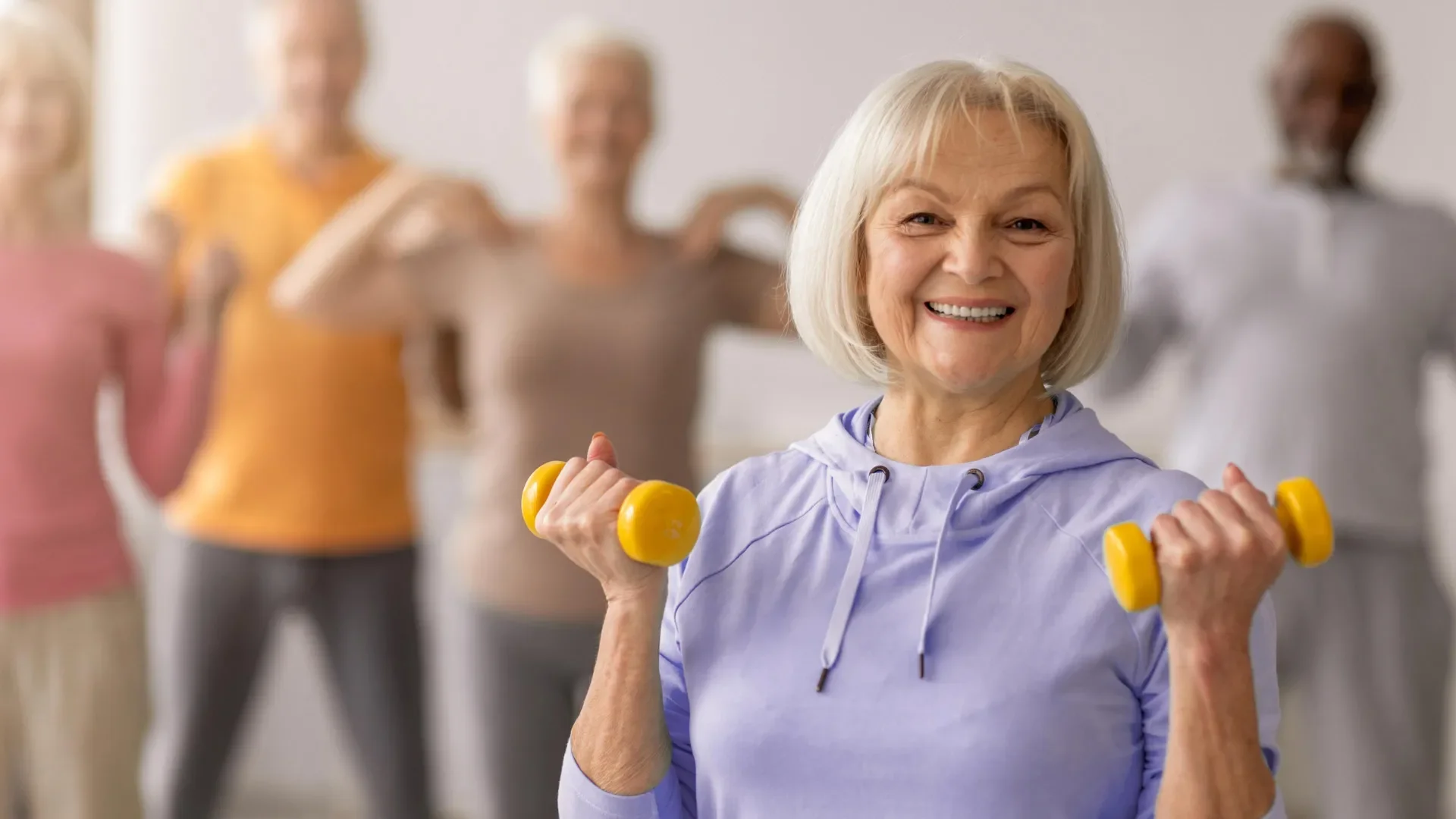
Published in the prestigious journal PLOS One, the study revealed compelling results after a rigorous 12-week intervention involving 97 older adults, with a mean age of 74. Participants engaged in a carefully designed program dubbed FAST-2, comprising four fundamental movements—push-ups, chair stands, two-arm rows, and stair stepping—each performed for a succinct 30 seconds with a follow-up period of rest. Such a structure effectively condensed a traditional strength training regimen into a routine that can be completed in the time it takes to brew a cup of coffee.
The impetus behind this study arose from a concerning statistic: fewer than 20% of older adults adhere to the recommendation of engaging in muscle-strengthening activities at least bi-weekly. For many, perceived barriers such as discomfort, time constraints, and the complexity of exercise planning hinder engagement. As Professor Christopher Sciamanna articulated, "The human body is designed to improve very quickly," suggesting that even modest efforts can catalyze substantial advancements. This perspective offers a refreshing counter-narrative to the prevailing notion that extensive workouts are necessary for strength gains.
To assess the efficacy of their regimen, the researchers employed a variety of practical measures, including the sit-to-stand test and one-leg balance assessment, to capture the nuances of physical function critical for daily living. The data indicated that participants experienced notable improvements—averaging 4.2 additional chair stands within 30 seconds, enhanced balance time by approximately 3.6 seconds, and a reduction of 2.3 seconds in the sit-to-stand task—which collectively foster a greater sense of security in everyday activities.
Underlying the rationale for resistance training is the basic biomechanical principle that muscles adapt to load. When muscles are subjected to resistance, whether through body weight or external force, they respond through hypertrophy and increased neuromuscular efficiency. The FAST-2 program leveraged this concept efficiently, demonstrating that even brief, focused bouts of exercise can align closely with classic strength training outcomes—substantially boosting leg strength and balance, both of which are pivotal for mitigating fall risk.
The methodological framework of FAST-2 greatly reflected inclusiveness; participants were equipped with elastic resistance bands and an adjustable stepper, along with tailored exercise variations suitable for differing ability levels. Such adaptations ensured that the initiative catered to the wide spectrum of physical functionality typical within this demographic. For instance, individuals struggling with push-ups were encouraged to perform inclined variations against a wall, thus accommodating their unique capacities without compromising program integrity.
Critically, the potential for this study to shift societal perspectives on aging-related physical exercise cannot be overstated. Given that unintentional injuries from falls constitute a leading cause of mortality among older populations, these findings substantiate a profound public health precedent. Sciamanna's assertion that the measured improvements in physical tests possess predictive power over future health outcomes reinforces the study's relevance. As evidenced by the metrics captured, the enhancements reflected an increased resilience against debilitating falls and the potential to prolong independent living—a vital aspiration for many in this age group.
Ultimately, the FAST-2 study stands as a testament to the transformative role of consistency over duration in exercise regimens for older adults. It underscores a fundamental truth in human physiology; brief, deliberate efforts can lead to profound changes in physical capability. By dismantling misconceptions surrounding the necessity of lengthy workouts, this research provides a practical framework for empowering older adults to reclaim control over their physical health, thereby enhancing their quality of life. As the world faces an unprecedented demographic shift towards aging populations, such insights will be imperative in shaping effective interventions that support independence and well-being throughout the later stages of life.