Field: Technology
Goodbye, cavities? Scientists create gel that could regrow tooth enamel
Published | Technical Staff
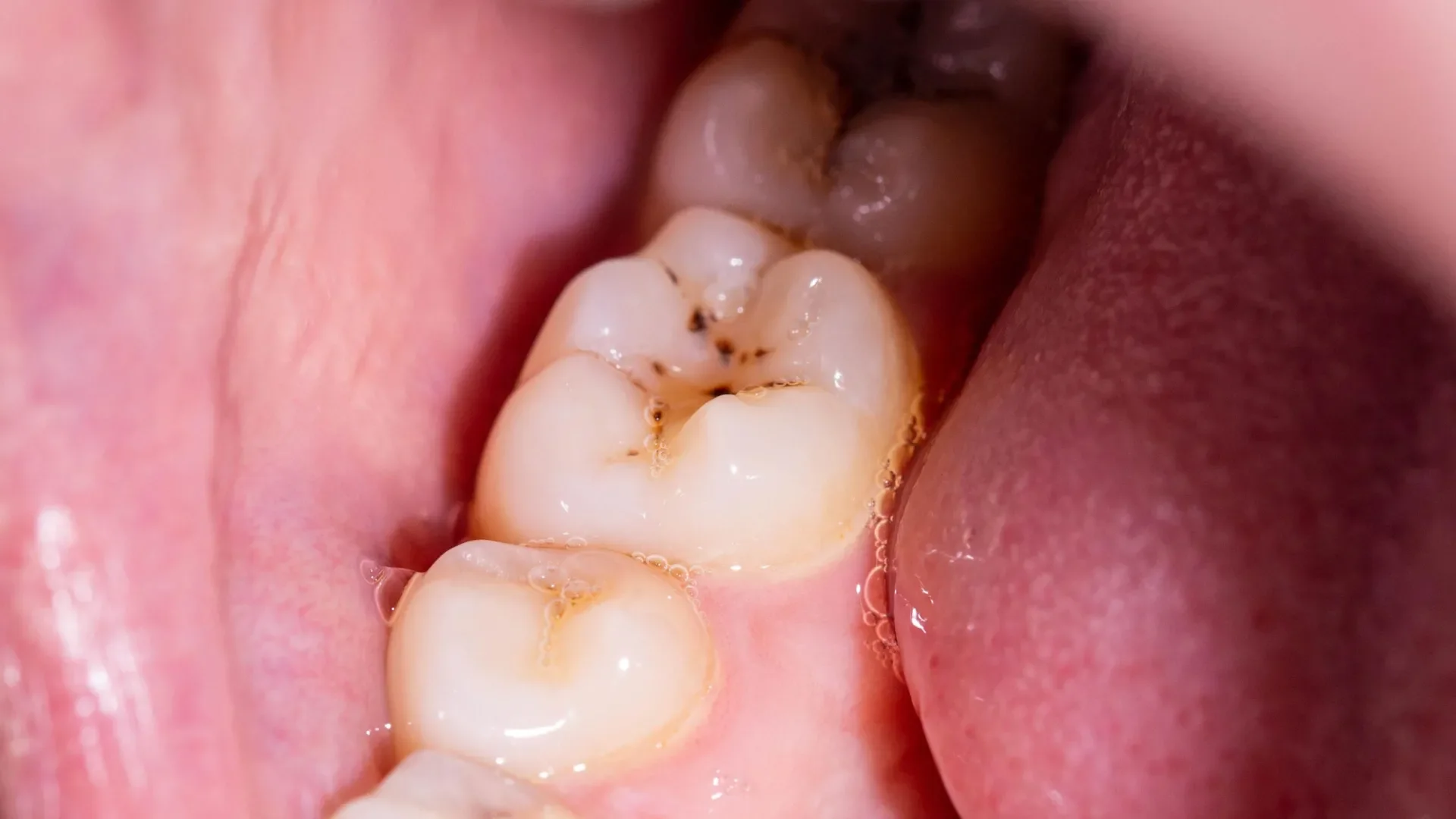
Visualization
In a transformative leap forward for dental science, researchers at the University of Nottingham have unveiled an innovative gel capable of regenerating lost tooth enamel, thereby addressing a significant challenge in restorative dentistry. Traditionally, tooth enamel, the hardest substance in the human body, exhibits no regenerative capability once eroded, leaving patients vulnerable to cavities and sensitivity. By mimicking the formation processes of natural enamel in youth, this new gel stands poised to ameliorate one of dentistry’s most persistent limitations with a solution that integrates seamlessly into existing dental care practices.
At the heart of this breakthrough lies a biomimetic approach, wherein the gel incorporates proteins that emulate the natural peptides involved in the physiological development of enamel. These proteins create a scaffold upon application, forming a robust yet thin coating on the tooth surface that penetrates to fill microscopic fissures and voids, ultimately reconstructing the tooth’s mineral architecture. The resultant material, devoid of fluoride, pivots away from conventional remineralization therapies, allowing for direct integration with the tooth’s composition.
The process of enamel restoration operates through a mechanism termed epitaxial mineralization, in which calcium and phosphate ions, naturally present in saliva, are attracted to the newly applied gel. These mineral ions organize themselves, crystallizing in a systematic manner that aligns with the pre-existing structure of the enamel. This systematic growth enables the gel to replicate the intricate organization that contributes to the exceptional hardness and mechanical resilience of natural enamel, rather than merely layering minerals on the tooth surface.
The importance of this structural integrity cannot be overstated; enamel's toughness stems from the precise arrangement of hydroxyapatite crystals, which when fostered anew can restore both the physical properties and microarchitecture lost to wear. Laboratory assessments conducted by the research team evaluated the new enamel-like material under conditions simulating real-world use, encompassing common dental activities such as chewing and exposure to acidic foods. Impressively, the regenerated enamel exhibited mechanical properties comparable to those of healthy, natural dentine, suggesting its potential as more than an ephemeral shield against cavities.
Furthermore, this pioneering gel also addresses another critical dental concern: the sensitivity associated with exposed dentin. Dentin, which lies beneath tooth enamel and is substantially softer, contains tubules that, when stripped of enamel or subjected to gum recession, can transmit discomfort to the nerve endings within. The gel’s ability to foster the development of an enamel-like layer over exposed dentin could significantly mitigate such sensitivity while enhancing the adhesion of dental restorations, such as fillings and crowns.
The implications of this study extend far beyond mere aesthetics; the deterioration of tooth enamel is a leading contributor to dental caries, affecting nearly half of the global population. Each instance of enamel loss can lead to painful decay, infections, and ultimately tooth loss, linking poor oral health to broader systemic conditions like diabetes and cardiovascular disease. Having the capacity to regenerate enamel could pivotally alter the trajectory of dental health management, transforming how practitioners address erosive damage and sensitivity in patients across all demographics.
Despite existing treatments, which include fluoride varnishes and various remineralization techniques targeting initial mineral loss, a comprehensive solution for fully reconstructed enamel has remained elusive. This new gel, however, offers a promising prospect of developing a substantive mineral matrix that parallels the characteristics of intact enamel.
As researchers continue to validate the long-term efficacy and patient outcomes associated with this gel, stakeholders in dental medicine are hopeful for a paradigm shift in preventative and restorative care. Dr. Abshar Hasan, the study’s lead author and a postdoctoral researcher at the University, emphasizes the remarkable equivalency of regenerated material to natural enamel under simulated everyday conditions. Moreover, Professor Alvaro Mata, Chair in Biomedical Engineering & Biomaterials, highlights the pragmatic design of the gel, tailored for clinical application and ease of use. This versatility potentially positions the gel as a new standard in dental products aimed at patients experiencing various forms of enamel erosion or dental sensitivity.
As the scientific community eagerly anticipates further developments, the emergence of this gel could mark a new era in oral health—where prevention, regeneration, and restoration converge to redefine the landscape of dental care, leading us to a future with fewer cavities and enhanced oral health for countless individuals.