Field: Technology
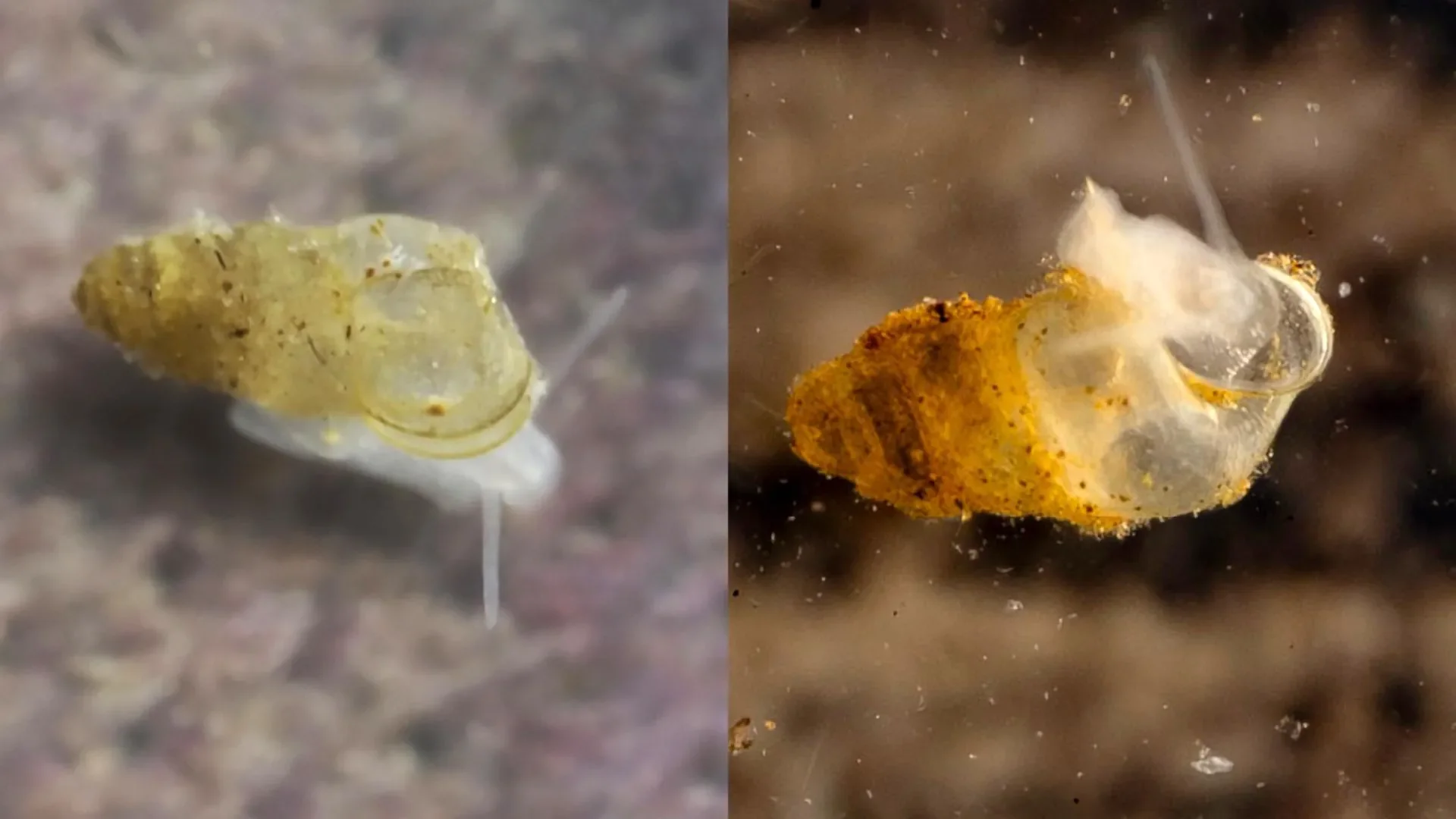
Ghostly, eyeless creature hidden in Chinese cave
Published | Technical Staff
Visualization
In a remarkable exploration into the subterranean realms of East Asia, researchers have unveiled an extraordinary new species of freshwater cave snail from a high-altitude limestone cave in China. This elusive creature, known as Erhaia dijiang, draws its nomenclature from the mythical "Di Jiang," a faceless deity from ancient Chinese texts, aptly reflecting its enigmatic nature and specialization for dark environments. The discovery was recently published in the journal Subterranean Biology, representing a significant stride towards understanding the biodiversity present in China's largely overlooked underground aquatic ecosystems.
The snail, which resides at an elevation of 2,062 meters above sea level, is particularly notable not only for its habitat—a remarkable backdrop for aquatic life—but also for the physiological adaptations it has undergone. E. dijiang bears no eyes; instead, it features an almost ethereal, cone-shaped shell composed predominantly of chitin, which possesses a translucent quality. This shell is accompanied by an unpigmented, delicate body and elongated tentacles, adaptations that facilitate survival in total darkness. Testing in laboratory conditions revealed a profound sensitivity to light, with individuals instinctively retreating to the shadowy recesses of the cave substrate under illumination.
Capturing the essence of life in extreme environments, E. dijiang resides amidst submerged gravel and fractured rock formations in water measuring less than one meter in depth. The ecological conditions of this cave—a relatively stable temperature averaging around 20°C—foster an environment conducive to its survival. Notably, during intense seasonal rains, the flows occasionally displace some snails, yet remarkably, none have been documented in adjacent aquatic environments, indicating a strong affinity for their confined cave habitat. Field observations noted that these snails remain within a limited spatial range of two meters from the cave's entrance.
Trophic analysis sheds light on the dietary habits of these mollusks, revealing a reliance on diatoms—microscopic algae that populate the cave's rocky surfaces—as well as supplemental nourishment derived from commercial fish food provided during research experiments. The unique feeding behavior underscores the interconnectedness of this cave ecosystem, indicating a specialized niche occupied by E. dijiang.
Despite the ecological importance of this discovery, researchers express grave concerns regarding the future of this newfound species. During initial field investigations in August 2025, an exhaustive search yielded only three live specimens along with a solitary empty shell. The absence of juvenile organisms suggests that the known population is alarmingly sparse. The conservation outlook for E. dijiang is considered dire due to its extremely limited range, exacerbated by potential threats from environmental changes and human activities. Scientists strongly advocate for more extensive exploration of China's subterranean habitats to uncover further species and promote effective conservation practices tailored to protect these delicate ecosystems.
The emergence of E. dijiang as a focal point for biodiversity draws a vivid picture of life thriving in isolation, evolution, and survival under the oppressive shadows of darkness. As researchers continue to delve into the mysteries of cave-dwelling organisms, the story of this ghostly snail may serve as a sentinel for our understanding of subterranean biodiversity and the conservation challenges that accompany it.