Field: Technology
Five-inch-long beetle larvae are quietly destroying blueberry roots
Published | Technical Staff
Visualization
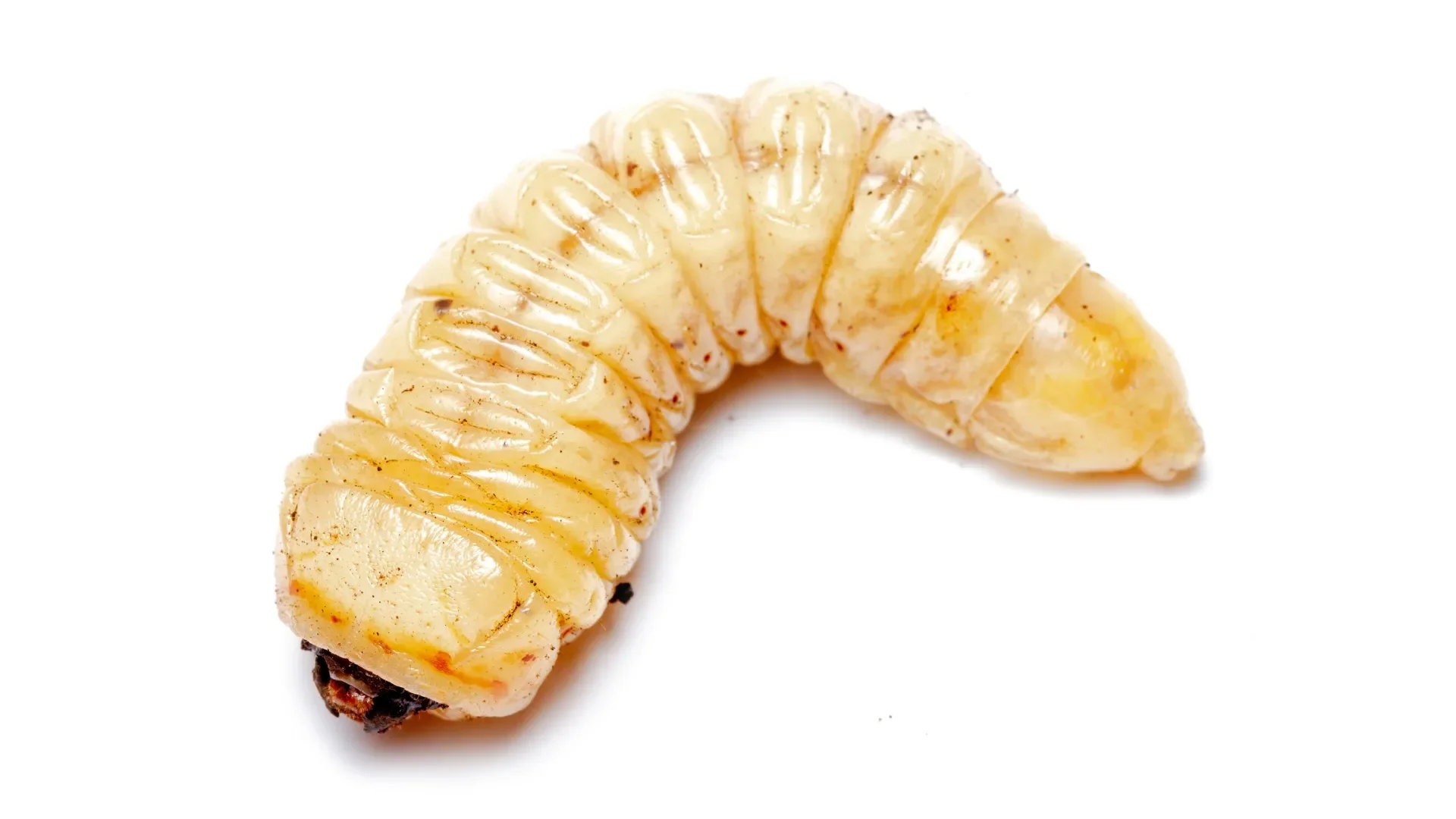
Blueberry cultivation in North Carolina, a significant economic driver for the state's agricultural landscape, is under siege from a previously enigmatic adversary: the larvae of the Prionus imbricornis beetle. These colossal larvae can reach lengths of up to five inches, wreaking havoc on the roots of blueberry bushes and posing a formidable threat to crop yield and sustainability. This recent discovery, propelled by innovative genetic identification techniques, offers a critical first step towards devising effective management strategies against this pest.
Historically, farmers had reported root damage attributable to unidentified larvae for over a decade, with the phenomenon reaching a turning point in the last few years. The research team from North Carolina State University, led by Kenneth Geisert, a graduate student in the College of Agriculture and Life Sciences, has provided clarity to this dilemma through rigorous fieldwork and cutting-edge DNA analysis. Traditionally, distinguishing between various species of the longhorn beetle is a Herculean task due to the visual similarities across different life stages, complicated further by the subterranean lifestyle of the larvae.
The longhorn beetle, identifiable by its elongated antennae that often surpass the body length, primarily lays its eggs in the soil around hardwood trees. Upon hatching, the larvae gravitate toward the roots of nearby plants, initiating a destructive feeding behavior that can lead to the demise of the host tree or shrub. Given this behavior, it's imperative for researchers to ascertain not just the identity of the pest but also its ecological interactions and lifecycle.
From 2010 onwards, reports detailing damage from unidentified larvae surfaced with alarming regularity, but the species remained shrouded in mystery. Initial hypotheses based on adult beetle identification often led investigators astray; larvae of different longhorn beetle species can exhibit misleading morphological similarities. "Assumptions based on adult forms can lead to inappropriate treatment strategies, where treatment methods targeted at one species do not match the dynamics of another," Geisert explained.
To tackle the intricacies surrounding the identification of the culprit beetles, the team deployed a sophisticated methodology involving black panel traps baited with sex pheromones that lure adult beetles to the surface. This method not only attracted the adults of Prionus imbricornis but also set the stage for genetic barcoding—a technique that analyses short, standardized segments of DNA, allowing for comparisons with known reference sequences. The researchers successfully mapped genetic traces from the larvae to adult forms, yielding a startlingly high match rate of 98 to 99 percent for P. imbricornus.
While this breakthrough elucidates the responsible species, it simultaneously highlights a significant management challenge for blueberry growers. As Lorena Lopez, an assistant extension professor and co-author of the study, remarked, "While it is crucial to identify the species involved, it is alarming to discover that North Carolina has been the first state to report P. imbricornus infestations specifically in blueberries—and yet, there are currently no approved insecticides targeting this pest in this crop." This gap creates an immediate need for actionable pest management strategies.
Lopez is at the forefront of ongoing investigations to evaluate insecticide efficacy against larvae of Prionus imbricornus. A pivotal aspect of her research centers on synchronizing treatment applications with the reproductive cycles of the beetles, a strategic pivot that could significantly inhibit larval development and minimize root damage prior to outbreak escalation.
The urgency of addressing this emerging threat cannot be overstated. As the implications ripple outwards, threatening not only individual farms but also the broader agricultural ecosystem, farmers stand to gain invaluable insights from tailored pest management practices stemming from these new research findings. The publication of these results in the Journal of Integrated Pest Management marks a notable milestone in blueberry cultivation support and pest management discourse.
With the cooperation of research institutions, extension experts, and the agricultural community, the identification of Prionus imbricornis serves as a clarion call for proactive measures against one of the agricultural sector's most escalating threats—a testament to the power of interdisciplinary research and genetic science in tackling ecological challenges in crop production.